
Unpatti partners with Dutch firm to study integrated waste management in Maluku
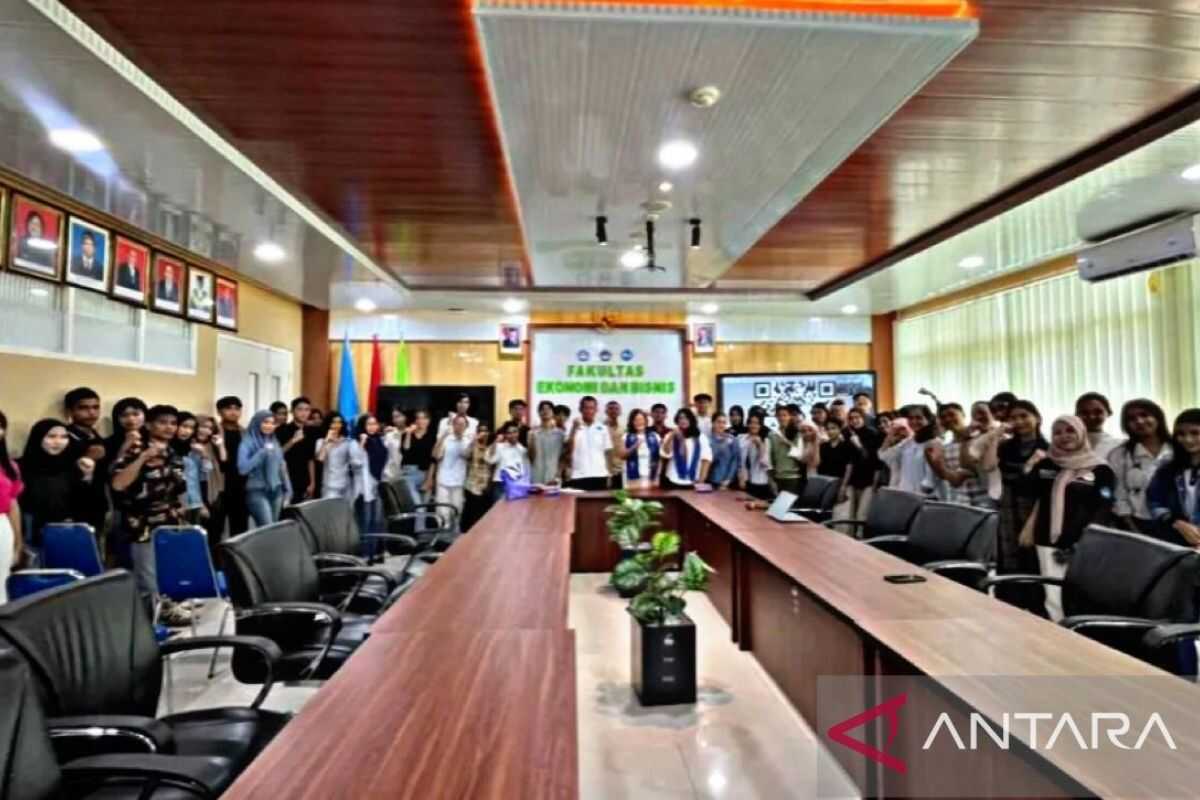
Ambon — Pattimura University (Unpatti) has partnered with Dutch company Happy Grand Island (HGI) to conduct a study on integrated waste management in Maluku as a strategic step to promote a circular and sustainable economy-based system in the region.
Unpatti Rector Prof Freddy Leiwakabessy said in Ambon on Wednesday that the collaboration represented the university’s commitment to providing scientific solutions to regional problems.
“Unpatti has an academic responsibility to ensure that every policy and development project in the region is supported by comprehensive scientific study. This cooperation is a concrete step to ensure that waste management in Maluku is data-driven, measurable, and sustainable,” he said.
He noted that the involvement of Unpatti’s Faculty of Economics and Business (FEB) in preparing the feasibility study is expected to produce an adaptive waste management business model suited to the characteristics of an archipelagic region like Maluku.
The cooperation began with a seminar themed “Waste Management Practices and Economic Value Prospects of Waste in the Future” held at FEB Unpatti’s auditorium in Ambon. The seminar addressed fundamental waste management issues and explored the economic potential of sustainable waste processing.
The collaboration also opens opportunities for FEB Unpatti students to participate through internship and fieldwork learning programmes. Student involvement is expected to enrich practical experience whilst producing applied research that answers real regional needs.
Meanwhile, HGI Director Kees Lafeber said the feasibility study was an important foundation before launching waste management projects on a broader scale.
“This feasibility study is important as a basis for investment decision-making and detailed technical planning ahead,” he said.
He explained that research conducted by FEB Unpatti would assess the viability of developing facilities such as Integrated Waste Processing Sites (TPST), Reduce, Reuse, Recycle Waste Processing Sites (TPS3R), and waste banks. Assessment would cover technical, financial, environmental, and social aspects to ensure that projects implemented are truly applicable and sustainable.
Kees, who has worked in Maluku for 11 years, particularly on Saparua Island, noted that the waste management model applied by HGI in that region showed positive results. The system based on sorting and integrated processing was found capable of reducing waste accumulation whilst creating added economic value for local communities.
He hoped a similar approach could be replicated in Ambon City and expanded at provincial scale. However, he emphasised that developing waste processing industries, particularly for plastics, requires adequate raw material volume to attract investors.
“To build a plastic waste processing industry in Ambon, a large volume is needed to attract investors to develop waste management industries. Therefore, community awareness is needed to change the culture and habits of sorting and collecting plastic waste that can be packaged,” he said.