
Unlike in Indonesia: In Countries Where Eid al-Fitr is Quiet, Eid al-Adha is Vibrant
Jakarta, CNBC Indonesia - Celebrations of major Islamic holidays are not always felt the same in every country. Although Eid al-Fitr and Eid al-Adha are equally important, local social, economic, and cultural dynamics can make one of them feel far more dominant.
Globally, there is an interesting pattern where countries with high consumption and mobility cultures tend to make Eid al-Fitr more vibrant, while regions with qurban traditions and closeness to Hajj worship highlight Eid al-Adha more prominently.
Areas such as Southeast Asia (Indonesia, Malaysia, Brunei, Singapore), South Asia (Pakistan, Bangladesh, Muslim India), as well as Turkey and parts of the Balkans, show a strong dominance of Eid al-Fitr.
In these regions, Lebaran is not just a religious celebration, but also the biggest social and economic phenomenon of the year.
Traditions such as mass homecoming, large-scale shopping, and family reunions make Eid al-Fitr the peak of societal activities. Its impact is even felt in sectors like transportation, retail, and banking.
Eid al-Fitr in these countries is a “social festival” on a national scale.
In contrast to Asia, in the Middle East (especially Saudi Arabia and Gulf countries) as well as North and West Africa (Morocco, Nigeria, Senegal, Mali), Eid al-Adha feels more prominent.
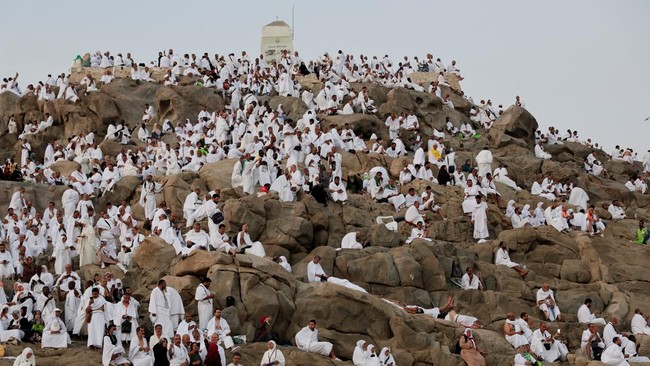
In Saudi Arabia, Eid al-Adha becomes the peak of Hajj worship, which brings millions of pilgrims from around the world. This scale makes it the largest global religious celebration.
Meanwhile, in Africa, Eid al-Adha has developed into a combination of worship and culture. In Nigeria, for example, the Durbar festival with massive horse parades becomes the main attraction not found during Eid al-Fitr.
The main characteristic of these regions is making qurban worship the centre of activities, with long holidays and public celebrations, and a close connection to Hajj rituals.
In several countries like Egypt, Jordan, Iraq, as well as Ethiopia and Kenya, both celebrations have a relatively balanced share.
Eid al-Fitr remains a social momentum, while Eid al-Adha stands out as a strong religious ritual through qurban.
Why the Differences?
These differences do not occur by chance. There are three main factors:
- Hajj Factor
Regions close to the Hajj centre, like Saudi Arabia, naturally make Eid al-Adha the peak celebration.
- Qurban Tradition
In Africa and the Middle East, qurban is not just worship, but also a major social activity involving wide communities.
- Economic and Cultural Factors
In Asia, Eid al-Fitr becomes the biggest consumption momentum—from transportation, food, to clothing—which strengthens its position as the main celebration.
What About in Saudi Arabia?
Eid al-Fitr celebrations in various countries have different characteristics, including between Indonesia and Saudi Arabia.
If in Indonesia Lebaran is synonymous with mass homecoming to traditions like halal bihalal that last for days, in Saudi Arabia the atmosphere of Eid al-Fitr tends to be simpler and not as vibrant.
Several cultural factors to religious priorities make the way people celebrate Eid al-Fitr in Saudi Arabia have its own nuance compared to other Muslim countries.
One of the main factors is the position of Eid al-Adha, which is considered to have greater social and spiritual weight in Saudi Arabia. This is closely related to the performance of Hajj worship centred in Mecca, which also becomes the peak of Eid al-Adha celebrations.
Because of the direct connection to one of the pillars of Islam, Eid al-Adha has a much stronger impression in Saudi Arabia. This momentum becomes a religious celebration as well as a major event that attracts the attention of Muslims from around the world.
Although not as vibrant as in Indonesia, Eid al-Fitr in Saudi Arabia is still celebrated with various traditions. The celebration begins with congregational Eid prayer, then continues with gathering activities with family, especially in the homes of older family members.
Children usually receive eidiya or Eid money gifts, which is similar to the THR tradition in Indonesia. In some cities, celebrations are also enlivened with entertainment events such as performances, festivals, and fireworks parties.
However, in general, Eid al-Fitr celebrations in Saudi Arabia are more focused on worship and core family togetherness. This differs from Indonesia, where Lebaran has developed into a large-scale social celebration through homecoming traditions, open house, and cross-regional reunions.
What About Iran?
In Iran, the dynamics of religious and cultural celebrations show a different pattern compared to the majority of Muslim countries. Ashura becomes the biggest religious celebration.
As a country with a majority Shia Muslim population, Iran makes Ashura the most important religious momentum. This celebration commemorates the death of Imam Husain in the tragedy of Karbala—a central event in Shia history.
Ashura is celebrated for about 10 days in the month of Muharram, with the participation of millions of people across the country.
Its main features include mass mourning processions with black clothing, “matam” rituals as collective expressions of sorrow, Taziyeh performances, religious dramas about Karbala, and the distribution of free food (nazri) to the community.
Different from many Sunni countries, Ashura in Iran has a social and emotional scale that far surpasses Eid al-Fitr or Eid al-Adha.