
Unhas students develop bioplastic solution for nappy waste
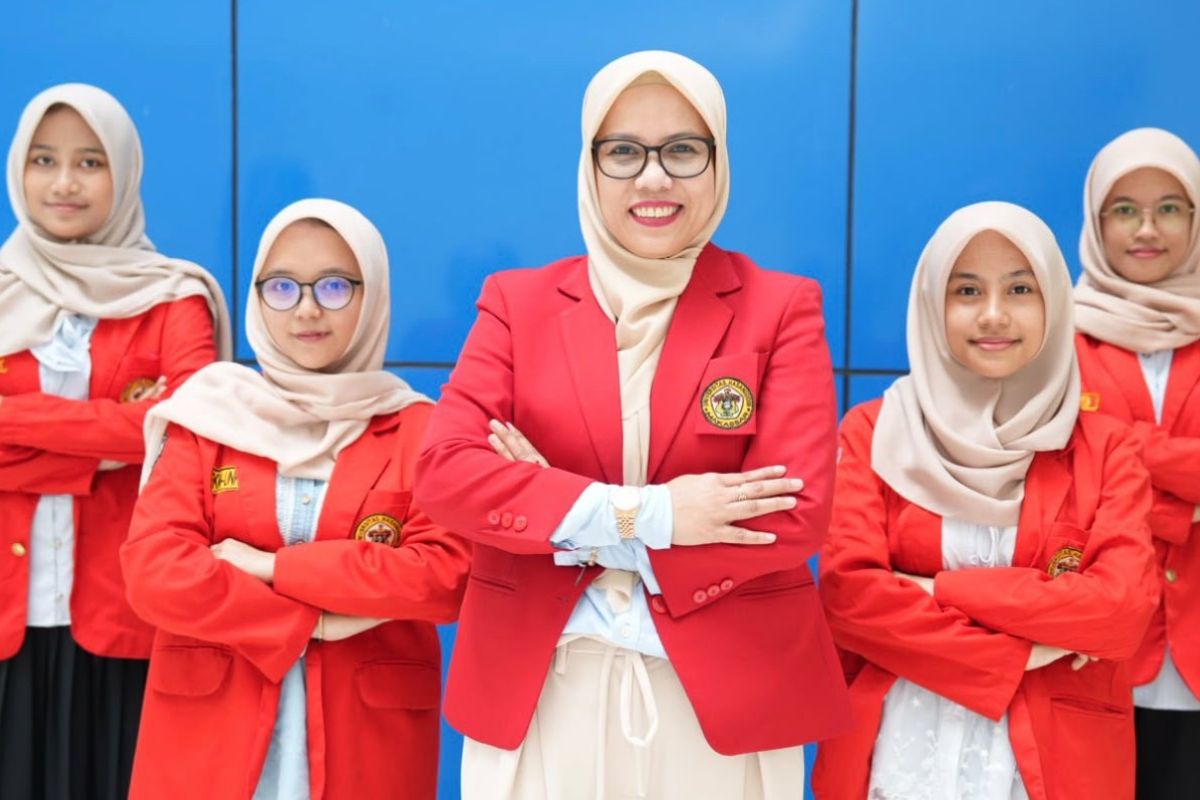
A Student Entrepreneurship Creativity Programme (PKM-K) team from Hasanuddin University (Unhas) has developed PLASTERA (Plastic Decomposer Era), a biocomposite-based nappy waste bag intended as a solution to nappy waste that is difficult to decompose.
Team leader Andi Aliyah Tenri Awaru, speaking in Makassar on Sunday, explained that the innovation was born from a real need in society, offering a solution to a problem the public is barely aware of. She stressed that greater anticipation is needed in nappy waste management to reduce its negative impact on the environment.
“Scientifically, we utilise the characteristics of several biomaterials. Starch extracted from cassava peel serves as the main component in forming a bioplastic that decomposes more easily than petroleum-based plastic,” she said.
The innovation makes use of organic waste in the form of cassava peel and eggshells, enriched with eco-enzymes to support the biodegradation process.
Beyond its environmental aspect, PLASTERA is also designed to meet users’ practical needs. The bag comes with an adhesive so that nappy waste can be sealed more tightly, helping to reduce unpleasant odours, and features a compact design that makes it easy to carry while travelling.
Nevertheless, the researchers emphasise that material innovation is only one part of the solution. To broaden its use, the Unhas PKM-K team plans to introduce PLASTERA through social media, marketplaces, bazaars and various student entrepreneurship exhibitions.
Public education on the importance of nappy waste management will also form part of the product’s development.
The development of PLASTERA demonstrates the many ways students can put forward critical ideas. With concern and sensitivity to future threats, students can make a tangible contribution.
Indonesia generates around 7.8–9.2 million tonnes of plastic waste each year, most of which remains poorly managed, with the potential to pollute the environment, particularly rivers and the sea.
Amid the rising volume of disposable nappy waste, biomaterial innovations such as this serve as a reminder that solving the waste problem requires a combination of technology, education and behavioural change in society.
The Unhas Student Entrepreneurship Creativity Programme team comprises Andi Aliyah Tenri Awaru (Faculty of Marine Sciences and Fisheries), Fashila Aulia (Faculty of Economics and Business), Putri Naila Az-Zahra Yusri (Faculty of Health Sciences) and Nabila Zahirah Putri Amri (Faculty of Engineering).