
UNESCO Designates 12 New Global Geoparks for 2026, Five in Asia
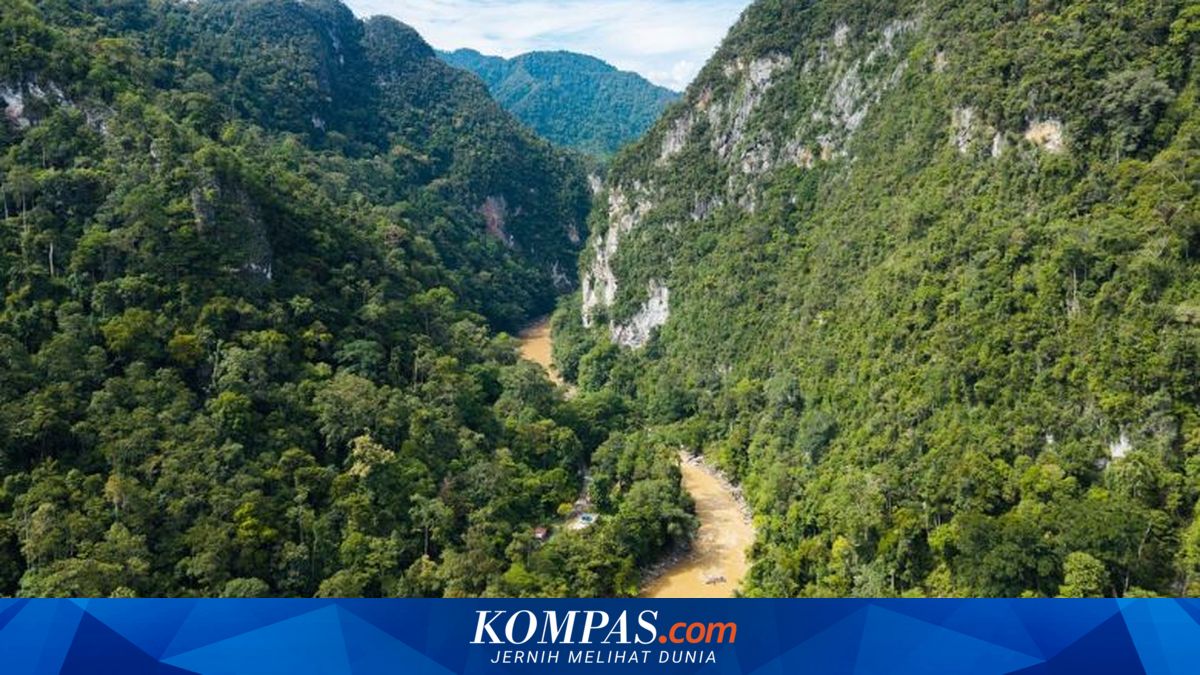
Interesting news has emerged from the world of tourism and natural conservation. The United Nations Educational, Scientific and Cultural Organization (UNESCO) has officially designated 12 new Global Geoparks for 2026. According to Timeout, five of these sites are located in Asia, strengthening the continent’s position as home to some of the world’s most unique and geologically significant landscapes.
This latest designation not only highlights natural beauty but also emphasises the importance of protecting geological heritage, environmental education, and sustainable development for local communities living around the geoparks. Unlike UNESCO World Heritage Sites, which focus more on cultural or historical value, geoparks emphasise geological heritage and community involvement in management.
UNESCO states that as of 2026, the Global Geopark network now includes 241 sites across 51 countries, covering a total area of over 882,000 square kilometres. These areas are selected for their unique geological characteristics combined with high cultural and ecological value.
Changshan Geopark offers a subtropical mountain landscape rich in geological diversity. The area is known for its mountainous terrain formed over millions of years through geological processes, serving as a vital natural laboratory for earth science research.
One of the most spectacular new geoparks is China’s Siguniang Mountain. The area is renowned for its dramatic glacial landforms and vertical climate zones varying with altitude. Its majestic snow-capped peaks make it a popular destination for hikers and nature enthusiasts.
Malaysia stands out this year with two new geoparks. The Lenggong UNESCO Global Geopark in Perak state is celebrated for its exceptional archaeological value. The area includes the Lenggong Valley, previously listed as a UNESCO World Heritage Site, where ancient human artefacts, burial sites, and traces of human activity spanning nearly two million years have been discovered. The region also contains evidence of ancient volcanic activity and a meteorite impact around 1.8 million years ago.
UNESCO explains that this area lies at the convergence of two ancient landmasses formed over 200 million years ago. In addition to its rich geological heritage, the Sarawak Delta is known for its diverse local culture and the city of Kuching, which holds UNESCO Creative City of Gastronomy status.