
Unequal Digital Royalties, Indonesia Pushes for Global Rules in ASEAN
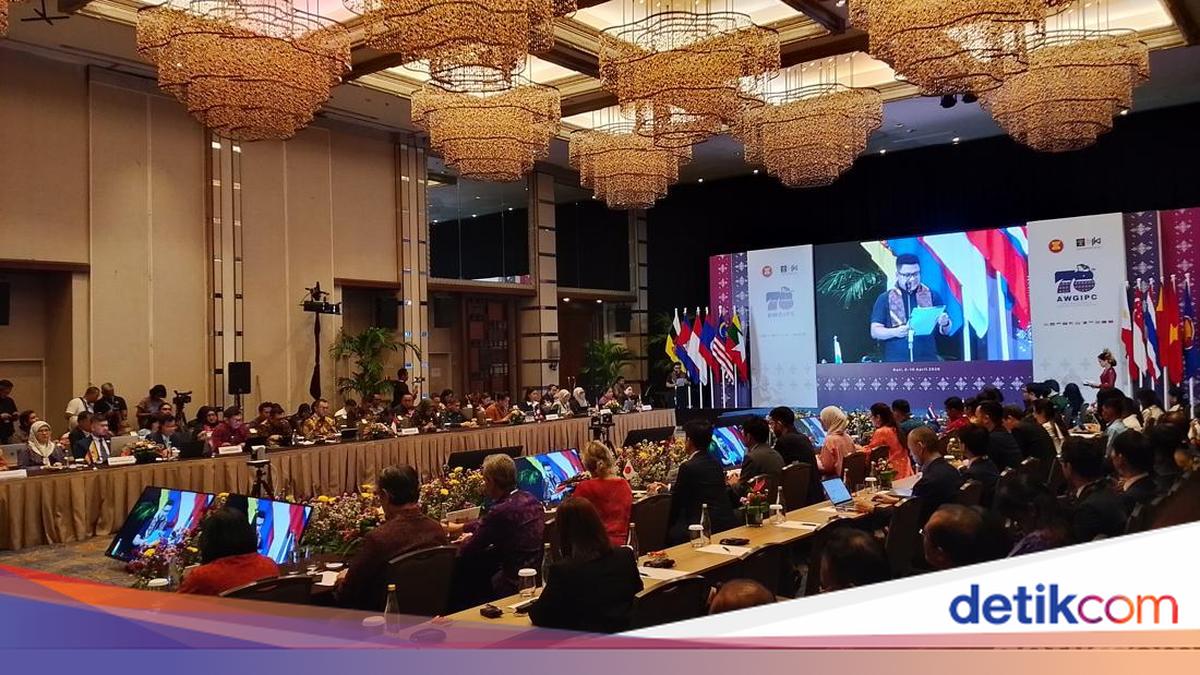
Indonesia is urging the establishment of global rules on digital royalties amid the proliferation of imbalances in distribution that disadvantage creators, during the 78th ASEAN Working Group on Intellectual Property Cooperation (AWGIPC) meeting in Bali from 6 to 10 April 2026.
This proposal is deemed crucial to address the transparency issues that remain the primary grievance of creators in the digital era. The push comes alongside the increasing flow of cross-border content, which is not yet matched by a fair and transparent copyright protection system, particularly for developing countries.
The Director General of Intellectual Property at the Ministry of Law and Human Rights, Yasmon, emphasised that digital royalty issues have now become an urgent challenge in the region.
“A more transparent and accountable system is needed so that creators receive their rights fairly,” he stated at the forum’s opening on Monday (6/4/2026).
According to him, the AWGIPC forum presents a strategic opportunity for ASEAN countries not only to align policies but also to strengthen the region’s bargaining position in facing the dynamics of the global digital economy.
In addition to royalties, the meeting highlighted the need for harmonisation of intellectual property standards, from patents and trademarks to industrial designs, to create a more competitive and integrated innovation ecosystem in Southeast Asia.
During the forum, ASEAN also launched the ASEAN Patent Examination Cooperation Plus (ASPEC+), a patent examination cooperation scheme aimed at accelerating the process and improving the quality of examinations among member countries.
Indonesia is also promoting the implementation of the ASEAN IP Action Plan 2030, focusing on strengthening intellectual property services, support for SMEs and the creative industry, as well as enhancing human resource capacity in that sector.
On the other hand, Indonesia is using this forum to showcase intellectual property-based products, including Bali’s geographical indications and SME products, as an effort to strengthen the position of the creative economy in the global market.
Yasmon emphasised that this meeting is not just a routine forum, but a concrete step to build an intellectual property ecosystem capable of addressing digital challenges.
“ASEAN must be able to become a region that is not only a market but also a global innovation centre,” he asserted.