
UNDP Study: Iran War Could Erode Arab Economies by Up to £3,000 Trillion
Military escalation between the United States-Israel and Iran, now entering its fifth week, is predicted to trigger severe economic shocks in the Middle East region.
The latest study from the United Nations Development Programme (UNDP) reveals that the Arab region could lose economic growth worth US$120 billion to US$194 billion (approximately Rp1,900 trillion to Rp3,076 trillion).
The report titled “Military Escalation in the Middle East: Economic and Social Implications for the Arab States region”, released on Tuesday (31/3), outlines concerning realities regarding the region’s structural vulnerabilities. These disruptions are estimated to cut 3.7% to 6% from the total collective Gross Domestic Product (GDP) of Arab countries.
“A short military escalation in the Middle East could produce profound and widespread socioeconomic impacts across the Arab States region,” it states.
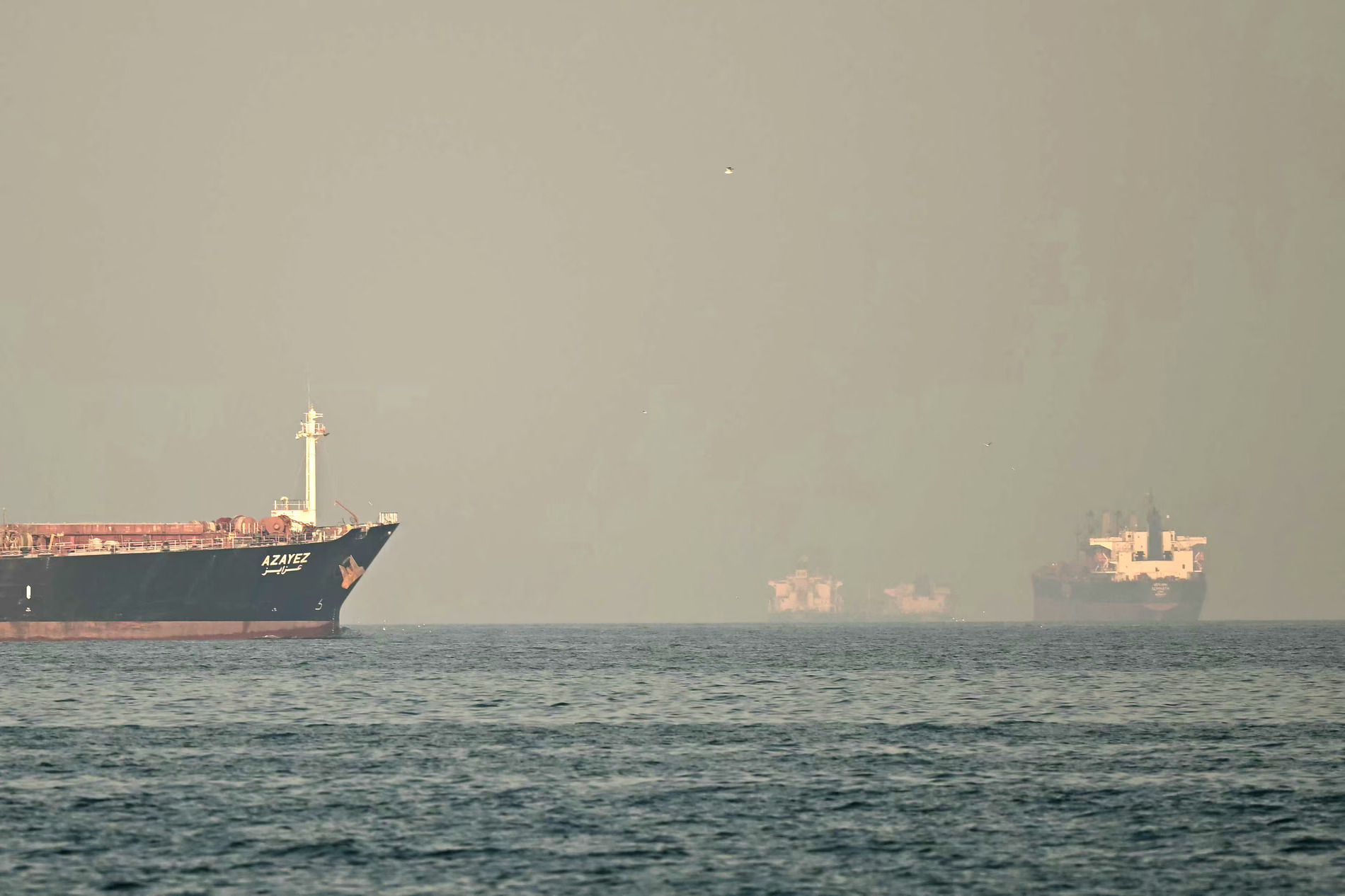
“Since the escalation began, maritime security risks and attacks on tanker ships have sharply reduced shipping activity through the Strait of Hormuz,” the study notes.
The social impacts of this crisis are predicted to be massive. UNDP estimates an increase in unemployment rates by up to 4 percentage points, equivalent to the loss of 3.6 million jobs. This figure exceeds the total jobs created across the region in 2025.
This situation is expected to push an additional 4 million people into poverty. The Levant region (Iraq, Lebanon, Jordan, and Syria) is the most vulnerable, with projections of a GDP decline of up to 8.7% and a setback in human development progress (HDI) by one to one and a half years.
The study also highlights the paralysis of shipping activities in the Strait of Hormuz, the world’s energy lifeline. Maritime security risks and attacks on tanker ships have pressured global energy markets. UNDP warns that even the smallest incident in the strait could instantly destabilise global markets and trigger sharp price surges.
To counter inflationary pressures and exchange rate fluctuations, central banks in the region will likely need to aggressively raise interest rates and intervene in currency markets to maintain banking liquidity amid prolonged uncertainty.