
Undeterred by Trump, Iran Tightens Closure of Strait of Hormuz
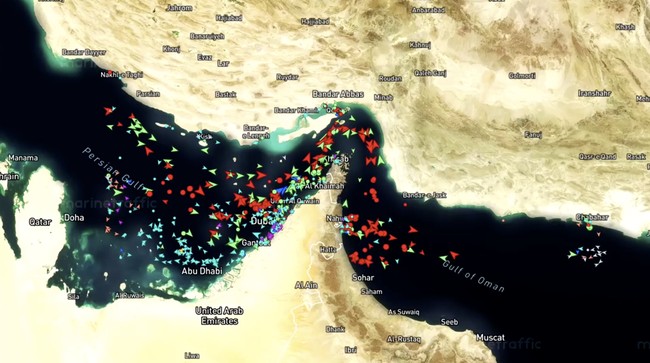
Iran has once again affirmed its threat to restrict vessels transiting the Strait of Hormuz while the United States maintains its blockade on Iranian ports. The statement comes as mediators seek to extend the ceasefire scheduled to end on Wednesday. The mutual blockades between the two sides are seen as complicating mediation efforts led by Pakistan, while raising questions about whether the two-week ceasefire can be extended. “It is impossible for other parties to pass through the Strait of Hormuz while we cannot,” said Iran’s Parliament Speaker Mohammed Bagher Qalibaf in an interview broadcast on state television on Saturday night, as quoted from AP News on Sunday (19/4/2026). Qalibaf, who is also Iran’s chief negotiator in talks with the United States, described the US blockade as a “naive decision born of ignorance.” Nevertheless, he emphasised that Iran is still pursuing peace amid deep distrust towards Washington. He also acknowledged that the negotiation process still faces major obstacles. “The differences in positions remain very wide, and several fundamental issues have yet to be resolved,” he stated. Iran had previously announced the reopening of the Strait of Hormuz after a 10-day ceasefire between Israel and the Iran-backed militant group Hezbollah in Lebanon took effect. However, after US President Donald Trump stated that the US blockade of Iranian ports would remain in place until Tehran reaches an agreement with the United States, Iran said it would continue to impose restrictions on the strait. Following an attempted passage on Saturday, several ships in the Persian Gulf have again chosen to remain in their positions. They are on alert after two Indian-flagged vessels were fired upon while transiting and forced to turn back. The retreat of these ships has returned the Strait of Hormuz to the pre-ceasefire condition, when maritime traffic was disrupted. This route typically handles around 20% of the world’s oil trade, so the latest situation risks deepening the global energy crisis. Amid the countdown to the end of the ceasefire between the US and Iran, Tehran stated on Saturday that it has received a new proposal from Washington. Meanwhile, mediators from Pakistan are reportedly working to facilitate a new round of direct negotiations between the two countries.