
Understanding the Strait of Hormuz: Location, History and Its Economic Strategic Importance
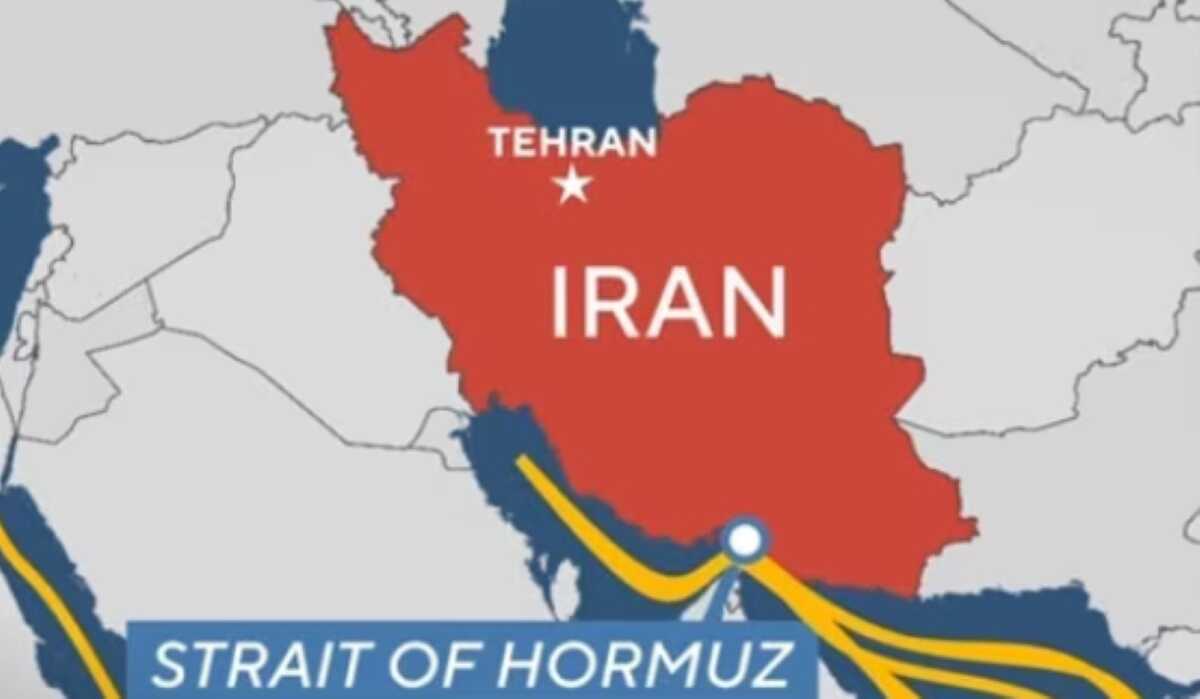
Strait of Hormuz is often dubbed the nerve centre of the world’s energy. This slender waterway connects Gulf producers in the Middle East with global markets; its stability is a key determinant of the economic pulse for many countries, including Indonesia.
In March 2026 amid geopolitical tensions, understanding its position and strategic value is more crucial than ever. Moreover, Iran’s closure of the Strait and threats to attack vessels passing through it have raised the stakes.
Geographically, the Strait of Hormuz is a narrow waterway separating Iran to the north from Oman (the Musandam Peninsula) and the United Arab Emirates to the south. The strait is the only outlet from the Persian Gulf to the Gulf of Oman, which connects to the Indian Ocean.
Although it appears wide on maps, the effective shipping lane is extremely restricted. The total width of the strait is 33 to 95 kilometres. But the safe channel for Very Large Crude Carriers (VLCCs) is only about 3 kilometres wide for each direction (inbound and outbound), separated by a 3-kilometre buffer zone. The space constraints make Hormuz vulnerable to military blockades or maritime accidents.
The name Hormuz has deep historical roots. Some literature suggests the name derives from the Kingdom of Hormuz, which ruled from the 10th to the 17th century. Other historical data indicate that King Shapur II of the Sasanian Empire (309–379 CE) named the strait in honour of his mother, Ifra Hormizd.
Since ancient times, the strait has been the gateway for luxury goods such as silk, spices, and precious metals, linking Asia with Europe. However, Hormuz’s face changed dramatically in the 20th century after the discovery of vast oil reserves in the Gulf. Since then, global interest shifted from trade routes to energy security concerns of major nations.
Around 20 million barrels of crude oil pass through the strait daily, representing almost a fifth of global oil consumption.
The strategic value of the Strait lies in the volume of commodities transited. As of March 2026, around 20% to 25% of world oil consumption passes through this route. In addition to crude oil, nearly 20% of global liquefied natural gas (LNG) supplies, primarily from Qatar, also depend on the strait.
For Asian countries such as China, India, Japan, and South Korea, the Strait of Hormuz is a lifeline. More than 80% of the oil transiting the strait is destined for Asian markets. Even a small disruption in this route would trigger an instant domino effect on manufacturing and transport industries worldwide.
Indonesia, though distant from the Middle East, also feels the impact of events around the Strait of Hormuz. As a net oil importer, a rise in world crude prices driven by tensions here directly strains the state’s finances.
For example, in March 2026, when concerns over a closure of the strait surfaced, Brent crude surged to around US$84 per barrel. This pressured the rupiah to a low of around 16,921 per US dollar.
The Indonesian government also had to guard against national fuel stockpiles that were only sufficient for about 20 days. This data shows the Strait of Hormuz is not just a geographical issue but a variable affecting fuel prices and domestic energy stability.
The Strait of Hormuz is the most critical point on the global energy geopolitics map. Its combination of a narrow geographical position, a long history as a trade gateway, and global dependence on Middle Eastern oil makes it one of the most watched regions on the planet. Without stability in the Strait of Hormuz, the global economy could face uncertainty that triggers a prolonged energy crisis.
DISCLAIMER
This article has been produced and edited by artificial intelligence (AI) and has undergone editorial review and fact-checking by the editorial team.
Copyright @ 2026 Media Group - mediaindonesia. All Rights Reserved