
Understanding the Signs and Brain Mechanisms Behind Online Gambling Addiction
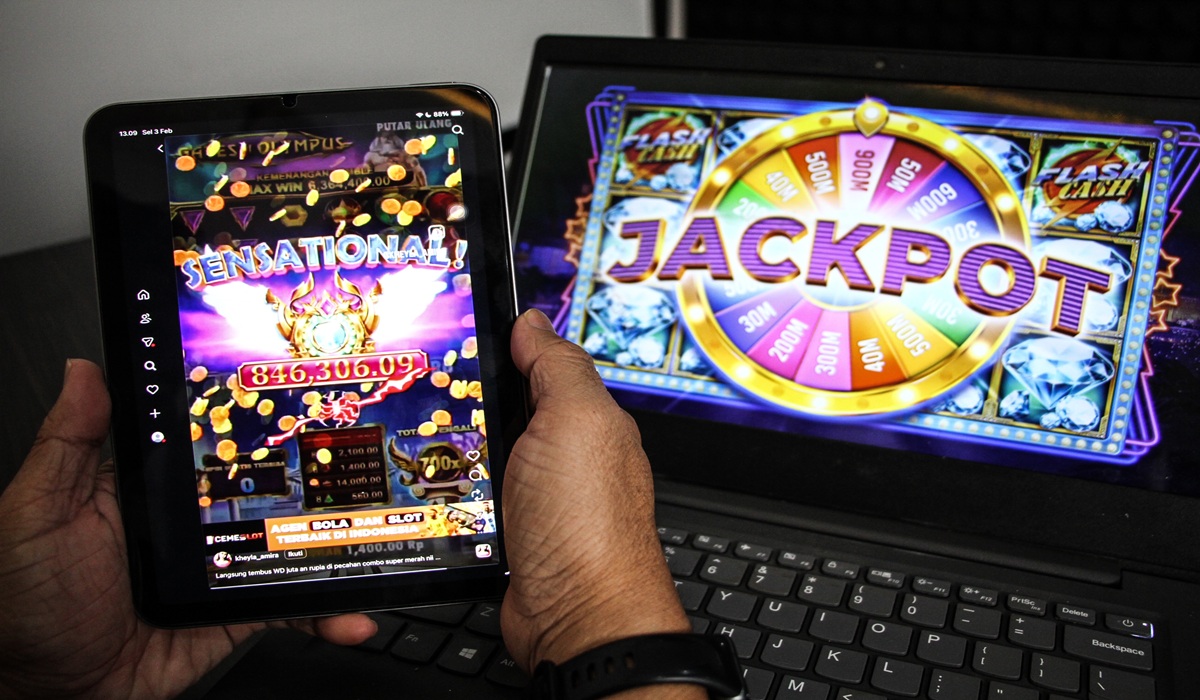
Online gambling addiction is not merely a bad habit but a serious behavioural disorder with clear medical indications.
Dr. Kristiana Siste, Specialist in Psychiatry with a Subspecialty in Addiction Psychiatry, has outlined several signs that someone has fallen into the trap of gambling addiction based on the World Health Organisation’s International Statistical Classification of Diseases 11th Revision (ICD-11).
According to Kristiana, one of the primary symptoms of addiction is loss of control over gambling behaviour. Sufferers are no longer able to limit the time and money they spend. “This means they don’t know morning, afternoon or evening—they’re gambling. They don’t care if their money is gone; they will do anything to find money to gamble. In some cases, this can even lead to criminal behaviour such as theft or taking other people’s money or belongings,” said the Head of the Psychiatry Department at the National Cipto Mangunkusumo General Hospital (RSCM).
Beyond loss of control, gambling becomes the primary priority, displacing other productive activities. In some cases, sufferers are willing to stop their journey or withdraw from their social environment in order to bet online.
“Some people will be riding a motorcycle, then pull over to check the website and play for a bit, then continue their journey again,” she noted.
She added that those addicted typically tend to gamble alone and rarely leave their home.
Biologically, addiction is triggered by a spike in a brain chemical called dopamine. Kristiana explained that the visual and audio design of gambling games, such as slot machines, is specifically designed to trigger excessive pleasure.
“Slot machines have bright, colourful graphics, animations, the sound of coins clinking, scatter symbols with multipliers of 2,000, 50,000. This increases a chemical substance in our brain called dopamine, which creates excessive pleasure when activated at high levels,” she explained.
Although positive activities such as exercise or eating well also produce dopamine, the intensity generated from gambling is far higher, resembling the effects of drug abuse.
This creates a memory in the brain that gambling is a source of instant happiness.
One of the most deceptive elements for players is the emergence of “illusion of control”. Small wins are often perceived as skill, when in fact gambling is entirely dependent on chance.
“The wins aren’t significant, but they feel ‘I must be good at this, I can win without skill’,” Dr. Kristiana said.
This condition causes people to continuously increase betting intensity despite experiencing real losses. Gaming duration that initially lasted only a few hours can increase dramatically to more than ten hours a day.
Although it carries high risk, Kristiana emphasised that not everyone who tries gambling will become addicted, but vigilance regarding the above warning signs is crucial.
Those with trauma may need an outlet that can bring them joy with great intensity, making them more susceptible to addiction. They must undergo detoxification by avoiding online gambling games for at least three weeks.