
Understanding the Ombudsman's Role Amid Investigation into CPO Export Case
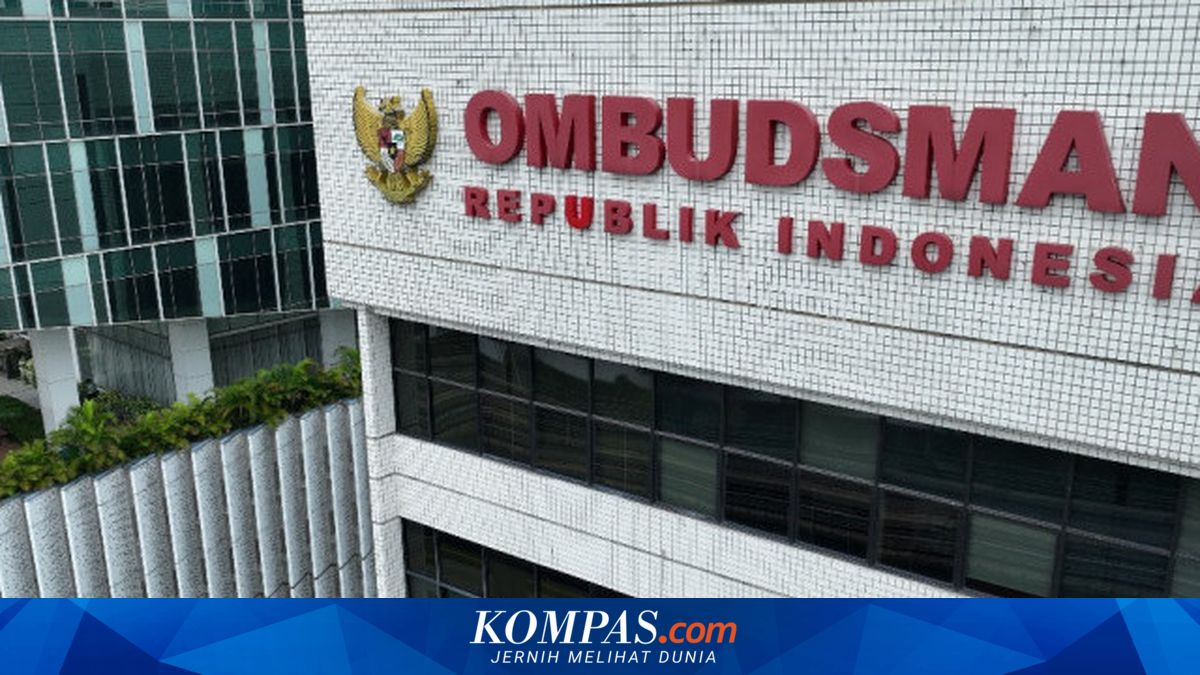
JAKARTA — The Indonesian Ombudsman (Ombudsman RI) was searched by the Attorney General’s office in connection with allegations of obstructing an investigation into a corporate acquittal case in a crude palm oil (CPO) export matter. How does the Ombudsman actually function?
As an oversight institution for public services, the Ombudsman has the authority to receive and examine reports from the public concerning alleged maladministration by state administrators.
Adrianus Meliala, a member of the Ombudsman RI during the 2016–2021 term, explained that public reports serve as the primary gateway for the Ombudsman to conduct investigations into alleged maladministration in public service delivery.
According to Adrianus, reports can originate directly from the public or from the Ombudsman’s own findings through media coverage or surprise inspections. “When the public reports to the Ombudsman, or when the Ombudsman discovers something through media reports or surprise inspections, an examination is then conducted,” Adrianus told Kompas.com on Tuesday (10 March 2026).
Examinations can be carried out in various ways, ranging from direct field checks to summoning parties involved in the matter. “Examinations are carried out on-site or by going directly. We can also summon people and so forth,” he said.
In this process, an examination team comprising Ombudsman assistants will gather various statements and documents to ensure whether maladministration in public service delivery has actually occurred.
Adrianus explained that the LHAP (Laporan Hasil Pemeriksaan — Examination Report) is an official document containing the conclusions of the examination and corrective measures that the relevant agency should undertake.
“The LHAP contains several conclusions and corrective measures submitted by the Ombudsman to the relevant parties,” he said.
Through this document, the Ombudsman requests that the relevant agency improve services or policies considered problematic.
According to Adrianus, under the Ombudsman Law, such recommendations are final and binding, and therefore must be implemented by the agency to which they are addressed.