
Understanding the Nutri Level Regulation to Prevent Excessive Sugar Consumption
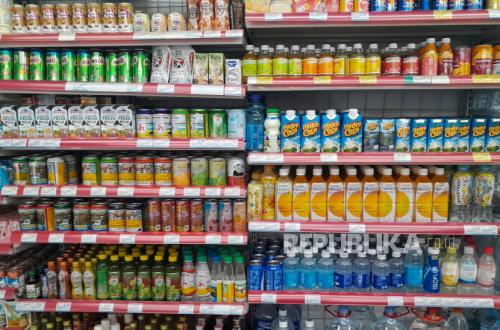
The Ministry of Health (Kemenkes) has issued a regulation requiring the display of nutritional labels in the form of Nutri Level on ready-to-eat foods, particularly sweetened beverages. This regulation will be applied to large-scale businesses to guide society towards healthier consumption patterns.
Health Minister Budi Gunadi Sadikin stated that this policy is an educational effort to prevent excessive consumption of sugar, salt, and fat (GGL), as such conditions lead to various risks of non-communicable diseases, including obesity, hypertension, cardiovascular disease, stroke, and type 2 diabetes.
As an illustration, four diseases causing the largest financing burden for BPJS are related to excessive GGL consumption. For example, the financing burden for kidney failure has risen by more than 400 percent to Rp13.38 trillion in 2025 from just Rp2.32 trillion in 2019.
“Therefore, efforts are needed through the provision of information and education so that the public can more easily choose appropriate and healthy ready-to-eat foods according to their needs,” said Budi, quoted on Wednesday (22/4/2026).
Budi noted that this policy is part of the mandate of the Health Law to ensure that all cross-sectoral disease prevention policies run in harmony. “The Health Law mandates that cross-sectoral policies be aligned. Kemenkes is responsible for regulating ready-to-eat foods, while processed foods or factory products fall under the purview of the Food and Drug Supervisory Agency (BPOM),” said Budi.
Budi assured that this regulation in its initial stage does not target micro, small, and medium-scale ready-to-eat businesses such as warteg, carts, and small or simple restaurants.
This regulation will require ready-to-eat sweetened beverages like boba, teh tarik, kopi susu aren, and juices produced by large-scale businesses to display nutritional labels and health messages in the form of Nutri Level. This information is presented on informational media as an educational effort for the public.
“Especially to reduce excessive consumption of sweetened beverages,” said Budi.
Budi explained that the informational media in question includes display on menu lists, retail packaging, brochures, banners, flyers, menu lists on commercial electronic applications, leaflets, and/or other forms of informational media.
The Nutri Level consists of:
Level A: a combination of the letter A with dark green colour.
Level B: a combination of the letter B with light green colour.
Level C: a combination of the letter C with yellow colour.
Level D: a combination of the letter D with red colour.
Level A has a lower GGL content compared to Level B, Level B has lower GGL content than Level C, and so on. “The display of Nutri Level is based on the self-declaration of business actors regarding the GGL content from tests by government laboratories or other accredited laboratories,” said Budi.