
Understanding the Meaning of Remittances Behind the Tradition of Homecoming
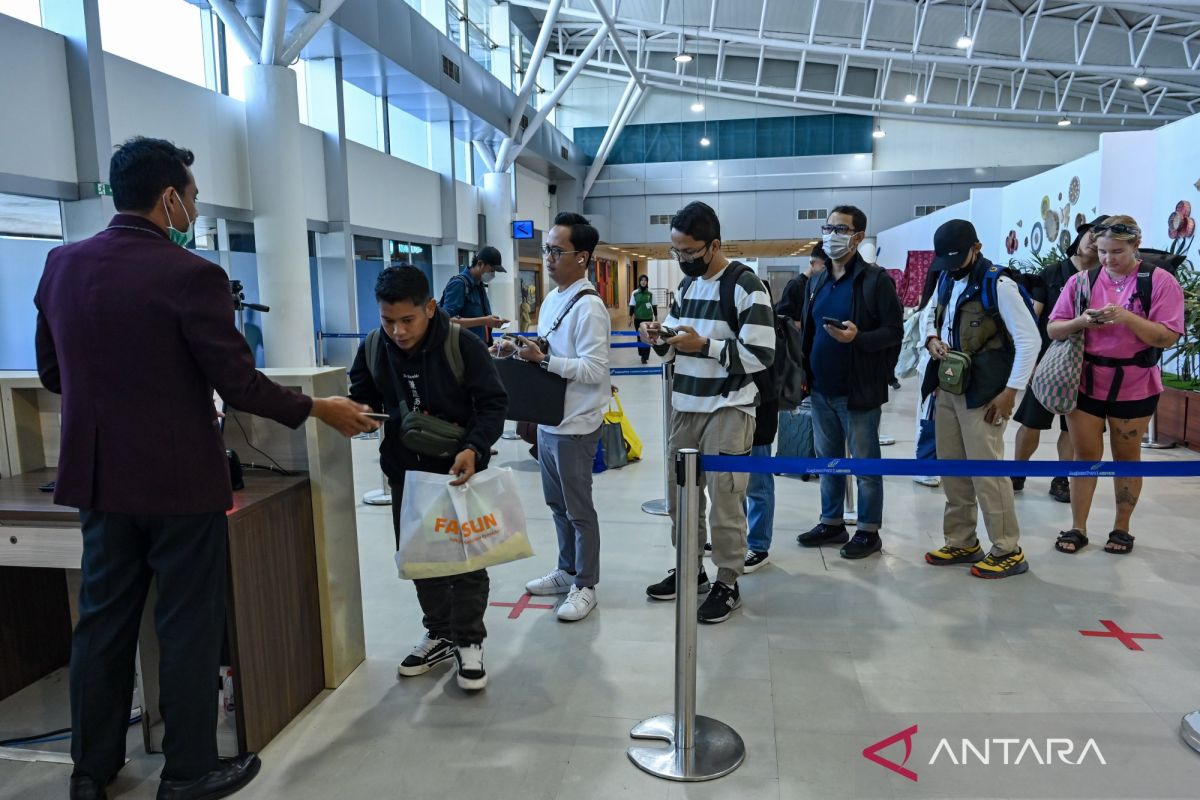
For Indonesian society, the Lebaran homecoming is a tradition that has scarcely lost its significance.
Each year as Eid al-Fitr approaches, millions of people leave the cities where they work to return to their villages. Toll roads fill with vehicles, train stations and bus terminals are crowded with passengers, whilst airports experience an extraordinary surge in travel.
Behind the bustle of these journeys, homecoming is not merely a human mobility event. It is a complex social phenomenon involving economic exchange, the strengthening of family bonds, and the transfer of values and knowledge from cities to rural areas.
In modern migration studies, such phenomena are often linked to the concept of remittance. Remittance has traditionally been understood as money transfers from migrant workers to their families in their areas of origin. However, in social practice, remittance also encompasses the exchange of ideas, experiences, and social networks brought back by migrants.
In Indonesia, the homecoming tradition represents a tangible form of this process. Homecomers do not merely bring money earned in cities, but also life experiences, new perspectives, and a spirit of sharing with family and community in their villages.
The homecoming tradition is an enormous human mobility phenomenon in Indonesia. A Ministry of Transport survey showed that during the 2024 Lebaran season, the number of homecomers reached 193.6 million people, or approximately 71 per cent of Indonesia’s total population, making it one of the largest seasonal human movements in the world.
For Lebaran 2025, the number of homecomers is estimated to decline to 154 million people, or roughly 52 per cent of the national population. This decline is influenced by factors including household economics and consumer purchasing power dynamics. Nevertheless, the overall scale of mobility continues to demonstrate that homecoming represents a very significant socio-economic phenomenon in Indonesian society.
Based on the Indonesian Chamber of Commerce and Industry (KADIN) estimation for 2024, money circulation during the Ramadan and Eid period was estimated to reach approximately Rp157.3 trillion, assuming approximately 193 million homecomers bringing an average of Rp3.25 million per household.
In 2025, KADIN estimates this figure will slightly decline to Rp137–Rp145 trillion as the number of homecomers decreases. Taking into account all derived economic activities during the homecoming season, numerous economic analyses often place the potential economic circulation of homecoming at between Rp150–200 trillion annually.
The majority of this money circulation actually occurs in provincial areas. Historically, most of Indonesia’s economic activity has been concentrated in major cities. However, when homecoming season arrives, part of the income earned by urban workers flows back to villages in the form of family consumption, Lebaran shopping, and assistance to relatives.
According to research results from the Ministry of Finance (2023), increased consumption during the Lebaran period can significantly boost provincial economic activity, particularly in the commerce and services sectors, with increases reaching up to 20–30 per cent compared to normal months.
For small business operators in provincial regions, the homecoming season often becomes the busiest period of the year. Food stalls, traditional markets, local transportation, and souvenir businesses experience significant revenue increases. This demonstrates that homecoming indirectly serves as a mechanism for economic redistribution from cities to provincial areas.