
Understanding the Kiswah Cloth Used to Cover the Kaaba
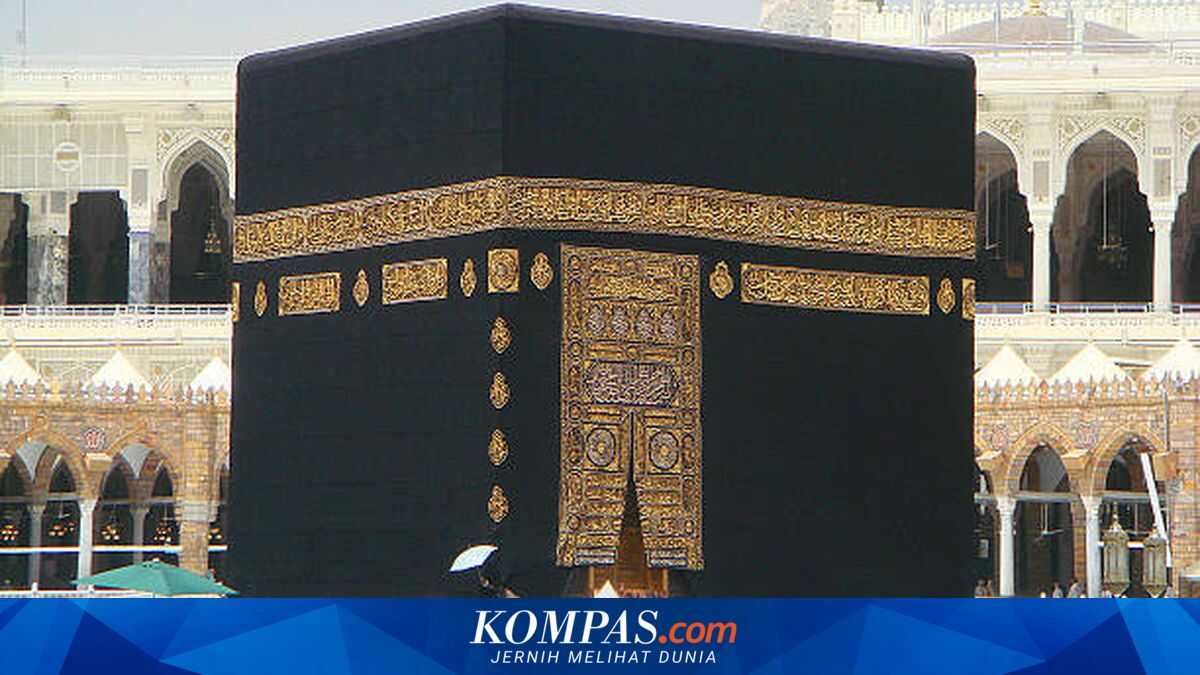
Every year, the government of the Kingdom of Saudi Arabia undertakes the process of replacing the Kiswah—the black ceremonial covering that drapes the Kaaba at the Masjid al-Haram in Mecca. The Kiswah is woven from natural silk threads and adorned with gold and silver embroidery. The tradition of covering the Kaaba with cloth has ancient origins and continues to this day. According to the Saudi Ministry of Media, in 2022 the cost of manufacturing the Kiswah was reported to exceed 20 million Saudi riyals. The total weight of the Kiswah is about 980 kilograms, comprising 760 kg of black silk, 120 kg of gold wire, and 100 kg of silver wire. The cloth is divided into 47 pieces, each measuring 98 centimetres in width and 14 metres in height, before being sewn into a single cohesive piece. Since the era of the kingdom’s founder, Abdulaziz Ibn Saud, the Kiswah’s management has been officially controlled by the state. Production now takes place at the King Abdulaziz Complex for Kiswah Kabah, located at Umm al-Jood in Mecca, and is overseen by the General Department of Masjid al-Haram and Masjid Nabawi. On 29 April 2018, Salman bin Abdulaziz Al Saud inaugurated the renaming of the factory to the King Abdulaziz Kiswah Complex, as part of a modernization programme. Around 220 craftsmen and technicians work across the artistic and operational departments. The process begins with dyeing the silk in natural colours. The thread is then processed on automatic looms to form the base fabric, which will be decorated with verses from the Qur’an. The laboratory department conducts stringent quality tests to ensure the thread quality, including tensile strength tests and resistance to environmental factors. The next stages include: after the entire process is completed, the Kiswah is raised about three metres from the Kaaba’s marble base (Shadherwaan), in a stage known as the ‘Ihram Kabah’, before it is finally installed.