
Understanding the Importance of Fuel Distribution Readiness During Eid Exodus
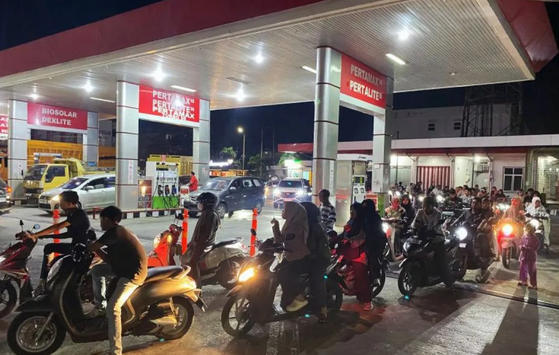
The assurance of Petroleum Fuel (BBM) distribution has become a vital instrument in maintaining national stability during the Eid Exodus of 1447 Hijri. With projected population movement reaching 143.9 million people, smooth energy supply is not merely a technical matter but a cornerstone of safety and economic circulation projected to reach Rp161 trillion.
The government, through the Ramadan and Eid Task Force (Satgas RAFI) 2026, has prepared massive energy distribution infrastructure to serve 143.9 million travellers. This year’s primary focus is ensuring no stock shortages occur at congestion-prone locations.
All fuel operators (Pertamina, Shell, BP, Vivo) have adjusted non-subsidised prices from 1 March 2026. Petrol shortages at rest areas can cause queues extending onto motorway lanes. The peak exodus is predicted for 18-19 March 2026, when congestion from petrol station queues must be mitigated through mobile fuel services and strategically positioned petrol stations.
Stock certainty prevents price speculation at illegal retail points. With the movement of exodus funds reaching Rp161.9 trillion, fuel availability ensures this money is genuinely absorbed for consumption in hometowns rather than depleted by inflated energy costs.
Despite heightened geopolitical tensions in the Middle East involving the United States, Israel, and Iran, the government has ensured crude oil imports remain secure with contingency plans to divert routes from the Strait of Hormuz if necessary.