
Understanding the History of Operation Epic Fury and the Future of Middle East Geopolitics
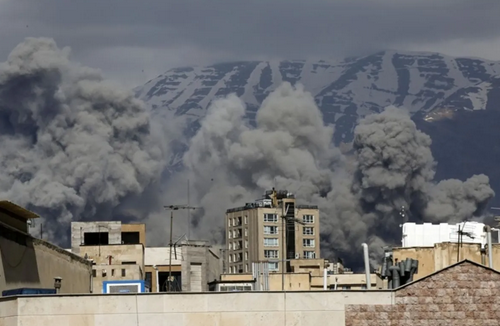
2026 witnessed a dark chapter in Middle East geopolitics with the launch of Operation Epic Fury. The air-and-missile battle is a large-scale campaign launched by United States Central Command (CENTCOM) on 28 February 2026. It was conducted in coordination with Israel’s attack code-named Operation Roaring Lion. The primary objectives were to destroy Iran’s nuclear facilities, cripple the ballistic missile industry, and eliminate senior leadership of the Islamic Revolutionary Guard Corps (IRGC). One of the most significant consequences of the operation was reports of the death of Iran’s Supreme Leader, Ayatollah Ali Khamenei. His Tehran residence compound was targeted by precision missiles in the first wave. The death of the man who had been in power since 1989 sparked internal protests as well as military consolidation by hardline factions in Iran. Operation Epic Fury marks the first use of several advanced military technologies that had previously only appeared in simulations: The attack followed failed nuclear negotiations in Oman and intelligence evidence that Iran was accelerating uranium enrichment for nuclear weapons, as well as developing ballistic missiles capable of reaching Europe. The world is divided. Western countries and several regional allies support this step as a preventive action, while Russia and China strongly condemn the strike as a breach of international law. Global oil prices rose sharply amid threats to close the Strait of Hormuz by the Iranian military as retaliation for the Epic Fury attack. Operation Epic Fury is not merely another military conflict; it is a demonstration of technological and intelligence power in a new era. While it succeeded in disabling a large portion of Iran’s military infrastructure, the long-term impact on political stability in the Middle East and global energy security remains uncertain and a major question for the international community. An in-depth analysis of 5 diplomatic strategies to end the Iran-US war in 2026. Indonesia’s role in the Board of Peace and global energy crisis solutions. Iran asserts that the ongoing armed conflict with the United States and Israel will only end if the opponent stops their aggression. A drone attack rattled the United States Consulate in Dubai amid the escalation of the US-Israel-Iran conflict, broadening tensions to several Gulf and European countries. Diplomatic relations between Madrid and Washington hit a low in March 2026. The Chinese government condemns the air strikes by the United States and Israel targeting public facilities in Iran, killing civilians.