
Understanding the Assembly of Experts: The Religious Authority Behind Iran's New Supreme Leader Appointment
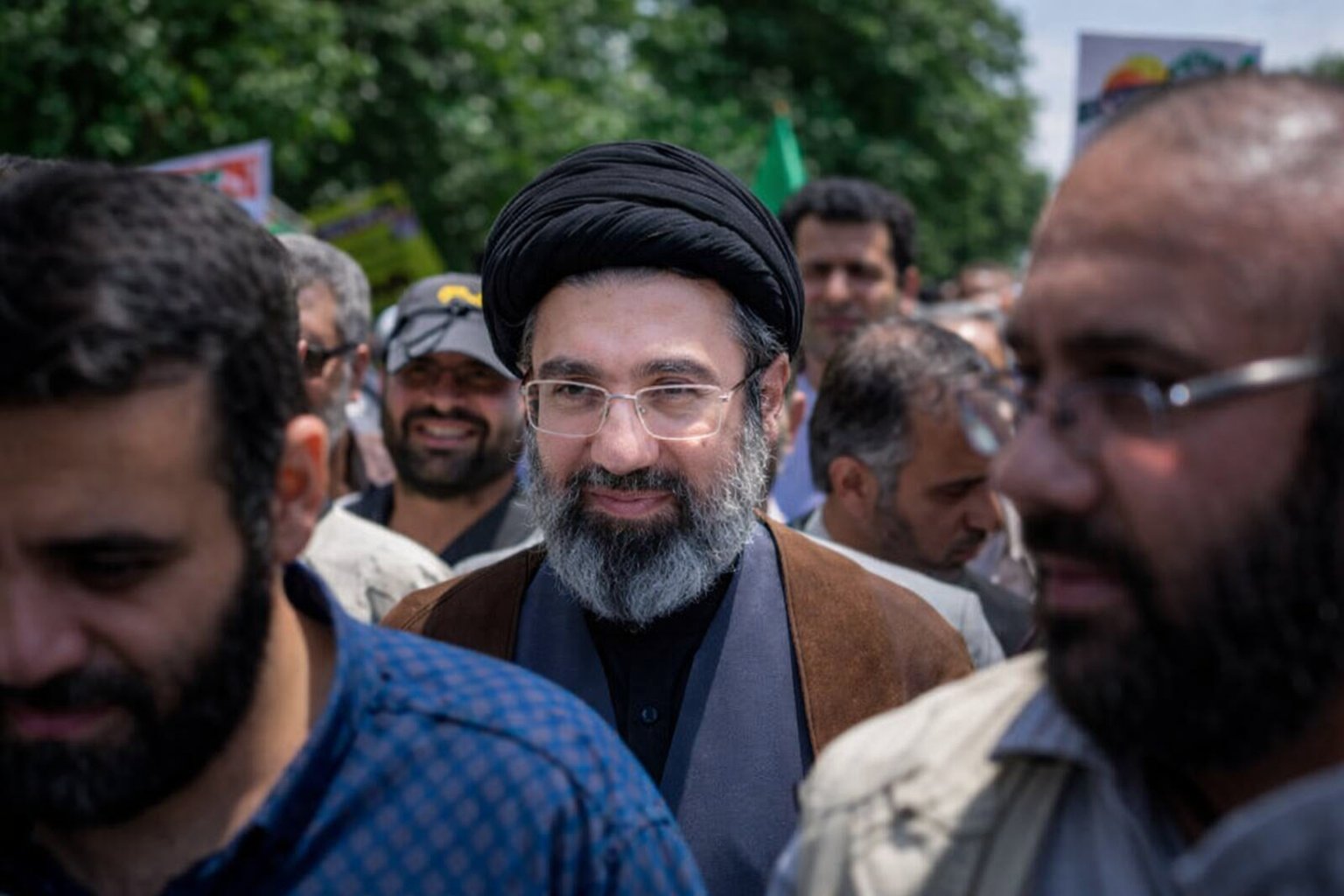
Amid escalating regional conflict, international attention has turned to a crucial institution at the heart of Iran’s government: the Assembly of Experts (Majles-e Khobregan). This body of 88 senior clerics holds the highest mandate to select a new Supreme Leader for the Islamic Republic.
Structurally, the Assembly of Experts is directly elected by Iranian citizens every eight years. However, before anyone can run as a candidate, they must undergo rigorous verification by the Guardian Council (Shora-ye Negahban), a separate institution comprising 12 legal experts who oversee the activities of Iran’s parliament.
The Guardian Council wields extraordinary influence within Iran’s political system. Under normal circumstances, the council determines whether legislation passed by parliament complies with Sharia law. If it does not, they have the authority to demand revision.
Furthermore, the Guardian Council is responsible for approving candidates for parliament, the presidency, and members of the Assembly of Experts itself. The institution is known for being extremely rigorous in disqualifying candidates. For example, during the 2021 elections, the Guardian Council barred more than 600 applicants, including all female candidates and senior figures such as Ali Larijani, a senior national security official.
The current process of selecting a new Supreme Leader is occurring under unusual circumstances. According to reports from the semi-official Fars News Agency, the Assembly of Experts has been forced to hold meetings virtually throughout this week.
This step was taken after a series of airstrikes struck buildings housing the assembly. State media reported that US-Israeli strikes hit the Assembly of Experts complex in Tehran on Monday. A day later, Israeli military spokesman Effie Defrin confirmed strikes against a similar complex in the holy city of Qom.
Although the buildings sustained damage, Fars News confirmed that no assembly sessions were in session when the strikes occurred, allowing members to continue their constitutional duties from secure locations.
The appointment of a new Supreme Leader by these 88 clerics represents a critical milestone for Iran’s political stability, particularly as the nation faces intense military and diplomatic pressure. US President Donald Trump has strongly rejected the appointment of Mojtaba Khamenei as Iran’s Supreme Leader, while Israel has threatened to pursue whoever succeeds him. Iran’s National Security Council Secretary Ali Larijani stated that the Assembly of Experts will soon begin the process of selecting a new Supreme Leader following Ali Khamenei’s death.