
Understanding "Preconditioning": A Feature That Makes Electric Vehicles More Battery-Efficient
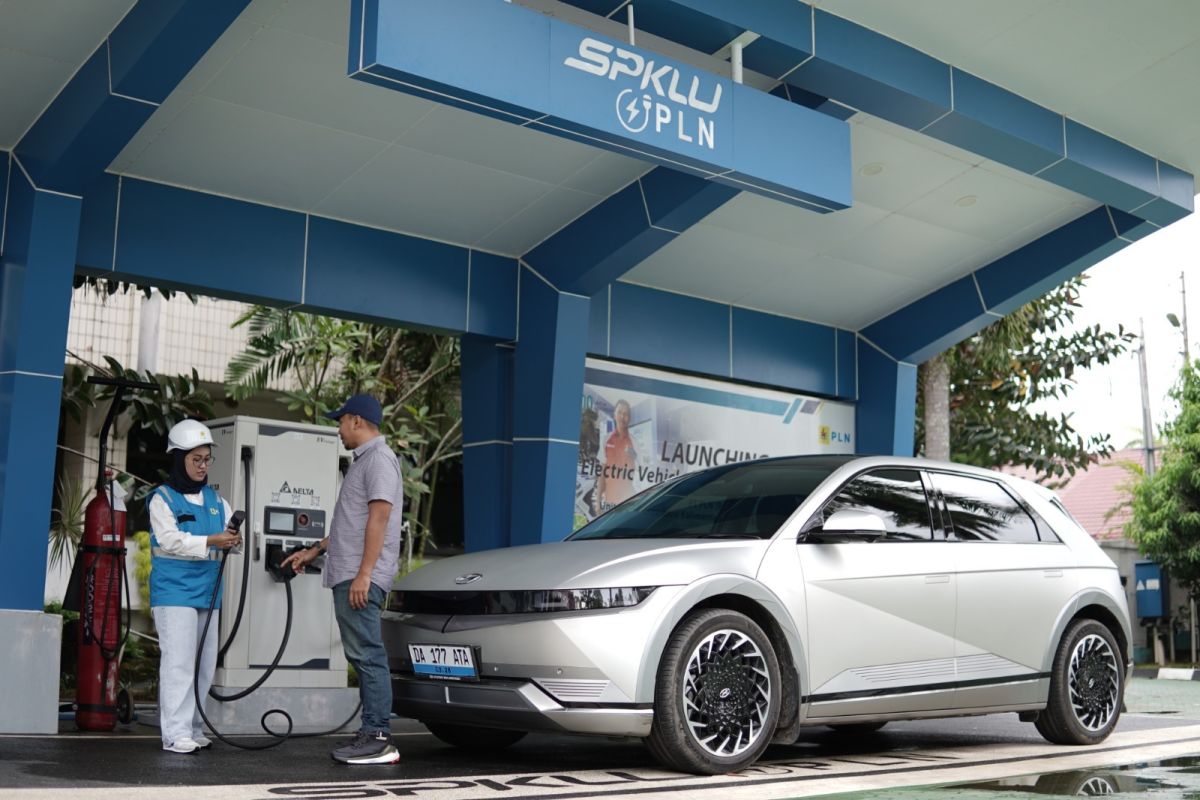
Jakarta (ANTARA) — There are many ways to make vehicles more energy-efficient during use, including electric vehicles, ranging from specific driving techniques to the “preconditioning” (initial conditioning/pre-condition) feature, which can provide significant benefits for electric cars.
Yannes Martinus Pasaribu, an automotive expert from the Bandung Institute of Technology, stated that energy efficiency is greatly influenced by battery temperature management and charging planning.
One recommended approach is to perform preconditioning on the cabin and battery whilst the vehicle is still connected to a charger, so that the energy needed to cool or heat the vehicle is drawn from the charger’s electricity, not from the vehicle’s battery.
Battery preconditioning is the process of bringing an electric vehicle (EV) battery to its optimal temperature before charging, allowing the battery to charge and operate efficiently under both hot and cold conditions.
By heating or cooling the battery beforehand before charging, preconditioning can not only prevent battery wastage, but can also reduce charging time and support long-term battery health.
Electric vehicles use this process to ensure the battery is always ready to deliver power efficiently. This is especially important before using fast DC chargers, as battery temperature significantly affects charging speed.
How to perform EV battery preconditioning?
Preconditioning can be activated automatically or manually, depending on the electric vehicle’s make and model. The most common method is through the navigation system.
When entering a public charger location as a destination, the electric vehicle will begin heating or cooling the battery during the journey so it reaches optimal temperature upon arrival.
If not using navigation, many EVs also allow users to activate battery preconditioning manually through the vehicle’s infotainment system or a connected application.
When an EV is connected to a power source during preconditioning, energy is drawn from the power source, not from the battery. This means the vehicle’s driving range is unaffected, and the battery is ready for fast and efficient charging from the outset.
Typically, the preconditioning process takes around 20–30 minutes, depending on battery size and ambient temperature.
If a very cold battery is directly connected to a charger, charging usually runs more slowly to prevent damage. Preconditioning raises the battery temperature before reaching the charger, allowing for faster charging, particularly with DC fast chargers.
Additionally, by reducing energy used to heat or cool the battery during driving, preconditioning can help maximise driving range on a single charge.
Maintaining the battery within an ideal temperature range helps reduce thermal stress and can extend overall battery lifespan.