
Understanding PM2.5: The Invisible Threat Behind Forest Fire Haze
PM2.5 is an abbreviation for Particulate Matter 2.5, which refers to air particles measuring no more than 2.5 micrometres. For comparison, the average diameter of a human hair is between 50 and 70 micrometres. This means PM2.5 particles are approximately 30 times smaller than the width of a human hair.
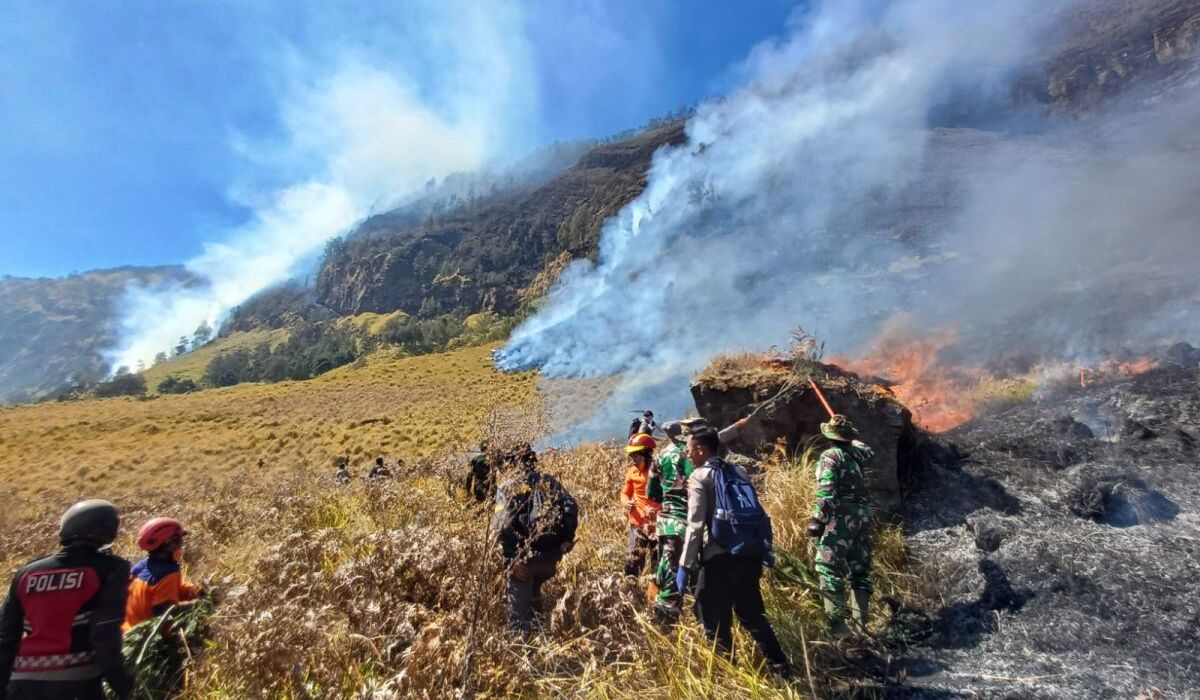
Due to their microscopic size, these particles cannot be seen with the naked eye. In the context of forest and land fires (karhutla), PM2.5 is formed from the incomplete combustion of organic materials such as wood, peat, and forest litter. These particles float in the air for extended periods and can travel hundreds to thousands of kilometres from the fire source.
Unlike larger dust particles (such as PM10) which are typically filtered by nasal hair or the throat, PM2.5 has the ability to penetrate much deeper into the human body. This is why PM2.5 is a primary concern for medical professionals.
Exposure to PM2.5, in both the short and long term, can trigger various serious health problems, including respiratory infections (ISPA) and heart disease. Repeated exposure to forest fire smoke not only disrupts breathing but also increases the risk of lung cancer due to micro-particles settling in the alveoli.
Air quality is declared “Unhealthy” if PM2.5 concentrations exceed the thresholds set by environmental authorities, such as BMKG or KLHK in Indonesia. It is essential to constantly monitor the Air Pollution Standard Index (ISPU) in your area.
Given the significant dangers, here are practical steps to minimise PM2.5 exposure: learn strategies for preparedness when facing haze, ranging from preparing medical supplies and monitoring air quality to implementing health protection measures.