
Understanding Malaria Knowlesi: Symptoms, Transmission, and Prevention in Children
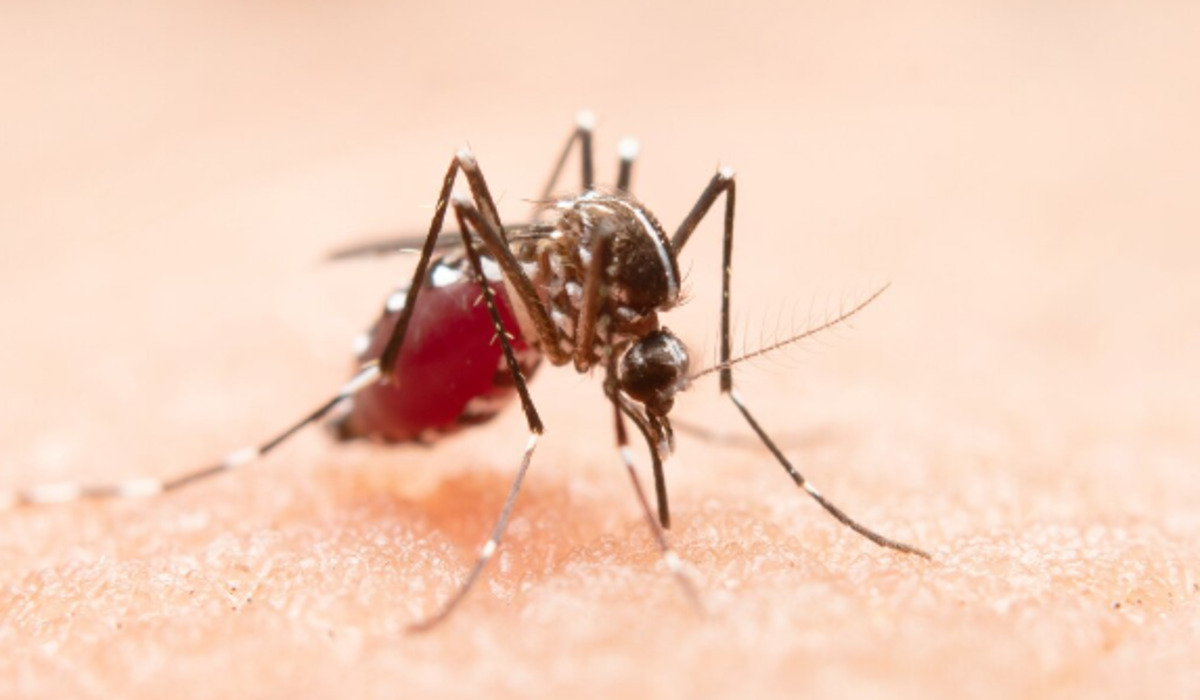
The Indonesian Paediatric Association (IDAI) urges the public to heighten vigilance for Malaria Knowlesi. This zoonotic disease—an infection transmitted from animals to humans—has drawn serious attention following a rise in cases in neighbouring Malaysia, and the detection of cases in Indonesia in 2026.
IDAI Tropic Diseases Infection Control Task Force member Inke Nadia Diniyanti Lubis explains that the disease is caused by the parasite Plasmodium knowlesi. Unlike other malaria types, this parasite has a very short life cycle, enabling it to reproduce rapidly inside the human body.
“Malaria from monkeys can cause severe symptoms due to its much shorter life cycle. They reproduce very quickly within the human body,” Dr. Inke said in a recent online discussion.
The parasite Plasmodium knowlesi originally infects primates, especially long-tailed macaques (Macaca fascicularis) and pig-tailed macaques (Macaca nemestrina). Transmission to humans occurs through bites by Anopheles mosquitoes of the leucosphyrus group.
The disease is generally found in communities living in or near forested areas. Dr. Inke notes that increases in case numbers are often closely linked to deforestation or changes in land use from forest to plantations and settlements. This disrupts the habitat of monkeys and mosquitoes, leading to more intense human contact with the transmission factors.
By epidemiological week 16 of 2026, Malaysia reported an outbreak in Sabah with a total of 357 human cases and one death. Meanwhile, in Indonesia, similar cases have been detected in Aceh Jaya Regency, reaching 30 cases as of April 2026.
Patient conditions can deteriorate rapidly if not treated promptly. If identified within 48 hours of infection, the disease is generally curable. However, delays in treatment risk fatal complications such as kidney failure, respiratory distress, and death.
The public is urged to promptly take children to health facilities if they experience high fever after visiting or residing near forested areas to receive blood tests and appropriate medical care.