
Understanding Hantavirus: Symptoms, Transmission Methods, and Prevention Measures
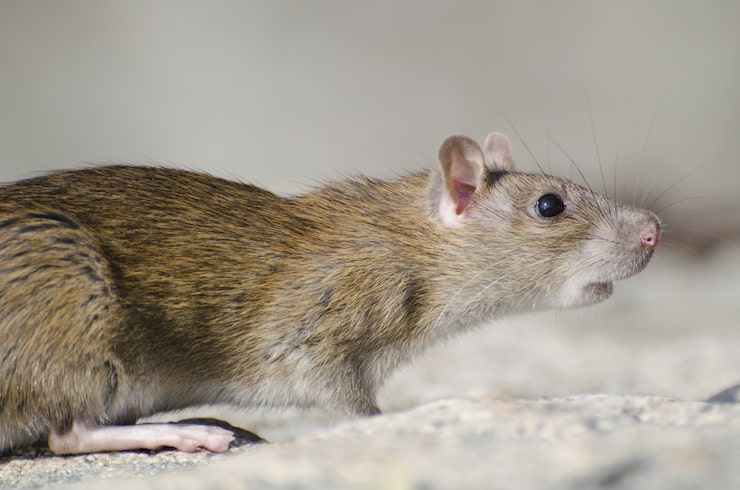
Hantavirus is once again a hot topic among the public, sparking concerns about its potential spread. Many are wondering whether this virus has a high transmission rate like COVID-19 or the common flu.
Hantavirus is a group of viruses carried by rodents, especially rats. The name of the virus comes from the Hantaan River in South Korea, the location where the virus was first identified. Although cases are relatively rare compared to other viral diseases, Hantavirus remains a serious threat because it can cause fatal damage to the lungs and kidneys.
How Does Hantavirus Spread?
Unlike COVID-19, Hantavirus is not easily transmitted between humans. Citing medical information from RS Mitra Keluarga, the main transmission occurs through airborne particles. A person can become infected by inhaling air containing particles of infected rat urine, saliva, or droppings. The risk of transmission increases sharply in areas that are rat nests, such as:
Damp warehouses or attics.
Rice barns and agricultural areas.
Empty houses that have been unoccupied for a long time.
In addition to airborne transmission, the virus can enter through open wounds, mucous membranes of the eyes, or rat bites, although this is very rare. In general, social interaction in public places such as offices or schools does not become a route of transmission for this virus.
Health Impact: Affects Lungs and Kidneys
Hantavirus infection can trigger two main clinical conditions that are life-threatening:
Affecting the respiratory system. Early symptoms include fever, muscle aches, and nausea. Within days, the lungs can become filled with fluid, causing acute shortness of breath to respiratory failure.
Affecting kidney function. Symptoms include severe headache, back pain, blurred vision, to internal bleeding in the later stages.
No Specific Cure
To date, no specific antiviral drugs or vaccines have been found to specifically cure Hantavirus. Medical treatment focuses on supportive care to maintain the stability of the patient’s condition. In cases of HFRS (kidney), the use of antiviral drugs such as Ribavirin is sometimes carried out, but its effectiveness for cases of HPS (lung) has not been clinically proven. Patients who receive oxygen therapy and intensive care earlier have a much higher chance of recovery.
Main Prevention Measures
The main key to avoiding Hantavirus is to break the chain of contact with rodents. Here are the recommended preventive measures:
Home Sanitation: Close gaps or cracks in walls to prevent rats from entering the house.
Food Management: Store food in airtight, hard-shelled containers.
Environmental Hygiene: Clean up piles of used goods or wood that could become rat nests.
Safe Cleaning Procedures: When cleaning a warehouse or empty house, open windows for 30 minutes to allow air circulation. Wear a mask and gloves, and spray disinfectant on rat droppings before cleaning to prevent virus particles from becoming airborne.
Although not as contagious as other respiratory viruses, vigilance is still needed. If you experience symptoms of fever and shortness of breath after being active in areas with a high risk of rat populations, immediately contact the nearest health facility for further examination. (RS Mitra Keluarga/E-3)