
Understanding Extended Producer Responsibility Scheme in Preventing Bantargebang Landslide
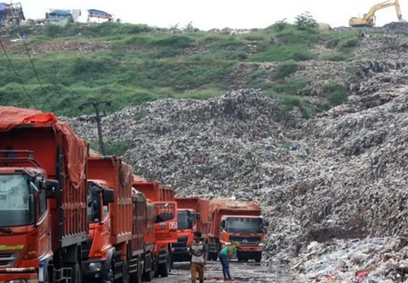
There are many ways to prevent a repeat of the Bantargebang landslide tragedy (2026) and the explosion at the Leuwigajah landfill. In the modern economic ecosystem, a company’s responsibility no longer ends when a product is sold to consumers. Through the Extended Producer Responsibility (EPR) scheme, producers are now legally required to take responsibility for the entire lifecycle of their products, including post-consumer waste management.
In Indonesia, 2026 marks a crucial milestone where the government is tightening regulations through finalisation of derivative regulations from Ministry of Environment and Forestry Regulation No. P.75 Year 2019. This scheme is not merely an additional cost burden, but rather a strategic instrument towards a national circular economy transition.
EPR is an environmental policy approach that places physical or financial responsibility on producers (manufacturers, importers, or brand holders) for products they place on the market until the end of their useful life. This policy shifts the burden of waste management from local governments to private parties that produce the packaging.
Implementation of EPR in Indonesia is specifically regulated under Ministry of Environment and Forestry Regulation No. P.75 Year 2019 concerning the Roadmap for Waste Reduction by Producers. Several key points include:
A Packaging Recovery Organisation (PRO) is a third-party institution or organisation established by producers to fulfil collective obligations in waste collection and recycling. In Indonesia, one example is IPRO (Indonesia Packaging Recovery Organisation).
The regulation targets three major sectors: Manufacturing (FMCG), Retail (shopping centres and supermarkets), and Food and Beverage Services (hotels, restaurants, cafés).
Beyond legal compliance, EPR helps companies improve supply chain efficiency, secure supplies of recycled raw materials, and strengthen loyalty among consumers concerned with sustainability issues.
Although regulations are already in place, major challenges remain, such as limited recycling infrastructure outside Java and the integration of the informal sector (waste collectors) into the PRO system. If fiscal incentives and technical assistance from the government are strengthened in 2026, the industry is expected to accelerate faster.