
Understanding Dubai, The Wealthy Arab City Also Hit by Iranian Missiles
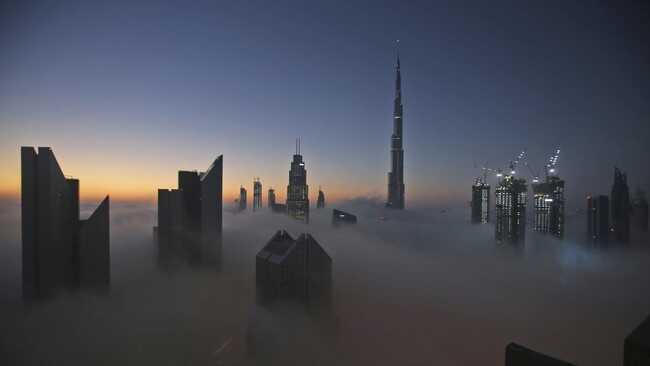
Dubai has been shaken by a series of violent explosions on Sunday morning local time, amid escalating conflict involving Iran, the United States, and Israel. This deadly incident occurred just one day after Iran launched a retaliatory attack in the Gulf region in response to a US-Israeli strike that killed the Supreme Leader of the Islamic Republic, Ayatollah Ali Khamenei.
Dubai, which is part of the United Arab Emirates (UAE), was affected along with several other major cities in the Middle East such as Doha and Manama. The incident has drawn global attention because Dubai has successfully transformed itself into a major global economic centre through diversification of the transportation, financial services, and tourism sectors to reduce dependence on fossil fuels.
With a population of approximately four million residents, Dubai is home to the largest population in the UAE and contributes nearly 25% of national GDP. According to official data, Dubai’s GDP grew by 4.4% in the first half of 2025 to 241 billion dirhams, equivalent to US$66 billion (approximately 1.112 trillion rupiah).
Dubai’s upward economic trajectory confirms the success of its diversification strategy in recent years, with more than 95% of GDP now derived from non-oil sectors. The wholesale and retail trade sector, which has historically been highly profitable, remains one of the largest sectors with a contribution of nearly 25% to GDP in the first nine months of 2024.
Meanwhile, the transportation and logistics sector, through both port and air facilities contributing 12.4%, has strengthened Dubai’s position as a global centre for the movement of goods and people. Furthermore, financial services, real estate, construction, and tourism have also recorded significant contributions in supporting economic growth in the emirate.
The Dubai International Financial Centre (DIFC) has since 2004 brought together thousands of banking, insurance, asset management, fintech companies, and capital markets, serving as an important bridge between European and Asian capital flows. In the first half of 2025, the financial and insurance services sector recorded growth of 6.7% with a contribution of 12.5% to GDP.
Dubai is considered greatly indebted to its highly strategic geographical position amongst Europe, Asia, and Africa in achieving this success. The city’s logistics ecosystem is built around Port Jebel Ali, which is one of the world’s largest inland ports, as well as support from its massive international airport.
In 2023, the aviation sector contributed 27% of GDP and was worth approximately US$37.3 billion to the economy. Airports in Dubai handle more than 88 million passengers per year according to an Oxford Economics report published in October 2024, with Dubai International remaining one of the world’s leading airports for international passenger traffic.
Rapid growth is also evident in the tourism sector, which has attracted tens of millions of foreign visitors to the city.
“Nearly 20 million tourists visited Dubai in 2025, including four million European residents and approximately half a million visitors from France,” said consultant from Protourisme, Didier Arino, to AFP.
This situation has triggered the creation of almost 900,000 direct and indirect jobs recorded in the hotel, restaurant, retail, and services sectors in the UAE. Dubai has invested heavily in tourism by curating a global brand image that has successfully attracted investors and talent from around the world.
Beyond the physical sector, the city is also home to tens of thousands of influencers who have further strengthened their digital economy. With all this progress, geopolitical tensions culminating in explosions in the heart of the Middle Eastern economy have now raised major concerns about regional market stability.