
Understanding Awig-Awig: Traditional Village Law in Bali
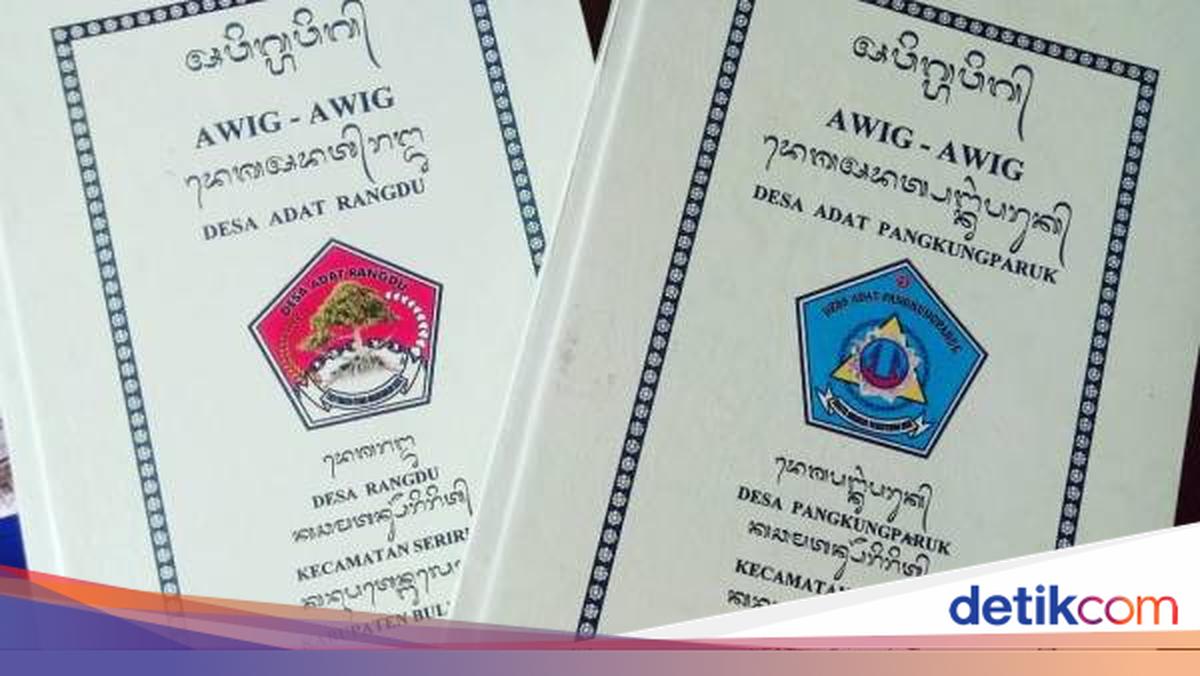
Indonesia employs the 1945 Constitution as its highest legal foundation. However, the existence of other laws, such as customary law, is also acknowledged. One region that applies customary law is Bali.
Bali possesses customary law known as awig-awig. This law is created by indigenous villages. Consequently, its application also pertains to each indigenous village.
What is the History of Awig-Awig Usage?
Literally, awig-awig means village regulations. It originally developed from the teachings of wetu telu and forms part of Hindu religious beliefs.
Awig-awig has been used since the time of the Karangasem Kingdom. During that period, awig-awig was employed to regulate daily life. Its existence served to govern relationships between humans and God, as well as among fellow humans.
The Indonesian government recognises the existence of awig-awig and incorporates it into national law. Its creation is delegated to each village.
How is Awig-Awig Created?
Awig-awig is formulated by the village officials (prajuru desa) and agreed upon by the villagers or krama (community members) of the indigenous village. The content of awig-awig consists of rules that must be followed by all krama in the indigenous village. These rules are binding and compulsory.
Given its strict nature, violators of awig-awig will receive sanctions. The punishments imposed have been agreed upon in advance. These sanctions may include fines, moral reprimands, or social penalties.
The application of social sanctions can take the form of “kesepekan” or ostracism. A krama desa who violates awig-awig will be shunned by other krama desa members. They are not permitted to greet or converse with the violator.
Awig-awig essentially functions as a form of social control. Compliance by krama desa with awig-awig paves the way for order and social harmony.