
Understanding Autophagy: Benefits, How It Works, and How to Trigger It for Cellular Health
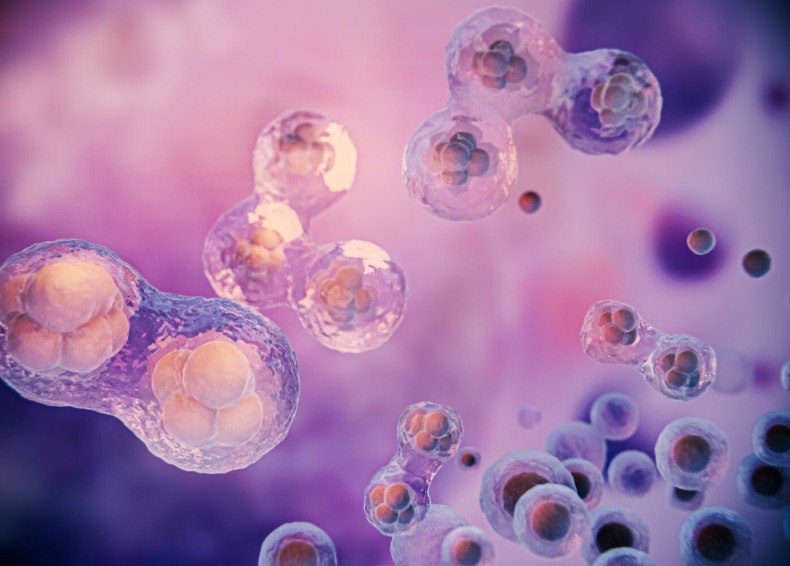
Imagine your body has an automatic waste-management system that runs around the clock to clean damaged cells and convert them into new energy. This magical biological process is called autophagy. Derived from Greek, auto (self) and phagein (to eat), autophagy literally means ‘eating oneself’. But this is not a destructive process; it is a crucial survival mechanism that keeps the body youthful and free from disease.
In 2026, the biohacking and cellular health optimisation trend places autophagy at the forefront. Understanding how this process works is not merely medical knowledge but the key to activating natural detoxification systems that can be more effective than any supplement on the market.
Put simply, autophagy is an internal recycling process. When cells are deprived of nutrients or stressed, they begin identifying damaged components such as defective proteins or aging organelles. These components are then enclosed in a vesicle called an autophagosome. This vesicle then fuses with a lysosome, an organelle containing digestive enzymes. Here the cellular waste is broken down into basic units such as amino acids or fatty acids that the body can reuse to build healthier new cells or serve as an emergency energy source.
The concept of autophagy led Japanese scientist Yoshinori Ohsumi to receive the Nobel Prize in Physiology or Medicine in 2016. His research opened the medical community’s eyes to the importance of this cellular-cleaning process in preventing chronic disease.
One of the most significant benefits is its ability to clear amyloid and tau proteins in the brain. The buildup of these proteins is often linked to Alzheimer’s and Parkinson’s diseases. By periodically activating autophagy, brain cells gain an opportunity to perform thorough cleansing.
Aging is essentially the accumulation of cellular damage. Autophagy helps slow this process by ensuring that only healthy, efficient cells function. At the skin level, the process helps maintain elasticity and tissue regeneration.
Autophagy also helps eradicate invading bacteria and viruses within cells. It also helps regulate chronic inflammation that underpins many modern diseases such as type 2 diabetes and heart disease.
Many people ask whether we must always undertake extreme fasting to gain these benefits. The answer is not always, but fasting remains the strongest trigger. Autophagy is usually activated when insulin levels fall and glucagon rises. This occurs after the body has gone without calories for at least 14 to 16 hours. For maximum results, a 24-hour fast once a week is often recommended by nutrition experts.
Physical stress from exercise, especially High-Intensity Interval Training (HIIT), prompts cells to undertake self-repair. Exercise forces the body to use energy efficiently and stimulates the AMPK pathway, which is a key switch for autophagy.
By restricting carbohydrate intake, the body is driven into ketosis. In this state, the body burns fat as its main fuel, naturally mimicking fasting and triggering the cellular-cleaning mechanism.
Autophagy is an innate health asset already programmed into the human body. By combining regular fasting, challenging exercise, and a proper diet, you can ensure body cells stay clean, efficient, and resilient against ageing and modern disease threats.
Explore the close relationship between fasting and autophagy. Discover how fasting triggers the cleanup of damaged cells for optimal health.
To keep the body energised and focused during worship, balanced nutrition is a crucial factor for society to consider.
Read a medical review of the health benefits of the Daud fast for metabolism. From autophagy to insulin sensitivity, discover why this pattern is considered very healthy.