
Under Tents, Earthquake Survivors in Mbay Await Aid
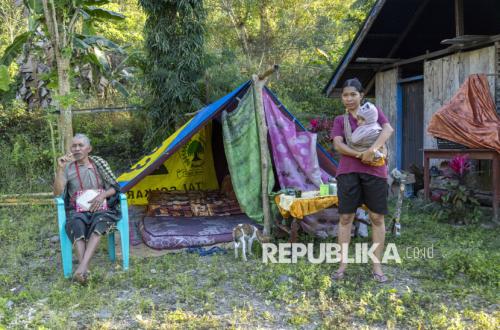
Emergency tents have become temporary homes for residents affected by the earthquake in Mbay, Nagekeo Regency, East Nusa Tenggara. Beneath simple tarpaulins, survivor families are trying to carry on with their lives after their houses were damaged by the tremors.
Tents have been erected around residential areas and evacuation sites. They are basic structures, consisting of frames covered with tarpaulin and offering limited space for several family members. Mats are laid on the ground for sleeping. Clothing, cooking utensils, drinking water, and whatever belongings remain from their homes are stored close together inside the tents.
For residents, living in tents is not a choice. They are afraid to return to houses that suffered damage from the earthquake. Some buildings have developed cracks, while aftershocks have led residents to remain outdoors for their own safety.
During the day, heat easily becomes trapped inside the tents. When night falls, the air turns cold. The cramped space means family activities must be carried out in turns. Cooking, eating, resting, and caring for children all take place in the same area.
Earthquake survivors in Mbay need proper temporary shelter, clean water, bedding, hygiene supplies, medicines, and food that can meet the needs of families during the emergency response period.
Aid has begun to arrive. Emergency assistance continues to be directed towards earthquake survivors to meet their needs for food, medicines, sanitation, and baby supplies.
For the people of Mbay, the aid that arrives is not only about what can be eaten today. Aid means a sense of safety, a proper place to rest, access to clean water, health services, and the opportunity to slowly rebuild their lives.
For the survivors in Mbay, the tents are a place of shelter, but they are not homes. Inside them, life has had to be temporarily compressed into a small space while waiting for conditions to become safe again.