
Under Pressure from US-Iran War, NATO Giant Slashes Fuel Taxes Massively
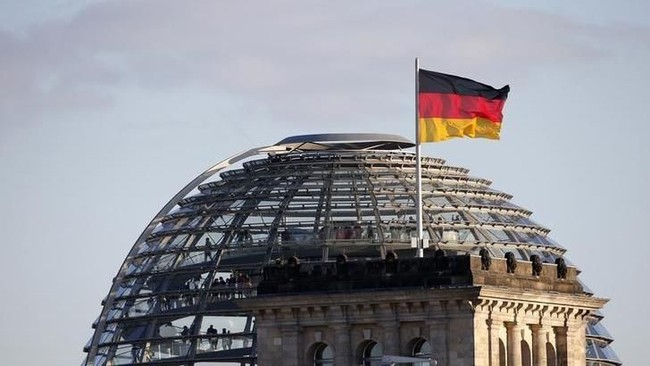
Jakarta, CNBC Indonesia - German Chancellor Friedrich Merz has officially announced that the German government will slash fuel taxes massively on Monday (13/4/2026). This emergency step is being taken as households in the Land of the Panzer struggle to cope with severe energy shocks due to the war in the Middle East, while warning that the conflict will bring long-term economic consequences.
This crucial announcement comes after global crude oil prices surged again following the collapse of peace talks between the United States (US) and Iran. The global energy market situation has become increasingly tense after US President Donald Trump’s decision to blockade the Strait of Hormuz, the world’s vital oil artery.
Chancellor Merz emphasised that the armed conflict is the main cause of the economic crisis currently spreading to his country. He stressed that Berlin is making every diplomatic effort to try to end the devastating conflict.
“This war is the root cause of the problems we face in our own country,” said Merz at a press conference in Berlin on Monday (13/4/2026), quoted by AFP.
Following discussions between his party, the CDU, and the government coalition partners, Merz stated that the government has decided to cut petrol and diesel taxes by around 17 euro cents (Rp 3,400) for two months. This policy is expected to quickly ease the burden of soaring transportation costs.
“This will very quickly improve the situation for drivers and businesses in this country, and especially for those who, particularly for professional reasons, spend a lot of time on the road,” Merz told the media.
Fuel prices in Germany have skyrocketed sharply, as in other countries, since the outbreak of the US-Israel war against Iran at the end of February. In addition to the tax cut, the German government also announced that businesses are allowed to pay tax-free bonuses to employees of up to €1,000 (Rp 20,000,000) to mitigate the impact of runaway inflation.
However, Merz issued a warning note that the state budget will not be able to bear the full impact of the global crisis continuously. He asked the public to understand the limits of the government’s ability to intervene in the face of global uncertainty.
“At the same time, we cannot compensate for every market outcome with government funds. The state cannot absorb all uncertainties, not all risks, not all disruptions in global politics,” Merz stated.
Finance Minister Lars Klingbeil added that the government plans to bring forward the tobacco tax increase schedule to finance the fuel duty reduction. This step is taken as a budget substitution strategy to maintain the country’s fiscal stability.
Germany, as Europe’s largest economic power, is currently in a difficult position due to the surge in energy costs, where many of their manufacturing sectors were previously pressured by US trade tariffs and fierce competition from China. Merz also cautioned that the effects of this war will not disappear in the near future.
“The German economy will face a significant burden over a prolonged period,” Merz asserted firmly.
This situation is exacerbated by reports from leading economic institutions that this month slashed the German economic growth forecast to just 0.6% for 2026. This figure has dropped sharply compared to the pre-war prediction of 1.3%.