
UN Warns World of Bankruptcy: Empty Accounts and Depleted Water Reserves
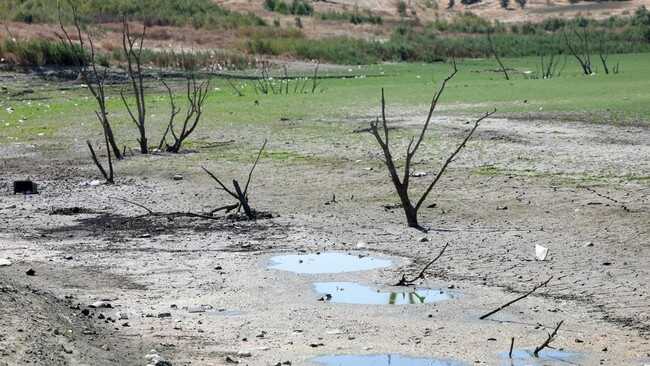
An apocalyptic water scenario is increasingly visible on Earth. In a report released by the United Nations (UN), water supplies are dwindling further and drought can no longer be avoided.
According to the UN, three of every four people live in countries facing water shortages, contamination or drought. Approximately 4 billion people experience water scarcity within one month each year.
A report by Kaveh Madani from the UN University Institute for Water, Environment and Health (INWEH) describes this situation in financial terms. They liken surface water accounts to being emptied and human water reserves—from groundwater to glaciers—being progressively depleted.
With water crises occurring across numerous regions of the world serving as a warning sign of an impending “bankruptcy”, according to Earth.com on Monday (23 February 2026).
One cause of this phenomenon is the expansion of agricultural and urban areas into arid regions. Climate change also serves as another significant factor.
This is because global warming makes dry regions increasingly drier and increases evaporation. This phenomenon causes rainfall to continue declining.
According to Madani, water shortages can have broader impacts, including social instability within a country. For example, they can trigger migration, conflict and unrest.
One instance is the violent protests in Iran. When water systems failed, jobs and daily life were also affected, and political stability became difficult to maintain.
Similar reports also highlight countries with abundant water supplies experiencing comparable challenges. This is because the impacts stem from data centres that consume significant amounts of water, as well as pollution from various sources such as industry, waste and fertilisers.
Researchers also noted the disappearing wetlands in the European Union. The reason is that most have been converted into agricultural land.
Madani stressed that humanity must learn to live with less water. This can be achieved through more intelligent water management.
However, regrettably, few countries are undertaking the fundamental task of recording what water they possess and what they use. As it would be entirely unreasonable to implement solutions such as cloud seeding without clear reports on water shortages.