
UN urges Russia and Ukraine to cooperate with IAEA to secure Zaporizhzhya nuclear power plant
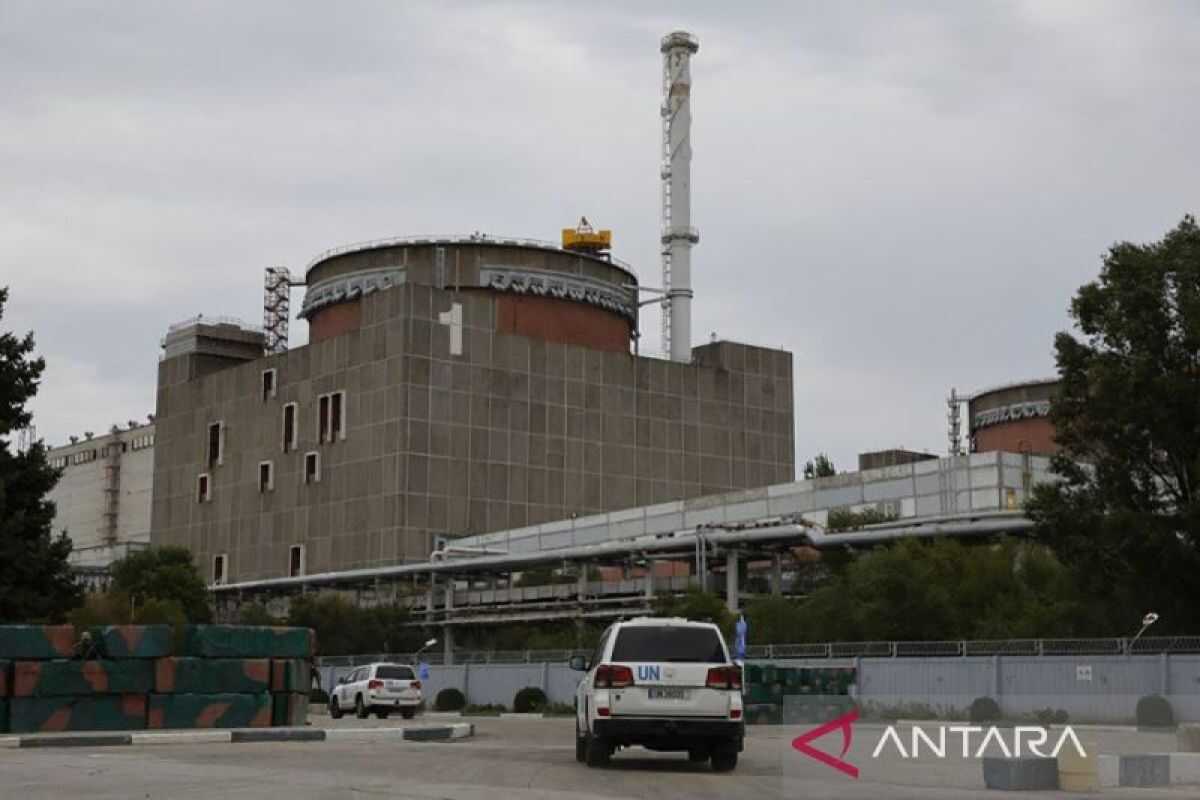
UN/New York (ANTARA) - UN Spokesman Stephane Dujarric said on Wednesday (February 25) that the UN is asking Russia and Ukraine to cooperate with the International Atomic Energy Agency (IAEA) to ensure the safety of the Zaporizhzhya Nuclear Power Plant (ZNPP) amid military activity.
Speaking at the Conference on Disarmament earlier that day, Russia’s permanent representative to the UN in Geneva, Gennady Gatilov, said that Kyiv’s deliberate shelling of the ZNPP risked causing a nuclear disaster.
He added that it could also have an impact on countries providing military assistance to Ukraine.
“And we urge the Russian Federation and Ukraine to work closely with the IAEA to ensure the safety of the (Zaporizhzhya) power plant in the interest of all,” Dujarric told reporters.
Dujarric added that since the beginning of the Ukraine conflict, the UN has expressed concern about the safety of the ZNPP and other nuclear power plants.
The head of Rosatom, Alexey Likhachev, said that Russia and the IAEA are discussing the timing and conditions for establishing a local ceasefire to carry out repairs at the ZNPP.
The IAEA stated that the ZNPP’s Ferrosplavnaya-1 backup line was switched off on February 10, possibly due to military activity in the area.
The ZNPP is located on the left bank of the Dnepr (Dnipro) River, near the city of Energodar (Enerhodar). The ZNPP is the largest nuclear power plant in Europe in terms of the number of units and installed capacity.
The plant has six generating units, each with a capacity of 1 gigawatt, all of which are currently in a temporary shutdown (cold shutdown) state.
In October 2022, the nuclear power plant came under Russian control and has since been regularly targeted by Ukrainian attacks.
Source: Sputnik/RIA Novosti