
UN: Shipping Disruptions in the Strait of Hormuz Trigger Concerns Over Domino Effects
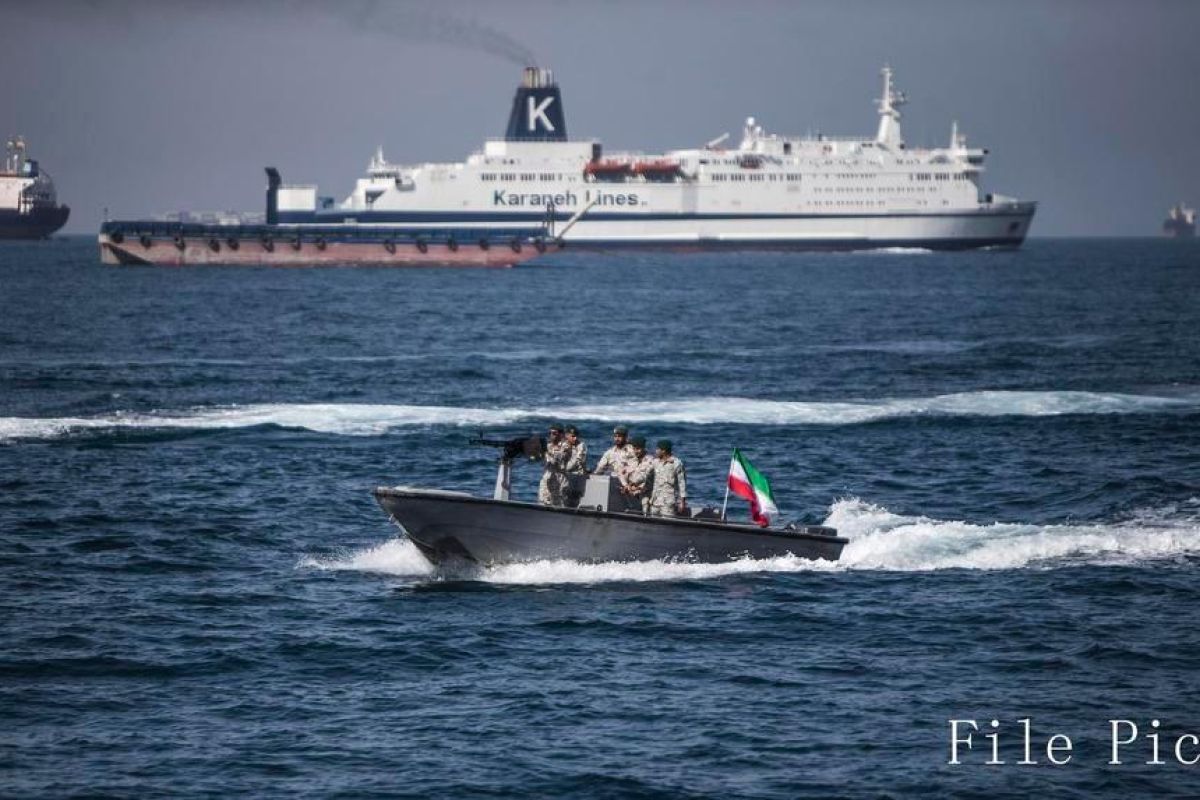
Geneva (ANTARA) — Recent maritime traffic disruptions in the Strait of Hormuz have triggered concerns about potential domino effects on energy markets, maritime transport, and global supply chains, according to the United Nations Conference on Trade and Development (UNCTAD) on Tuesday (10 March).
In an analytical report, UNCTAD stated that military escalation in the region has disrupted shipping flows through the Strait of Hormuz, a vital corridor that handles approximately one quarter of global maritime oil trade, as well as significant volumes of liquefied natural gas and fertiliser.
The report explained that the oil market reacted swiftly to the disruptions, with Brent crude prices surging above $90 per barrel immediately following the incident.
UNCTAD warned that the impact could extend beyond energy markets. Approximately one third of global fertiliser trade by sea passes through the strait, potentially threatening fertiliser access for some of the world’s poorest nations.
Higher costs for energy, fertiliser, and transport could in turn drive up food prices and worsen cost-of-living pressures, the report stated.
Developing economies may be particularly vulnerable to this shock, given high debt burdens and rising borrowing costs that limit their ability to absorb the new price increases, the report added.
Furthermore, the report also underscored the importance of continuous monitoring of this situation, particularly its implications for vulnerable economies.