
UN Resolution Ignites Debate on Reparations for African Slavery
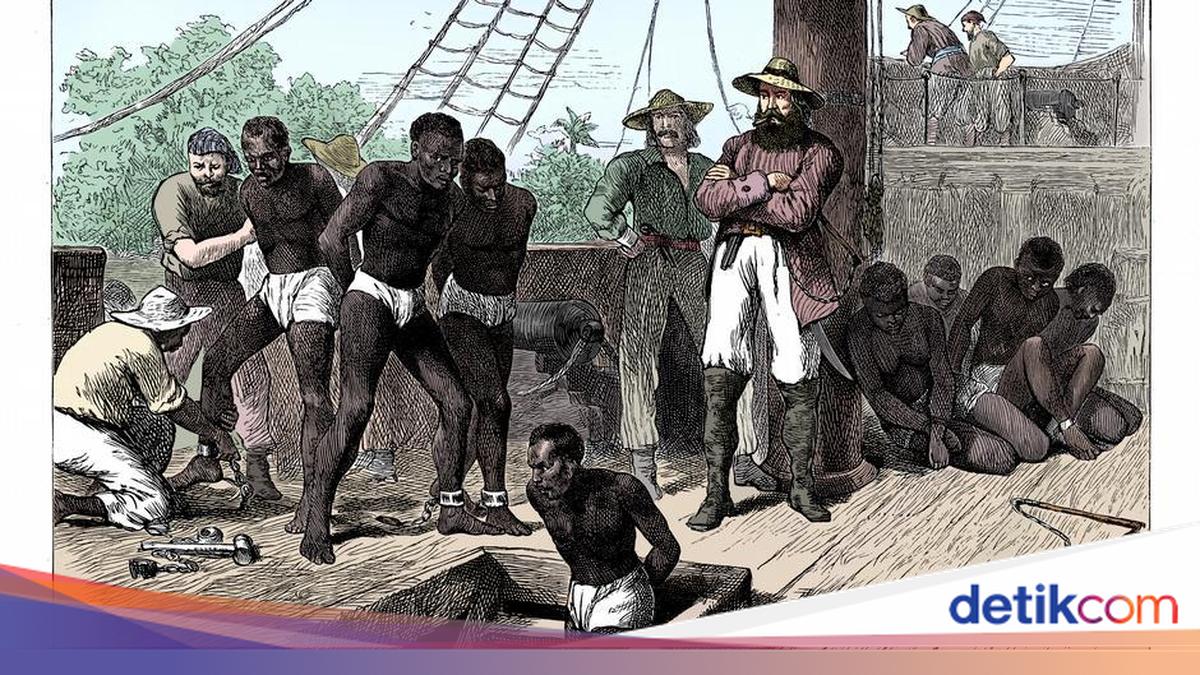
The United Nations General Assembly this week adopted a historic resolution declaring the transatlantic slave trade as the “most heinous crime against humanity”. The resolution also calls on UN member states to engage in talks on reparative justice, including full and official apologies, restitution measures, compensation, rehabilitation, satisfaction, guarantees of non-repetition, as well as legal changes, programmes, and services to address racism and systemic discrimination. Although not legally binding, the resolution is widely regarded as an important political milestone. Amnesty International’s Executive Director in Nigeria, Isa Sanusi, said, “This is a very important decision… this decision recognises the fact that the transatlantic slave trade was a great injustice to humanity.” He added that this symbolic recognition, even if merely symbolic, “will greatly help to open the way to addressing that injustice.” For many Africans and their diaspora, this vote marks a shift from mere symbolic recognition to more substantial global conversations about accountability. From historical memory to global political policy Along Ghana’s coastline, the push for reparations is often linked to historical sites where traces of the slave trade are still visible. Elmina Castle, built in 1482, is one of the most prominent reminders of the transatlantic slave trade. Behind its walls, enslaved Africans were held in cramped dungeons before being forced onto ships bound for the Americas. Now, visitors pass through the same spaces, confronting a past that feels deeply personal for many. One ancestry seeker, Charles Preston Britton, said, “I can only imagine what they went through… it’s worse than any story can tell. No compensation can make up for it, but this is a start.” The sensation of that first step is also reflected on the global stage, where calls for accountability are gaining new momentum. Michael Kunke, a cultural heritage curator, said, “An apology is a sign of recognition that yes, we did it, and we acknowledge that it happened. It’s the first step towards other things… talks about reparations and so on.” Michael Ndimancho, a political analyst at the University of Douala in Cameroon, agrees. He emphasised that recognition is the foundation of any meaningful process. He added: “An apology is very, very important… everything starts with saying I’m sorry. When there is this regret, then we look for the way forward.” Sanusi also stressed that historical injustices are directly linked to ongoing inequalities. He said, “The injustices we face around the world are connected to past injustices. These things have long impacts… they don’t happen in a vacuum.” What form should reparations take? Although calls for reparations are growing stronger, there is no consensus on the appropriate form. Ndimancho argues that focusing solely on financial compensation risks oversimplifying the complex historical injustice. He asked: “Who will we compensate? If you want to estimate it in money terms, how much should be paid, and what are the parameters?” Instead, he suggests a more structural approach that targets long-term development challenges across the continent. He explained, “African countries should demand the cancellation of their debts… aid in education, development, cultural and social development.” Sanusi emphasised that reparations are an essential part of justice. He said, “Whether in the form of financial gifts or other forms of restoration, the important thing is that the injustice is recognised and addressed.” The debate on reparations is becoming more complex due to questions about Africa’s role in the slave trade. Ndimancho acknowledges that some African leaders were involved, but emphasises the broader context, where such involvement often occurred through coercion and intimidation. He said, “They were forced to participate, through coercion, through violence. They were present with intimidation.” The focus, he believes, should remain on the systemic nature of the transatlantic slave trade, which historians say was largely driven by the economic interests of European colonial powers. The price that must be “paid” from the slavery system Historians estimate that at least 12.5 million Africans were forcibly transported during the transatlantic slave trade, with millions more dying either during capture or on the journey. Ndimancho noted that the loss of these millions meant a huge loss of labour and development potential. He said, “We’re talking about 13 million Africans… this is a huge workforce that was ripped from Africa.” He calls it a “historical development cost”, a factor that continues to affect the continent’s economic trajectory and contributes to persistent structural inequalities today. Sanusi added, “Many people still face exclusion, racism, and discrimination… this is not just history, it’s something we still experience.” For some members of the African diaspora, the impact is equally profound. Dr. Lilieth Johnson Whittaker, an ancestry seeker, stated: “We have been robbed twice, lied to twice. And now it’s time to ‘pay’.” For many, the UN resolution is not a resolution, but the beginning of a long-overdue conversation on justice.