
UN Recognises Transatlantic Slave Trade as the Most Serious Crime Against Humanity
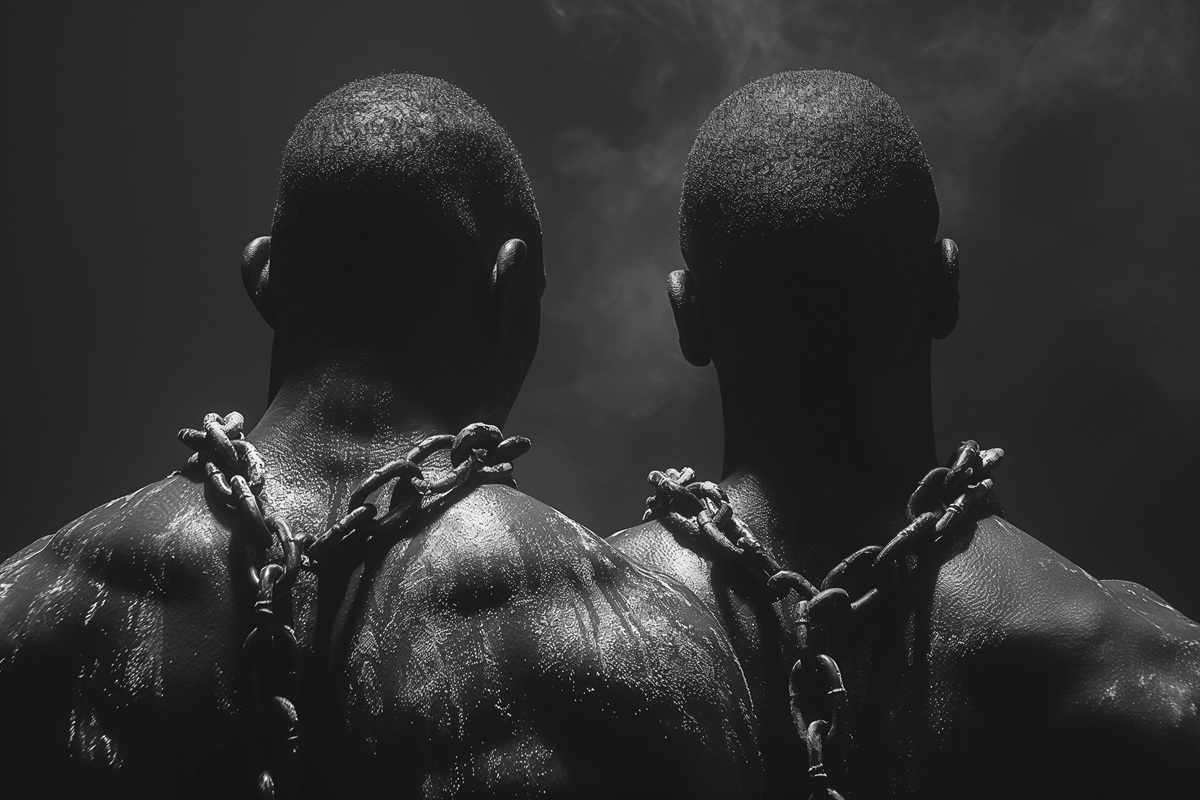
The United Nations General Assembly has made history by voting to recognise the enslavement of African people during the transatlantic slave trade era as the “most serious crime against humanity.” This step is expected to pave the way for justice and reparations for millions of descendants of the victims worldwide.
The resolution, proposed by Ghana, was passed with the support of a majority of 123 votes. However, three countries expressed opposition: the United States, Israel, and Argentina, while 52 other countries, including the United Kingdom and European Union members, chose to abstain.
In addition to designating the status of the crime, the resolution urges UN member states to consider official apologies and to contribute to reparations funds (compensation). Although the General Assembly resolution is not legally binding, this decision carries significant weight in global opinion.
Ghana’s President, John Mahama, emphasised the importance of this step before the assembly.
“Let it be recorded that when history calls, we do what is right for the memory of millions who suffered the indignity of the slave trade and those who continue to suffer racial discrimination,” he stated.
Ghana’s Foreign Minister, Samuel Okudzeto Ablakwa, added that the compensation demands are not for the benefit of current African leaders, but rather for education funds, skills training, and endowments for the victims and their descendants.
Based on historical records, between 1500 and 1800, an estimated 12 to 15 million people were captured in Africa and forcibly taken to the Americas to be enslaved. Of that number, approximately 2 million people are estimated to have died during the horrific journey across the ocean.
The impact of this dark period is considered to persist to this day in the form of racial inequalities and developmental backwardness affecting people of African descent around the world.
The United Kingdom and the United States maintain their position of rejecting financial compensation demands. The US Ambassador to the UN, Dan Negrea, stated that the US does not recognise any legal right to reparations for historical wrongs that were not considered illegal under international law at the time.
On the other hand, this debate also touches on US domestic policies under the Donald Trump administration. President Mahama once criticised the US government’s actions, seen as attempting to erase black history through the restoration of Confederate statues. However, Negrea refuted this and claimed that Trump has done more for black Americans than any other president.
In addition to the issue of compensation, the resolution also calls for the return of cultural artefacts stolen during the colonial era to their countries of origin as part of efforts to restore lost cultural heritage.