
UN: One-Third of Somali Citizens Face Critical Food Insecurity in March
UN Headquarters (ANTARA) - Approximately 6.5 million people, or roughly one-third of Somalia’s population, will face critical levels of food insecurity in March, an increase of 1.7 million people since January, several United Nations officials said on Wednesday (Feb. 25).
Speaking to reporters at UN headquarters via video link, Director of Preparedness and Emergency Response at the World Food Programme (WFP) Ross Smith said the latest Integrated Food Security Phase Classification (IPC) report for Somalia, released on Tuesday (Feb. 24), confirmed concerns that the humanitarian situation in Somalia is deteriorating significantly.
“Of that number, 2 million of the most vulnerable women and children are projected to face severe food insecurity, with over 1.8 million children under the age of five expected to suffer from acute malnutrition by 2026,” Smith said.
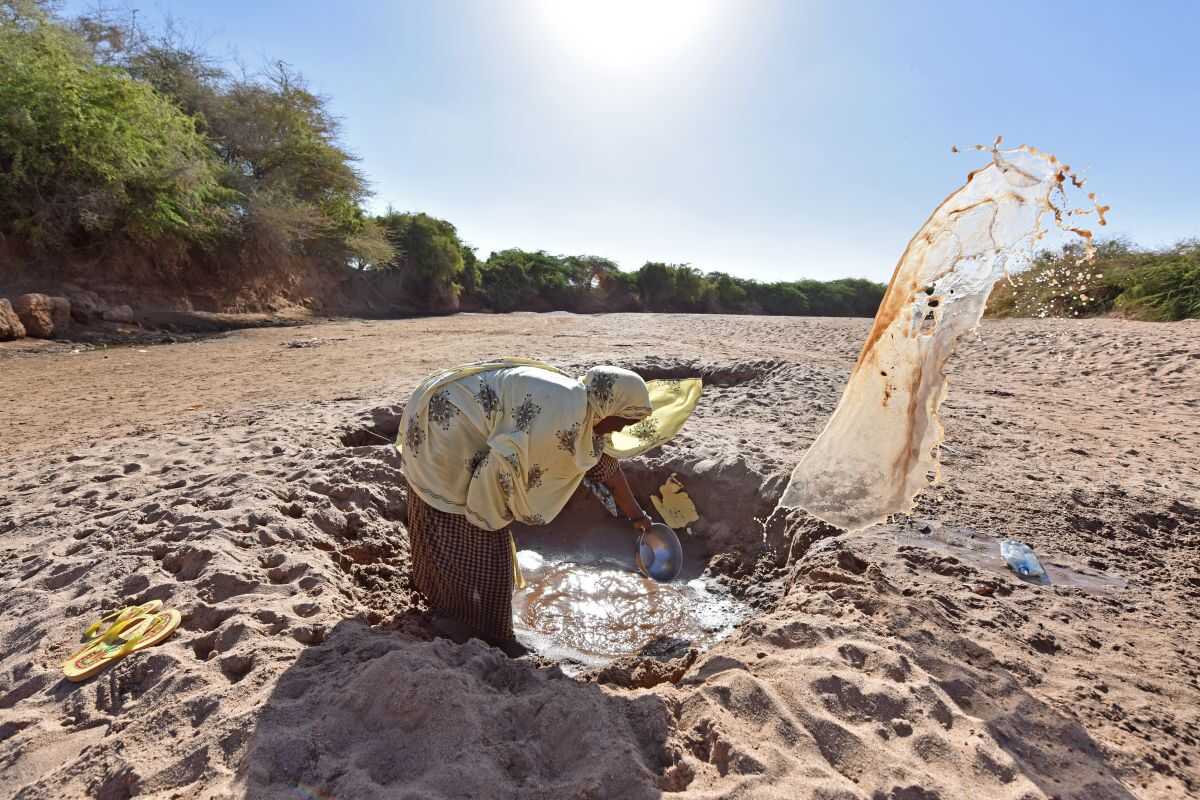
Smith said Somalia is facing a very complex food crisis, with two consecutive rainy seasons failing to produce enough rainfall, ongoing conflict and insecurity, and thousands of people being forced to flee their homes in search of shelter, food, and basic services.
Meanwhile, several agencies in Somalia, including the WFP, are facing severe resource constraints, Smith warned.
He added that without immediate funding, the WFP’s life-saving emergency food and nutrition assistance to the most vulnerable groups in Somalia will be forced to be reduced and eventually stopped.
Rein Paulsen, director of the Office of Emergencies and Resilience at the Food and Agriculture Organization (FAO), highlighted the devastating impact of the drought on Somalia’s agricultural sector.
“Specifically, this means widespread loss of crops and livestock, as well as large-scale displacement of people,” he said.
As a result of the drought, Somalia’s last main cereal harvest was 83 percent lower than the long-term average between 1995 and 2025, and livestock birth rates have also declined, Paulsen said.
He stressed the urgency of life-saving assistance to protect lives and actions to prevent the destruction of agricultural and pastoral livelihoods in rural areas.
To respond to the situation, the FAO needs 85 million U.S. dollars to support 1 million of the most vulnerable, high-risk, and underserved rural people, but so far only 6 million U.S. dollars has been made available, Paulsen said.