
UN: Funding shortfalls hamper humanitarian operations in the occupied Palestinian territories
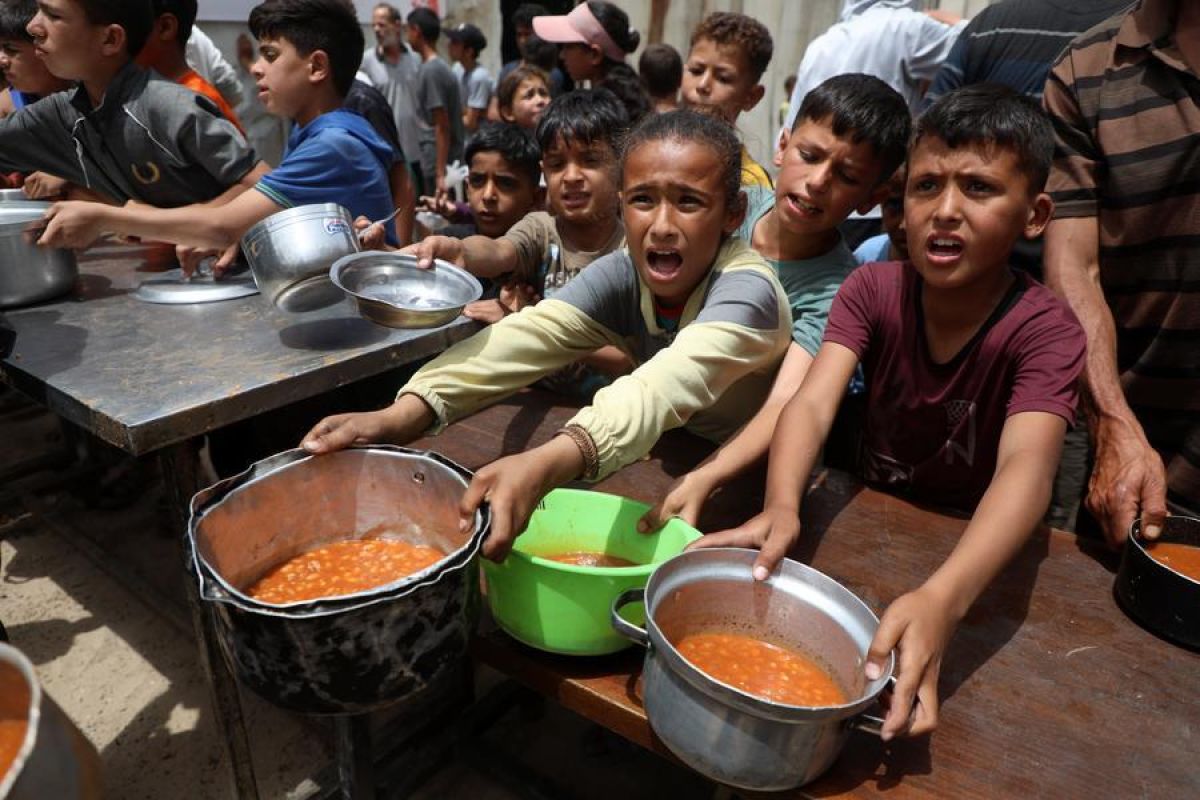
United Nations (UN) – A lack of funding is hampering humanitarian operations in the occupied Palestinian territories, with consequences for an increasing number of people who are starving or deprived of access to essential services, a UN spokesperson said on Monday (18 May).
The 2026 appeal, which aims to raise more than US$4 billion to assist nearly three million people across Gaza and the West Bank, is currently only 12 percent funded, with US$490 million received to date, according to Farhan Haq, deputy spokesman for the UN secretary-general, at a daily press briefing, citing the UN Office for the Coordination of Humanitarian Affairs (OCHA).
One clearly visible impact is on food relief, Haq said, noting that in Gaza, the UN and its humanitarian partners run kitchens providing around one million meals per day, down from 1.8 million meals per day in February.
In addition to funding constraints, humanitarian operations are hampered by difficulties in importing essential spare parts, backup generators, and other equipment, as well as shortages of fuel and engine oil.
Moreover, humanitarian operations are constrained by restrictions on the activities of key partners, movement constraints within Gaza, and damaged infrastructure and roads, he added.
Meanwhile, military operations in Gaza continue to impact civilians. Over the weekend, UN field partners reported the displacement of more than 150 families from the eastern Khan Younis area and the eastern Gaza City. Families said they were fleeing because of tank movements or bombardments, Haq said.
Most of Gaza’s 2.1 million residents are still displaced, often in very alarming conditions, he said.
“Civilians must be protected at all times, and this includes allowing them to relocate to safer places where their basic needs can be met. They must also be allowed to return voluntarily when conditions permit,” Haq said.