
UN Diplomat Mohamad Safa Resigns, Exposes Alleged Nuclear Weapon Use Scenario Against Iran
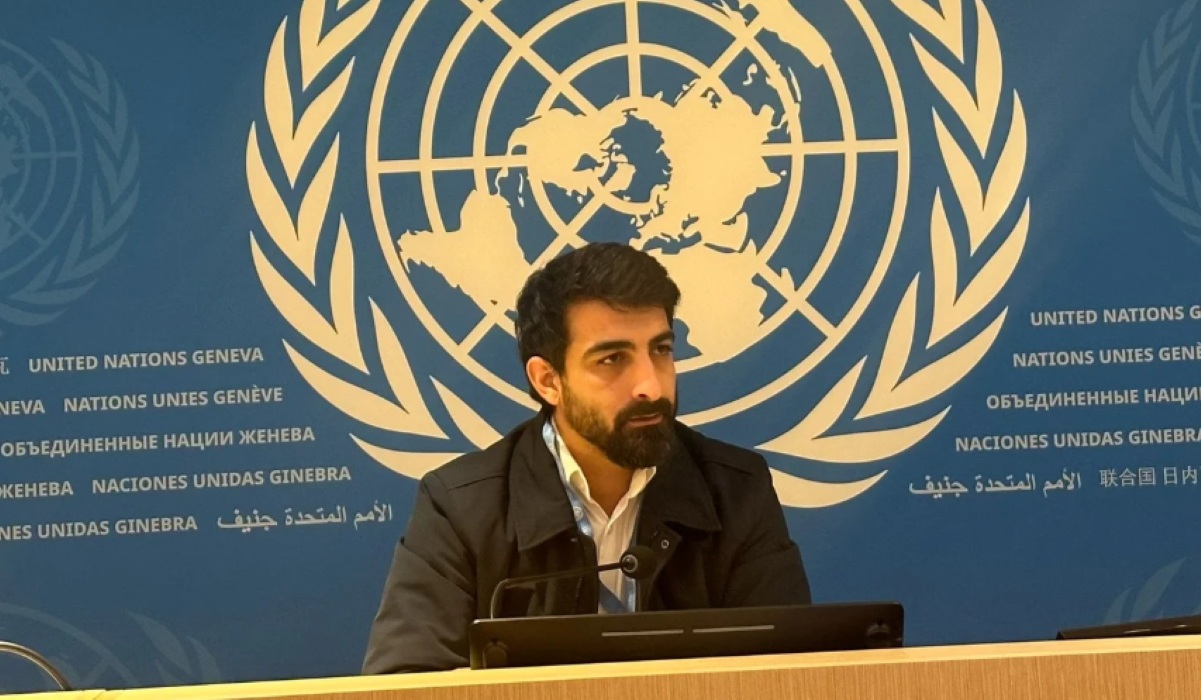
A United Nations (UN) diplomat, Mohamad Safa, unexpectedly announced his resignation on Friday (27/3). This step was taken as a form of protest and an effort to leak information regarding alleged preparations for a nuclear weapon use scenario against Iran by the international body.
Mohamad Safa serves as the UN representative for the Patriotic Vision Association (PVA), a non-governmental organisation holding special consultative status with the UN Economic and Social Council (Ecosoc). In his statement, Safa claimed that several senior UN figures now prioritise the interests of powerful lobbies over the organisation’s original mission.
Through a social media post featuring a photo of Iran’s capital, Safa reminded the world of the horrific humanitarian impact if a nuclear war were to occur. He emphasised that Tehran is a metropolitan city with nearly 10 million inhabitants, not merely an uninhabited desert region.
“There are families, children, and ordinary working-class people with dreams there. You are insane if you want war,” Safa asserted. He added that his decision to leave his diplomatic career was to avoid being part of or witnessing such a crime against humanity.
“Imagine bombing Washington, Berlin, Paris, London, or even further with nuclear weapons,” he said. “I think people do not understand how serious this situation is because the UN is preparing for the possibility of nuclear weapon use in Iran. I am leaving my diplomatic career to leak this information,” he added.
Safa’s concerns align with statements from World Health Organization (WHO) officials. WHO Regional Director Hanan Balkhy told Politico that her organisation is preparing for worst-case scenarios related to a nuclear disaster if the escalation between the United States, Israel, and Iran continues to intensify.
Balkhy stressed that a nuclear incident would bring intergenerational consequences lasting for decades. The WHO’s preparations include mitigation against attacks on nuclear facilities up to the possibility of direct nuclear weapon use.
In agreement, former Director General of the International Atomic Energy Agency (IAEA) and Nobel laureate Mohamed ElBaradei also issued a stark warning. “If you have crazy leaders and they feel they are losing, I do not rule out (the possibility of nuclear weapon use),” he told Middle East Eye.
“Should I completely rule it out? No. Do I pray every night that it does not happen? Yes,” he added.
On the other hand, international pressure has sparked internal debate in Tehran. Several Iranian politicians are beginning to voice calls for the country to withdraw from the Nuclear Non-Proliferation Treaty (NPT). This follows increased attacks on their civilian nuclear sites.
Ebrahim Rezaei, spokesperson for Iran’s parliamentary national security commission, stated that remaining in the NPT may no longer benefit Iran’s national security. For context, Iran has been a member of the NPT since 1970 and is legally bound not to develop nuclear weapons.
Iran, he added, has not responded to the United States’ (US) proposal nor submitted its own.
Foreign Minister of Iran Abbas Aragchi affirmed that Tehran is ready for war for six months and denied any negotiations with the US amid the regional conflict.
US President Donald Trump reportedly expressed anger towards Israeli Prime Minister Benjamin Netanyahu regarding an attack on Iran’s water desalination plant on Qeshm Island.
Prime Minister Netanyahu claimed that Arab countries are now seeking Israel’s help to form a military alliance against Iran.
Iran’s parliament will introduce a new navigation regime in the Strait of Hormuz. Tehran will ensure the safety of ship navigation while imposing transit fees.
Pope Leo XIV warned on Sunday (29/3) that God does not listen to the prayers of those who wage war, as the conflict in the Middle East continues on various fronts.
Prime Minister Benjamin Netanyahu continues to state that Israel is in a superior position in the ongoing conflict lasting about one month and assesses that Iran is increasingly pressured.