
UMY expert urges PLN to audit Sumatra's power grid post-blackout
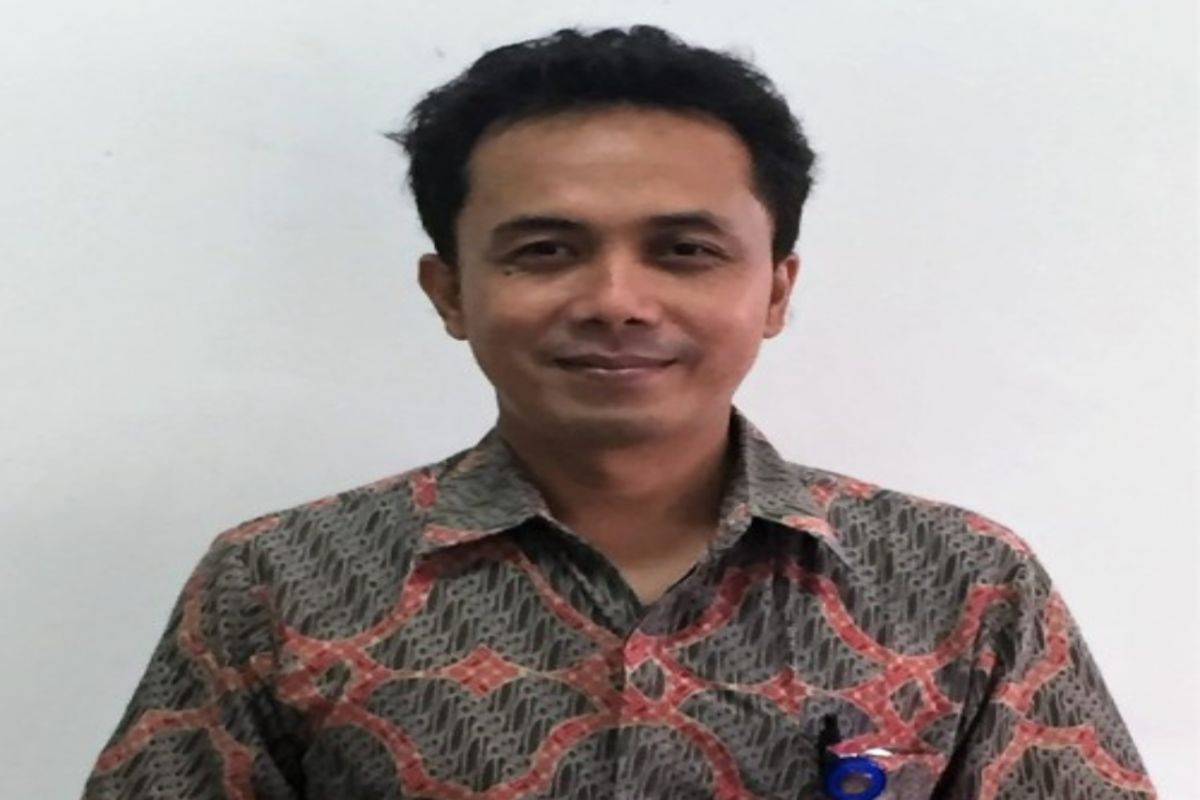
YOGYAKARTA (ANTARA) – UMY power systems expert Rahmat Adiprasetya Al Hasibi has stated that a thorough audit of Sumatra’s power grid protection system must be the first and most urgent step for PT PLN (Persero) following the massive blackout on 22-24 May 2026.
Rahmat, speaking in Yogyakarta on Friday, warned that without structured technical evaluations, Sumatra’s power system would remain vulnerable to recurring disruptions.
“The first and most urgent step is to audit the current protection system settings, followed by evaluating the frequency response schemes for each generator in Sumatra’s grid,” Rahmat said in a statement.
He added that PLN’s response must not stop at merely stating that similar incidents will not recur.
In the medium term, Rahmat urged the state-owned power company to conduct comprehensive inspections of transmission right-of-way (ROW) corridors – the safe zones along high-voltage transmission lines that must be clear of physical obstacles and vegetation.
“Such inspections are crucial, especially for transmission lines forming the backbone of Sumatra’s interconnected system,” he added.
PLN should also immediately re-simulate various major disruption scenarios, particularly during peak load conditions, to develop a more accurate risk map for preventive measures.
For the long term, Rahmat called for PLN to invest in advanced grid monitoring systems, such as Wide Area Measuring System (WAMS), which can monitor power grid conditions in real-time across vast geographical areas.
This technology allows operators to detect potential instability early before it escalates into uncontrolled large-scale disruptions.
He also stressed the importance of increasing the share of highly flexible power generation in Sumatra’s energy mix, such as hydropower (PLTA) and gas-fired plants (PLTG), which respond more quickly to load changes.
“If renewable energy penetration increases, system variability will grow. Therefore, we need flexible generation and adequate energy storage. This is no longer a choice that can be postponed,” Rahmat said.