
Umrah Pilgrims Stranded Due to Conflict, HIPMI Urges Government to Act
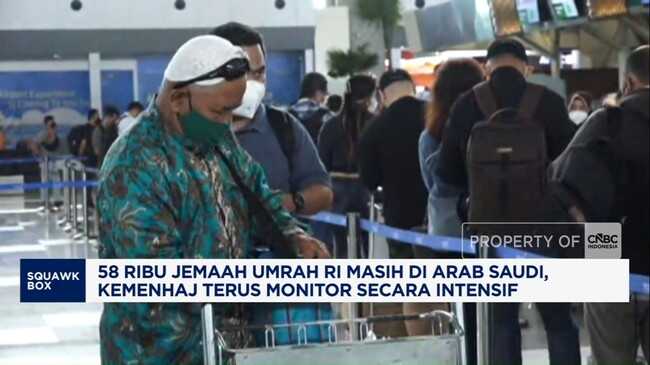
Jakarta, CNBC Indonesia – The geopolitical conflict in the Middle East region, which has led to restrictions and suspensions of several international flights, has caused many Indonesian Umrah pilgrims to be stranded and unable to return home as scheduled.
In response, Anggawira, Secretary General of the BPP HIPMI, expressed concern and asked the government to take steps that are more concrete and proactive.
‘We have not yet seen steps that are truly concrete and proactive to address the situation. If not addressed quickly and in a timely and coordinated manner, the number of stranded pilgrims will continue to rise and the costs borne will also swell,’ Anggawira said in a written statement on Thursday (5 March 2026).
According to reports from Umrah travel organisers and pilgrim communities, around 54 thousand Indonesian Umrah pilgrims are currently in the Holy Sites of Mecca and Medina and potentially affected by flight disruptions due to the escalation of the conflict in the region.
Anggawira noted that the situation is made more difficult because it occurs during Ramadan, when hotel occupancy in Mecca and Medina rises significantly, and accommodation prices are higher than in normal months.
‘If the delays in repatriation persist for long, additional costs for hotels, meals, and pilgrims’ needs will clearly keep rising. In such a situation the entire burden of the extra costs should not be borne by the pilgrims themselves,’ he said.
He added that HIPMI is also highlighting the spike in air ticket prices in the last few days. Referring to a ticket booking app, one-way Jeddah–Jakarta economy class tickets on Garuda Indonesia, which normally range around Rp7-8 million, have risen on some schedules to around Rp18-20 million per ticket.
Ultimately, the price surge could burden pilgrims if there is no immediate government regulation and oversight.
HIPMI urged the government to quickly coordinate with national carriers such as Garuda Indonesia, Lion Air, and Batik Air to assist by adding flight schedules or providing extra flights to speed up the repatriation of stranded pilgrims.
In addition, the government should set price caps in emergency conditions and strengthen supervision to prevent pricing practices that harm pilgrims.
Moreover, HIPMI regards this incident as an important lesson in the governance of Umrah pilgrimage travel going forward. There must be a stronger protection scheme, including travel insurance components that can cover force majeure such as geopolitical conflicts, airspace closures, or disruptions to international flight operations.
‘Indonesia is a country with the largest number of Umrah pilgrims in the world, with more than 1.5 million pilgrims each year. Therefore crisis-mitigation mechanisms for pilgrims must be prepared more thoroughly so that in emergencies the country can provide maximum protection,’ he said.