
UMM Sociologist Warns of New Social Conflicts Arising from Global Energy Crisis
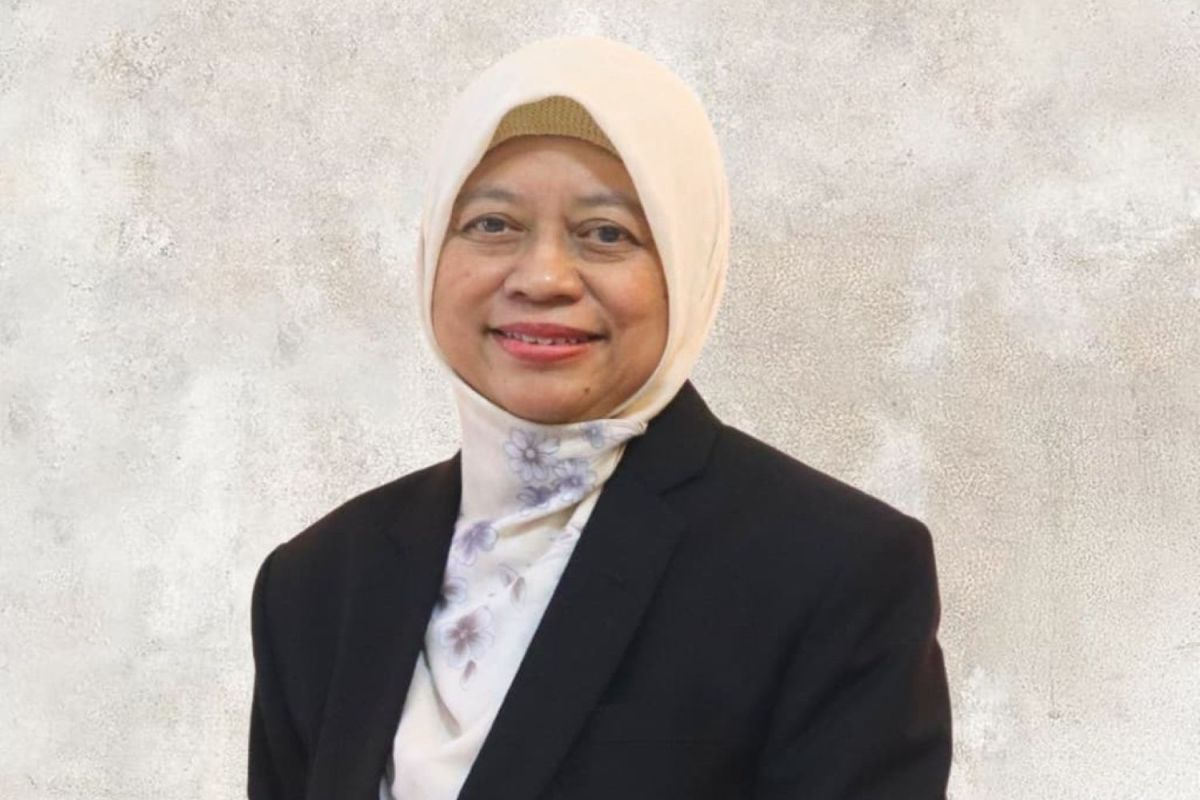
Expert in Sociology from the University of Muhammadiyah Malang (UMM), Prof Vina Salviana Darvina Soedarwo, has warned of the potential emergence of new social conflicts due to the global energy crisis. The wave of the global energy crisis presents Indonesia with difficult policy choices. Discussions on implementing work from home (WFH) for civil servants (ASN) and private sector workers have emerged as a fuel-saving strategy. “However, this policy raises questions about whether WFH is truly an efficient solution or merely shifts the energy burden from offices to homes while opening new avenues for inequality,” Vina stated in Malang, East Java, on Thursday. Vina assesses that the WFH policy arising amid current energy pressures could become a symbolic solution if not accompanied by a comprehensive policy package. From a sociological perspective, she said, the shift in the function of homes to workspaces is no longer a major issue. Society has experience adapting since the pandemic. However, new risks arise in field practices that could deviate from the initial energy-saving goals. “What is concerning is that those who should be WFH might instead turn to work from anywhere (WFA). When working in cafes or other public places, they still use motor vehicles, so the goal of saving fuel consumption is not achieved,” she said. She added that the shift in workspace automatically transfers the energy consumption burden from corporations to households. Costs for electricity, internet, and work-supporting needs increase at the family level. “The government needs to design a complete policy package, for example, combining WFH with special subsidies for lower-class workers. Our country is also not fully ready to switch to renewable energy on a massive scale,” she said. Meanwhile, she continued, WFH also has the potential to trigger social jealousy. Field workers do not have the option to work from home, while UMKM actors around office areas lose daily consumers. If not anticipated, this situation could widen the economic inequality gap. Vina emphasised that the government needs to prepare transparent professional guidelines and consider digital infrastructure disparities between regions. Without clear communication, the WFH policy risks sparking horizontal conflicts in society. “WFH can be a solution, but without fair and comprehensive policy design, it has the potential to create new social problems,” she said.