
Ukraine halts Druzhba oil pipeline flow citing political reasons
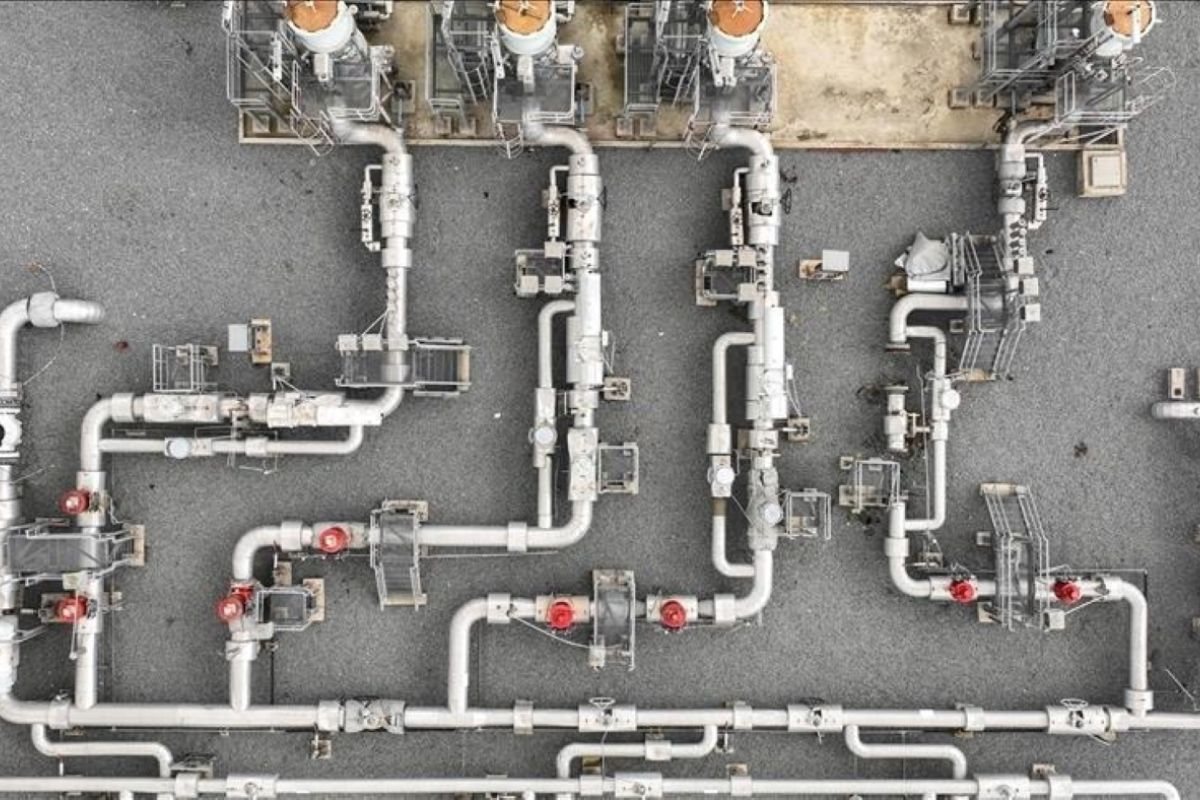
Moscow — Ukraine has made a “political decision” to halt oil flows through the Druzhba pipeline, demonstrated by Kyiv’s rejection of an EU fact-finding mission to assess alleged damage to the critical pipeline, according to Hungarian Foreign Minister Peter Szijjarto on Monday.
“It has become abundantly clear that there are no technical or physical reasons why oil supplies cannot be resumed to Hungary through the Druzhba pipeline,” Szijjarto told reporters ahead of an EU foreign ministers’ meeting in Brussels.
“This is purely a political decision. We, Slovakia, and even the European Union have proposed a fact-finding visit to assess the actual condition of the pipeline. All of these proposals have been rejected,” Szijjarto added.
On 27 January, Ukraine halted Russian oil flows to Hungary and Slovakia through its territory. In response, Hungary blocked the EU’s 20th sanctions package against Russia and a €90 billion (US$104 billion) loan to Kyiv.
The Hungarian foreign minister also stated that the European Union will “get nowhere” with a refusal to engage with Russia.
He further stated that the restoration of diplomatic relations with Moscow would represent “a major step forward.”
“Closing communication channels means abandoning hope for peace. If more parties say that communication channels should remain open, then hope for peace will also increase,” Szijjarto said.
Previously, Finnish President Alexander Stubb called for dialogue with Russia.
French President Emmanuel Macron stated in December that Europe would benefit from reopening dialogue with Russian President Vladimir Putin.
The Druzhba pipeline (Friendship Pipeline) is one of the world’s longest crude oil networks, operating since 1964 to transport oil from Russia to Eastern and Central Europe.
The pipeline stretches over 4,000 kilometres, supplying countries such as Belarus, Ukraine, Poland, Hungary, Slovakia, and Germany, and serves as a vital route for Central Europe’s energy security.
The Druzhba pipeline transports oil from Western Siberia in Russia through two main branches (North and South) with a capacity of more than 2 million barrels per day, although it now operates below full capacity due to European sanctions.