
UI's Vocational Education Programme Drives Physiotherapy Transformation Across Asia Through Technology
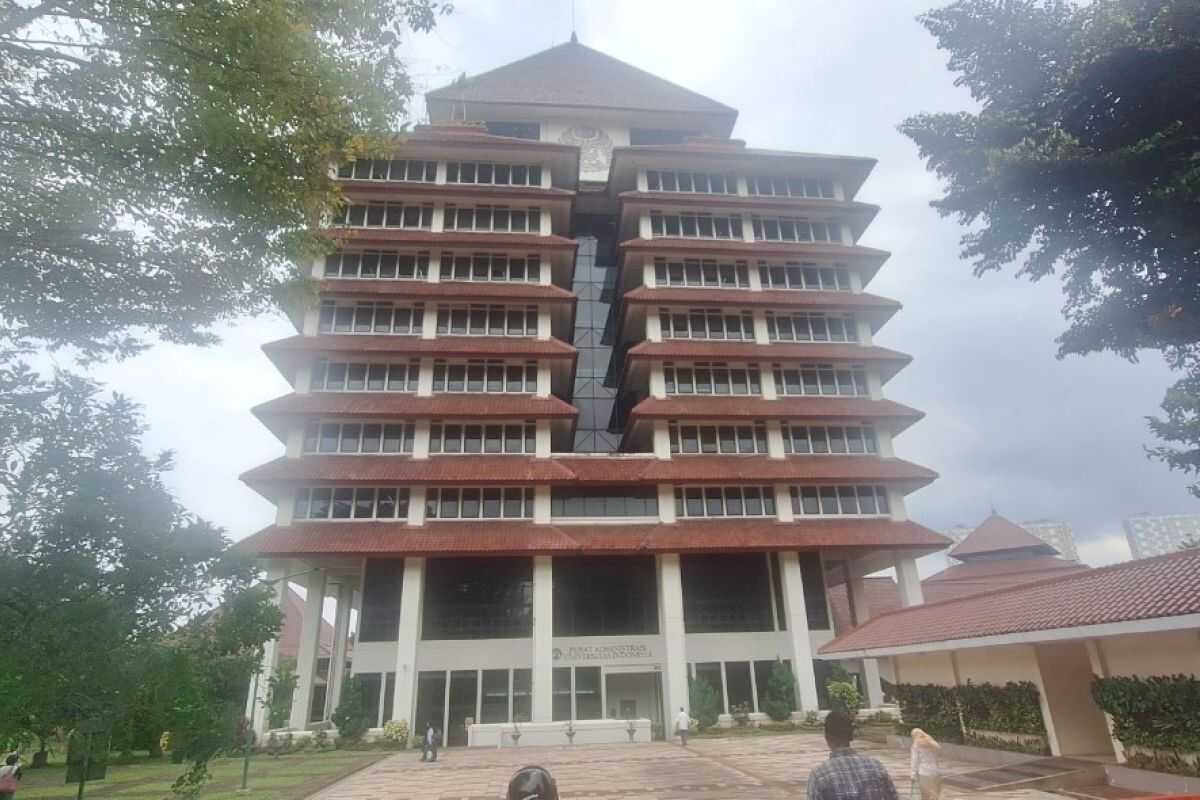
Depok – The University of Indonesia’s (UI) Vocational Education Programme is driving the transformation of physiotherapy across Asia through technology and global collaboration by hosting the 3rd Asian Physiotherapy Network Conference (APNC) 2026.
The forum serves as a meeting point for physiotherapy practitioners, researchers, and academics across Asia to design the future of evidence-based and technology-driven practice.
Badrul Munir, Deputy Director for Education, Research, and Student Affairs at UI’s Vocational Education Programme, emphasised that the conference forms part of the institution’s internationalisation strategy. “APNC is an important platform for strengthening research culture and expanding global academic networks. UI’s Vocational Education Programme is committed to encouraging students and lecturers to actively participate in international academic networks to produce impactful scientific works that are relevant to community needs,” he stated.
Multiple sclerosis (MS) has multidimensional impacts on motor, sensory, cognitive, and psychological functions, requiring comprehensive and integrated rehabilitation approaches. A major issue in MS treatment is fatigue, experienced by over 80 percent of patients. Fatigue is not merely ordinary tiredness but relates to disruptions in the central nervous system circuit (cortico-striato-thalamo-cortical loop) that affects cognitive functions such as planning and decision-making.
Minimum exercise sessions of 40 minutes represent an important therapeutic active dose for promoting neuroplasticity and motor improvement. Exercise duration and intensity are directly linked to increases in Berg Balance Scale (BBS) scores of up to an average of four points, which is clinically meaningful in reducing fall risks.
“Cross-border physiotherapy research collaboration, such as that being built through APNC, directly contributes to achieving the Sustainable Development Goals (SDGs), particularly Goal 3 on Good Health and Well-Being through improving evidence-based rehabilitation service quality, and Goal 4 on Quality Education through strengthening higher education and international research,” the official explained.
The collaborative Asian network also aligns with Goal 17, Partnerships for the Goals, by building strategic partnerships for the advancement of science and public health. The development of rehabilitation technology, research integration, and academic capacity enhancement represent long-term investments in an inclusive and sustainable healthcare system.
Through hosting the 3rd APNC 2026, UI’s Vocational Education Programme continues to position itself as an active participant in collaborative physiotherapy transformation across Asia, remaining adaptive to scientific and technological developments whilst consistently prioritising evidence-based practice to improve patient quality of life at regional and global levels.