
UI Researchers: Hanjuang Plant as Preventative Against Tooth Decay in Children
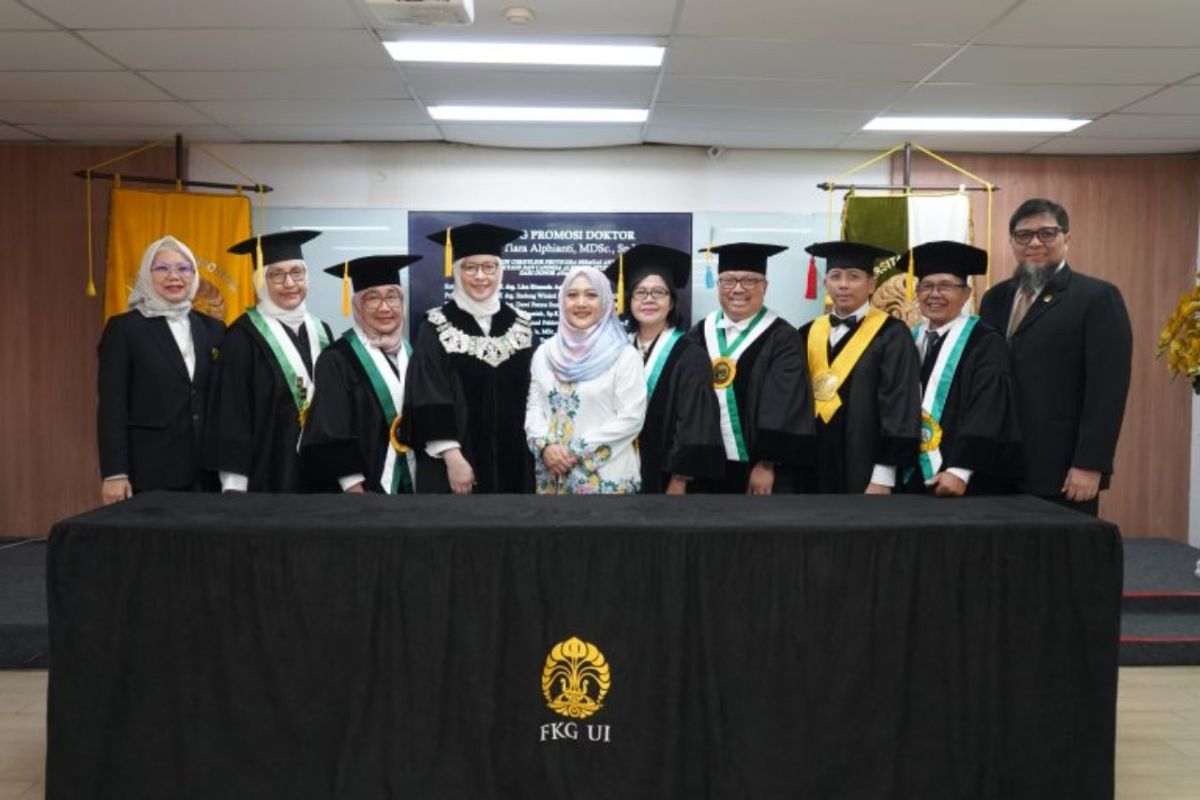
Depok — Researchers from the Faculty of Dentistry at the University of Indonesia (UI FD) have identified the potential of the ornamental plant Cordyline fruticosa, commonly known as hanjuang, as a natural ingredient to help prevent dental caries in young children.
Dr. Likky Tiara Alphianti, a researcher at the UI campus, stated on Tuesday that she had conducted an exploration of the potential of Cordyline fruticosa leaves, which have long been recognised as possessing antimicrobial activity.
“The research tested the ability of extracts and fractions derived from this plant’s leaves in inhibiting the growth and biofilm formation of two primary microorganisms that cause cavities in children: the bacterium Streptococcus mutans and the fungus Candida albicans,” she said.
She noted that a series of laboratory tests demonstrated that extracts and fractions of Cordyline fruticosa leaves were able to inhibit the growth of both microorganisms at certain concentrations.
Furthermore, safety testing showed that this natural material exhibited low to moderate toxicity levels to body cells, thereby demonstrating good safety potential within certain limits of use.
The research also discovered that hanjuang leaf extract not only inhibited microorganism growth but was also capable of reducing biofilm formation—the sticky layer that serves as the precursor to plaque and tooth decay.
Additionally, the extract was proven to influence the expression of genes involved in the biofilm formation process.
Based on these findings, it was concluded that extracts and fractions of Cordyline fruticosa leaves have potential to be developed as natural antibiofilm agents to help prevent dental caries in young children.
Professor Lisa Rinanda Amir, Dean of the UI Faculty of Dentistry, expressed appreciation for the academic achievements and scientific contributions generated through this research.
“This research demonstrates how dental science continues to advance through research-based innovation, including the utilisation of Indonesia’s natural resources. We hope that this discovery can be an initial step in developing cavity prevention materials that are safer, more affordable, and beneficial for children’s dental health,” said Prof. Lisa.
The UI Faculty of Dentistry reaffirmed its commitment to promoting research relevant to community needs, whilst providing innovative solutions to dental and oral health problems in Indonesia.