
UI Researcher: "Governance Reset" by Danantara Represents Strategic Repositioning of State-Owned Enterprises
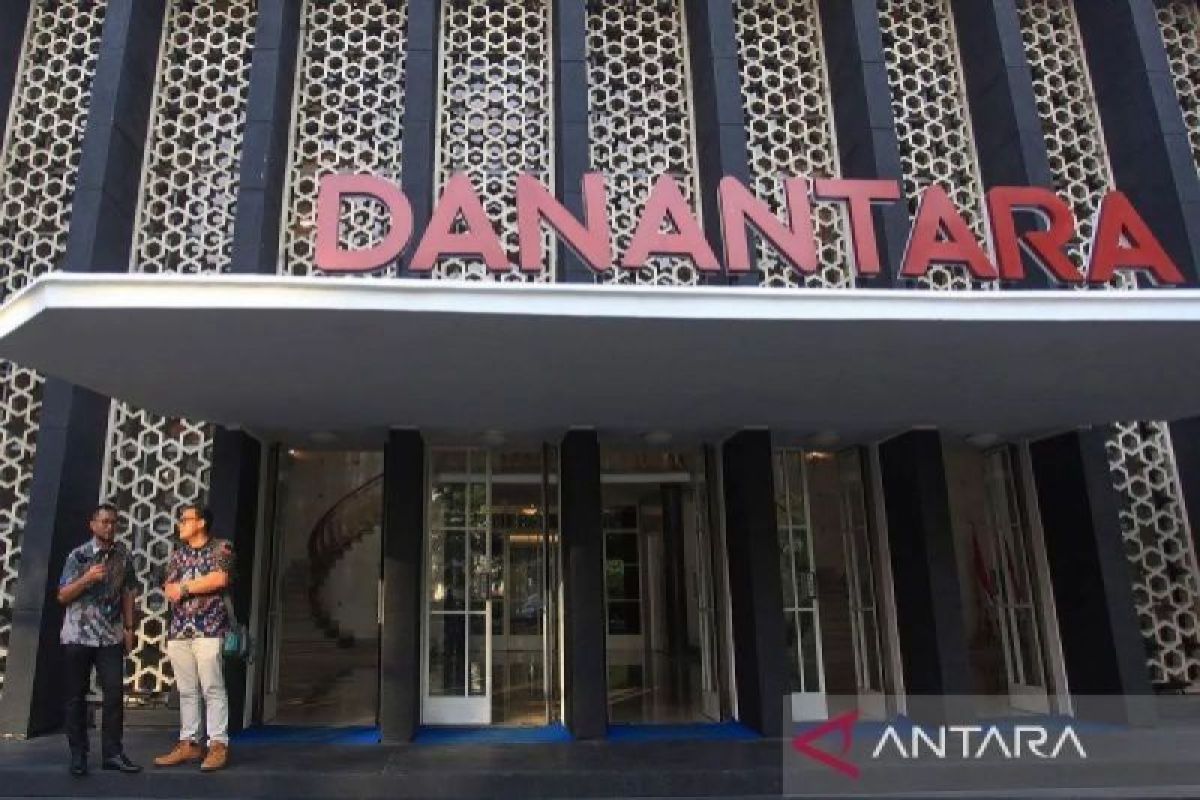
Jakarta — Mohamad Dian Revindo, a researcher at the Institute for Economic and Social Research (LPEM) at the Faculty of Economics and Business, University of Indonesia, views the governance reset undertaken by Danantara Indonesia for state-owned enterprises as an opportunity for strategic repositioning in the long term. This is particularly important to ensure the state retains effective control over strategic sectors that affect public welfare, such as energy, infrastructure, food and logistics.
According to statements received in Jakarta on Monday, Revindo considers the governance reset as a positive initiative that could form the foundation for a transformation process to create SOEs that serve as instruments of national development. When Danantara Indonesia conducts a comprehensive review of SOE governance policies, he believes the move will also attract market attention, particularly regarding confidence in whether SOEs can remain consistent with international standards whilst emphasising transparent processes.
If Danantara Indonesia carries out the reset whilst upholding transparency, Revindo is optimistic that this governance reset can enhance SOE credibility in the eyes of investors and rating agencies. Conversely, if the changes are perceived as cosmetic efforts to improve financial reports, it could trigger market uncertainty. “For this reason, alignment with global standards and transparent public communication are key,” he stated.
In the short term, Revindo considers actions such as balance sheet and financial statement reviews, or asset audits, as corrective measures to address long-standing SOE problems, including asset inefficiency, overlapping investments, and uneven governance quality across companies.
He noted that Danantara Indonesia is conducting a governance reset covering management incentive systems, supervision mechanisms and performance indicators based on value creation, ensuring that changes are not merely structural and administrative reorganisations. If limited to structural and administrative changes, Revindo fears internal resistance will emerge. “If changes are only administrative in nature, resistance will persist. However, if reform creates clearer and more professional incentives, adaptation typically occurs gradually. Various studies show that transformation success depends greatly on changes to management incentive and accountability systems,” Revindo said.
Earlier, Danantara Indonesia announced plans to conduct a governance reset for several SOEs. Through its Danantara Asset Management (DAM) entity, the governance reset will focus on comprehensive and structured examination of SOE companies. This process includes evaluating accounting policies, asset quality and recording, strengthening governance systems and integrated risk management to ensure increasingly robust management standards aligned with best practices.