
UI FEB LM Study Indicates Hormuz Crisis Tests Resilience of Several SOEs
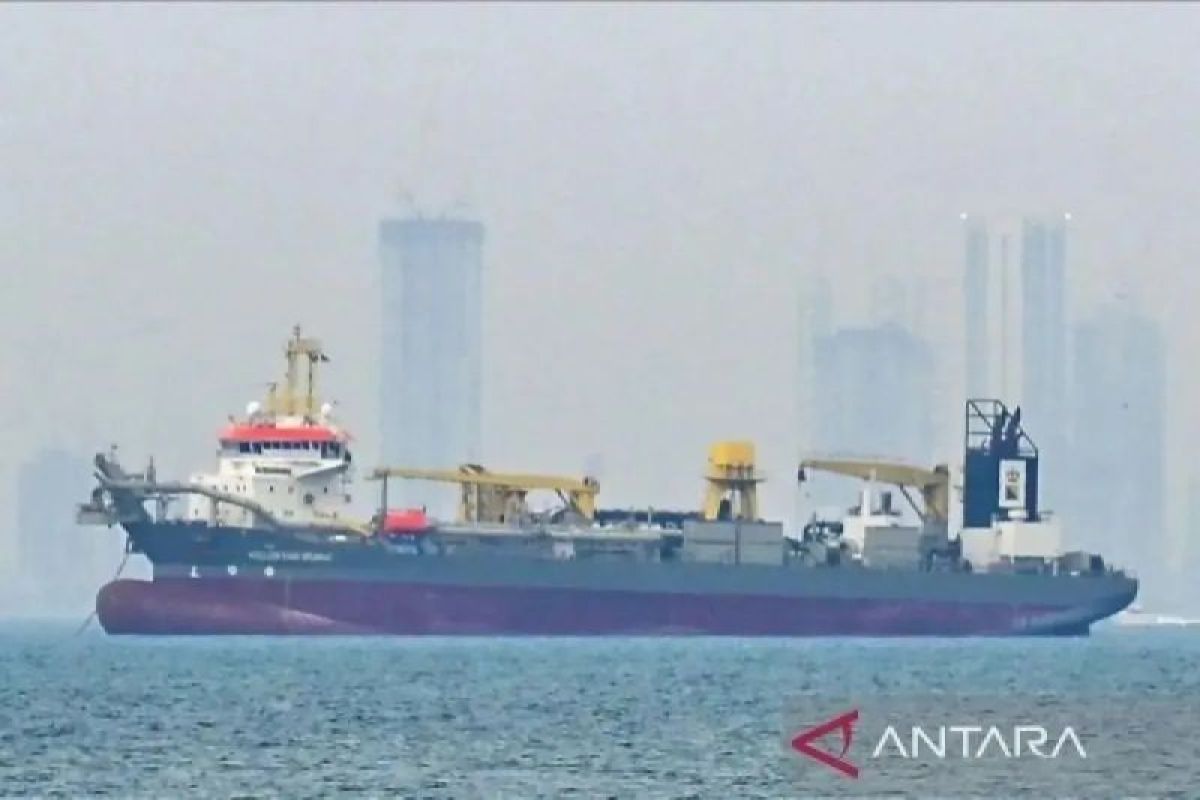
One key finding from this study is that the impact of geopolitical turmoil on SOEs is asymmetric, meaning not all SOEs are affected in the same way.
Jakarta (ANTARA) - The BUMN Research Group (BRG) of the Management Institute at the Faculty of Economics and Business, Universitas Indonesia (LM FEB UI), assesses that the geopolitical crisis in the Strait of Hormuz region in 2026 will test the resilience of several SOEs.
This crisis triggers uneven impacts on the performance of each SOE. The study results show that not all SOEs are negatively affected by the surge in global energy prices; some even stand to gain.
“One key finding from this study is that the impact of geopolitical turmoil on SOEs is asymmetric, meaning not all SOEs are affected in the same way,” said Managing Partner of BRG LM FEB UI, Toto Pranoto, in a written statement in Jakarta on Saturday.
In the policy study titled Resilience of SOEs Facing Geopolitical Risks: Stress Test of the 2026 Strait of Hormuz Crisis, it is explained that the group of SOEs most pressured are those with high dependence on energy imports, exchange rates, and raw materials from abroad.
Energy companies like Pertamina face a heavy burden from oil imports amid a global price surge, while PLN faces pressure from US dollar-based electricity purchase contracts and the gap between the cost of production and electricity selling tariffs.
In addition, the transportation sector is also significantly impacted. Airlines like Garuda Indonesia, for instance, experience operational cost pressures due to rising aviation fuel prices, which is a major component of business expenses.
“ASDP, BUMN Karya, Pupuk Indonesia, and several other entities also feel the pressure through different channels, ranging from increases in asphalt and construction raw material prices to disruptions in the fertiliser supply chain,” said Toto.
On the other hand, Toto noted that there is a group of SOEs that actually benefits from the situation, particularly those operating in the export commodities sector.
Coal companies like Bukit Asam benefit from the rise in global energy prices, while the palm oil (CPO) sector enjoys increased competitiveness of biodiesel as oil prices become more expensive.
The palm oil sector tends to gain windfalls when energy prices rise, as CPO-based biodiesel becomes more competitive.
Then, mining companies like Freeport Indonesia and the mining industry holding MIND ID also benefit from rising prices of minerals such as copper and gold.
Toto explained that this asymmetric pattern shows that the SOE portfolio managed by Danantara actually has the potential for a natural hedge, whereby gains from one group can help offset pressures on another group.
However, the study also notes that this potential can only be optimised if there is an appropriate coordination mechanism at the holding level. Currently, according to BRG findings, such mechanisms are not yet fully in place.
“This natural hedge potential exists, but it is not yet fully managed because cross-SOE allocation and coordination mechanisms are still limited,” he said.
In the study, BRG also highlights the pressure on the State Revenue and Expenditure Budget (APBN) due to a surge in world oil prices exceeding the base assumption.
With an oil price assumption of around 70 US dollars per barrel in the 2026 APBN, a rise to above 90 US dollars could potentially increase the burden of energy subsidies and compensation.
As mitigation steps, BRG recommends 10 measures divided into three time frames.
In the short term (0–6 months), the study recommends four steps: gradual diversification of crude oil supply sources while considering the technical compatibility of domestic refineries, increasing fuel reserves capacity through bilateral emergency reserve cooperation, developing commodity energy price hedging capacity, and establishing a resource allocation mechanism at the Danantara level.
For the medium term (6–36 months), recommendations include gradually building strategic oil reserves, reforming the fuel price mechanism to be more responsive to market conditions, accelerating the completion of domestic refinery projects, and strengthening PLN’s foreign exchange risk management.
Cross-sectorally, the study also proposes the establishment of a Commodity Stabilisation Fund by Danantara as a buffer fund to hold revenues when commodity prices are high and to be used during crises, as well as conducting periodic stress tests on the SOE portfolio.
“Strengthening coordination at the holding level and stabilisation instruments is key to making SOEs more resilient to global geopolitical turmoil,” said Toto.