
UI Analyst: US-Iran MoU Could Ease Tensions, Israel Left Sidelined
The United States and Iran have officially signed a Memorandum of Understanding (MoU), establishing a foundation for both nations to continue diplomatic processes and discuss various strategic issues that have long been sources of tension.
The Chair of the US Regional Studies Centre at the University of Indonesia (UI), Suzie Sudarman, believes the agreement has the potential to ease the conflict that has been overshadowing the Middle East region. According to her, the primary focus currently lies on the possibility of reopening the Strait of Hormuz, which serves as a vital route for global energy trade.
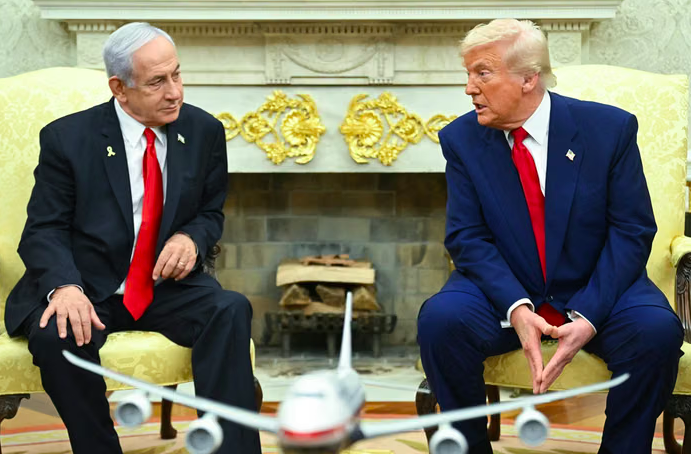
“It is clear that everyone is waiting for the reopening of the Strait of Hormuz. Israel has been left behind by President Trump and is unable to function alone without him,” Suzie stated when contacted by Media Indonesia on Thursday.
She assessed that Iran has obtained the interests it has long desired through this agreement. On the other as well, both countries have the opportunity to claim their respective diplomatic successes. “Iran obtains what it needs, and both countries can declare victory,” she said.
Regarding which party stands to benefit or lose most from the MoU—in terms of geopolitics, regional security, and global economic interests—Suzie believes both the US and Iran stand to gain. “While both the US and Iran obtain what they want, Israel is the one being cast aside,” she remarked.
According to Suzie, Israel’s position is the most impacted by the agreement because it faces the potential loss of the full support previously provided by Washington in facing Iran.
Regarding the future sustainability of the MoU, including potential changes in political leadership in both the US and Iran, Suzie believes there is a significant chance for the agreement to endure. She emphasised that a memorandum of understanding is a common diplomatic instrument used in international relations.
“MoUs are frequently created; even if they do not culminate in a formal treaty, they remain secure because the US is more concerned about Iran’s actions than Iran is fearful of the US,” she noted.
She concluded that the strategic interests of both nations will be a primary determinant in maintaining the continuity of communication and diplomacy established through the MoU.