
UGM expert: Measles case surge in Indonesia can still be controlled
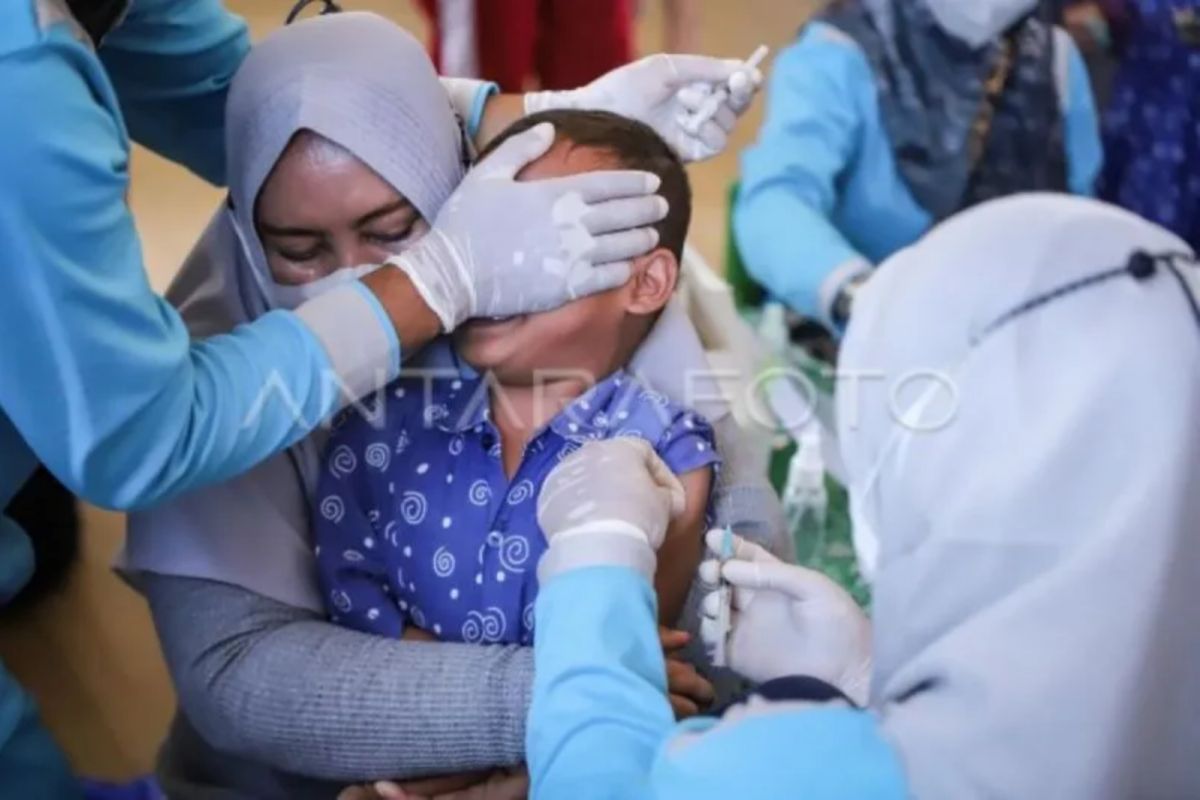
Yogyakarta (ANTARA) - Ratni Indrawanti, a pediatric health expert at Universitas Gadjah Mada (UGM), said the surge in suspected measles cases in Indonesia can still be contained through strengthened surveillance, rapid case management, and expanded vaccination coverage. The Indonesian Health Ministry reported 8,224 suspected measles cases in the period from 1 January to 23 February 2026. ‘From 8,000 cases this situation is indeed serious and must be handled with seriousness. However as long as the cases can be managed with good surveillance, rapid case management, and increased vaccination coverage, it can still be controlled and will not trigger a health emergency,’ Ratni said in a statement in Yogyakarta on Sunday. According to Ratni, the increase in measles cases is partly influenced by the decline in vaccination coverage in society. In addition, misinformation about vaccines on social media also affects public trust in immunisation. Ratni emphasised that measles should not be regarded as a mild disease because it can lead to serious complications such as pneumonia or lung inflammation and even death. ‘Many people trivialise measles. In fact, if not properly addressed, this disease can cause complications such as pneumonia and even death,’ she said. She also reminded that delaying vaccination increases the risk of transmission because children who do not yet have antibodies can potentially transmit the virus to others nearby. Ratni explained that one child with measles can potentially spread the virus to up to 18 others. The measles virus can also remain in the air, especially in enclosed spaces, for up to about two hours after the infected person has left. ‘Transmission is very fast because measles virus travels through the air. In enclosed rooms, the virus can survive for up to two hours and pose a risk of transmission to others nearby,’ she said.