
UGM Biology Dean: Indonesia’s marine exploration has not yet reached 15 percent
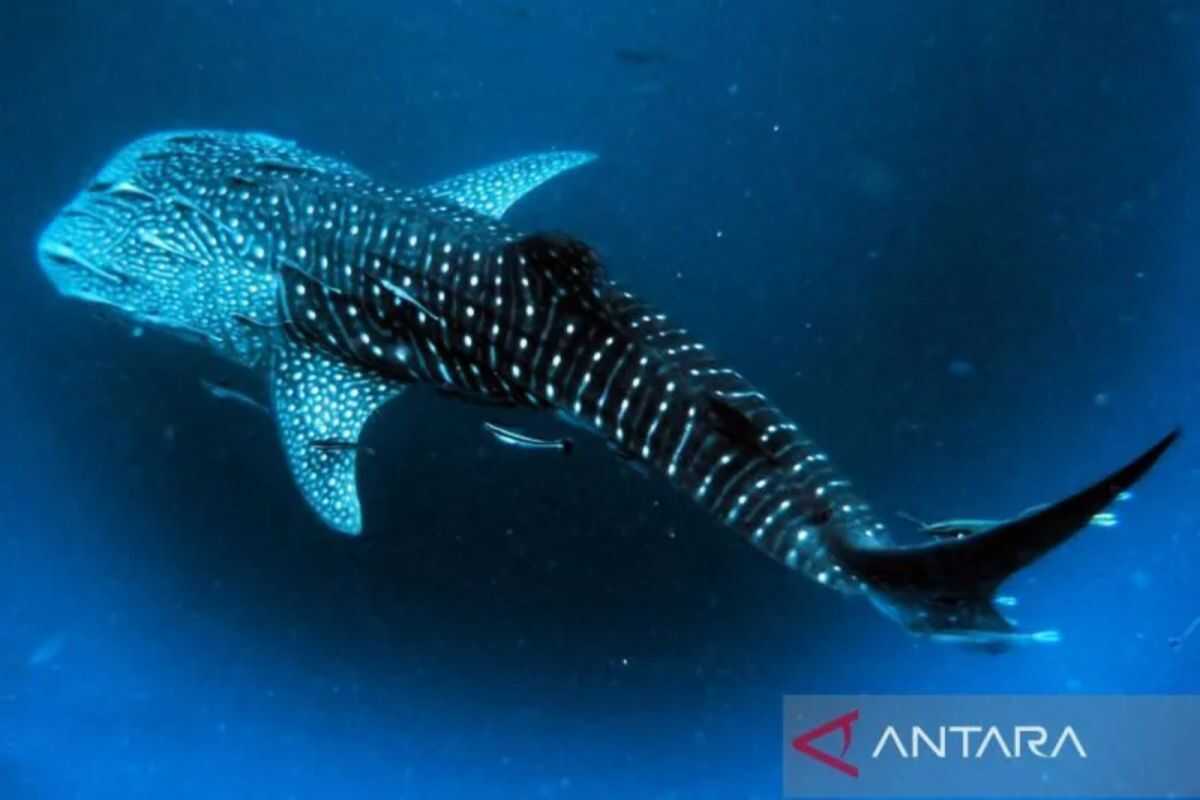
Yogyakarta, ANTARA — Dean of the Faculty of Biology at Universitas Gadjah Mada (UGM), Prof Budi Setiadi Daryono, said Indonesia’s marine exploration to date has not reached 15 percent of the total potential of its water territories. He noted that maritime data are valuable for recognising the potential of marine resources across regions. ‘Maritime data are highly valuable. Indonesia’s seas that have been explored are less than 15 percent,’ he said in a statement from Yogyakarta on Thursday. With two-thirds of the area consisting of waters, much of the biodiversity resides in marine zones, though that potential has not been fully explored optimally. According to him, several marine animals are at risk of extinction due to hunting and population declines. Therefore, the government has established protection for several rare animals, including six turtle species, the dugong, the whale shark, manta ray, hammerhead ray, dolphins, kima, and Napoleon wrasse. Budi said the wildlife world is not only limited to terrestrial ecosystems but also includes ecosystems living in marine waters. The presence of wildlife in maritime areas is linked to the vulnerability of small islands that are its habitat. ‘The mindset in viewing development should shift from a focus on per-capita income targets to empowerment for all parties while maintaining wealth and biodiversity,’ he said. He noted that Indonesia’s maritime culture has been degraded due to centralised education in urban areas, while the sea is a source of food, part of the economic chain, and a future for an archipelagic nation like Indonesia. ‘A nation will succeed if its education system advances. Whether at family, regional, or national level. A country that advances will certainly prioritise education so that science and nature can progress together,’ he added. Budi highlighted the importance of funding for research to generate data that can be used to identify the potential of the sea in a region. According to him, extraction of marine resources is often carried out by external parties that threaten local food supplies. Therefore, he believes coastal communities should be encouraged to have access to knowledge and data so that they can independently map the maritime potential in their area. ‘That will be one of the solutions,’ he said.