
Udayana University Researchers Discover Fuel Contamination in Mangrove Soil at Benoa, Bali
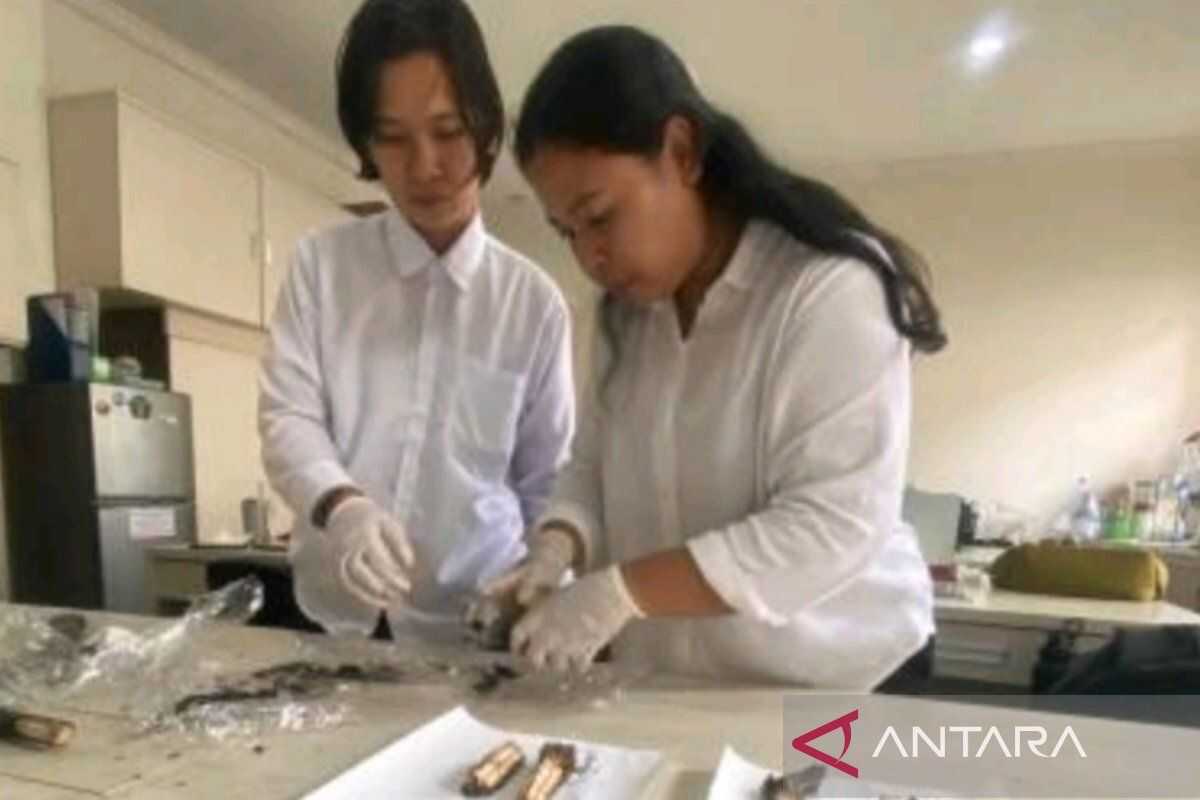
A research team from the Agricultural Hospital of Udayana University (Unud) has tested soil samples from mangrove areas in Benoa, Denpasar, Bali, and identified 41 hydrocarbon compounds or petroleum substances, the majority of which are found in fuel products.
“We can conclude that the mangrove soil samples are positively contaminated by petroleum waste, particularly diesel,” said Dr Dewa Gede Wiryangga Selangga, the research team coordinator, in Denpasar on Friday.
Testing was conducted on 24–26 February using Gas Chromatography-Mass Spectrometry (GC-MS) analytical methods to identify and determine the composition of chemical compounds in the samples, particularly volatile or semi-volatile compounds.
From soil samples collected in the affected area on the western side of the Bali Mandara Toll Gate entrance in Benoa, researchers detected 45 volatile compounds, of which 41 were hydrocarbon compounds. The compounds detected with percentage values above five per cent were n-Hexadecane at 5.79 per cent, n-Heptadecane (7.65 per cent), Pentadecane, 2,6,10-trimethyl (7.27 per cent), Pentadecane, 2,6,10,14-trimethyl (8.67 per cent), and n-Eicosane (5.42 per cent).
The hydrocarbon compounds detected in the mangrove soil samples are dominated by compounds with a carbon atom range of C15–C24, which strongly indicates diesel contamination.
In water samples, only one organic hydrocarbon compound—squalene, commonly found in shark liver, certain algae, and micro-organisms such as Escherichia coli—was detected. “Therefore, no hydrocarbon contaminants were found in the water samples tested,” the coordinator stated.
The dominant hydrocarbon compounds detected are fuel substances that have settled and accumulated in the soil, causing mangrove plants difficulty in absorbing water and other minerals. “As a result, over time the oil is absorbed by the plants and enters the cambium tissue; plant cells become damaged, leaves turn yellow and fall, plants become dry and die,” he explained.
The affected mangrove plants are located on an area of 6–60 are (600–6,000 square metres), ranging from intensively affected to scattered contamination zones. The research team, besides Dr Dewa Wiryangga, included Dr Listihani, Ni Nyoman Sista Jayasanti, Restiana Maulinda, Wafa’ Nur Hanifah, and Yuli Evrianti Br Raja Gukguk.