
Udayana Lecturer Highlights Suwung Landfill Restrictions: Residents at Risk of Diarrhoea and Leptospirosis
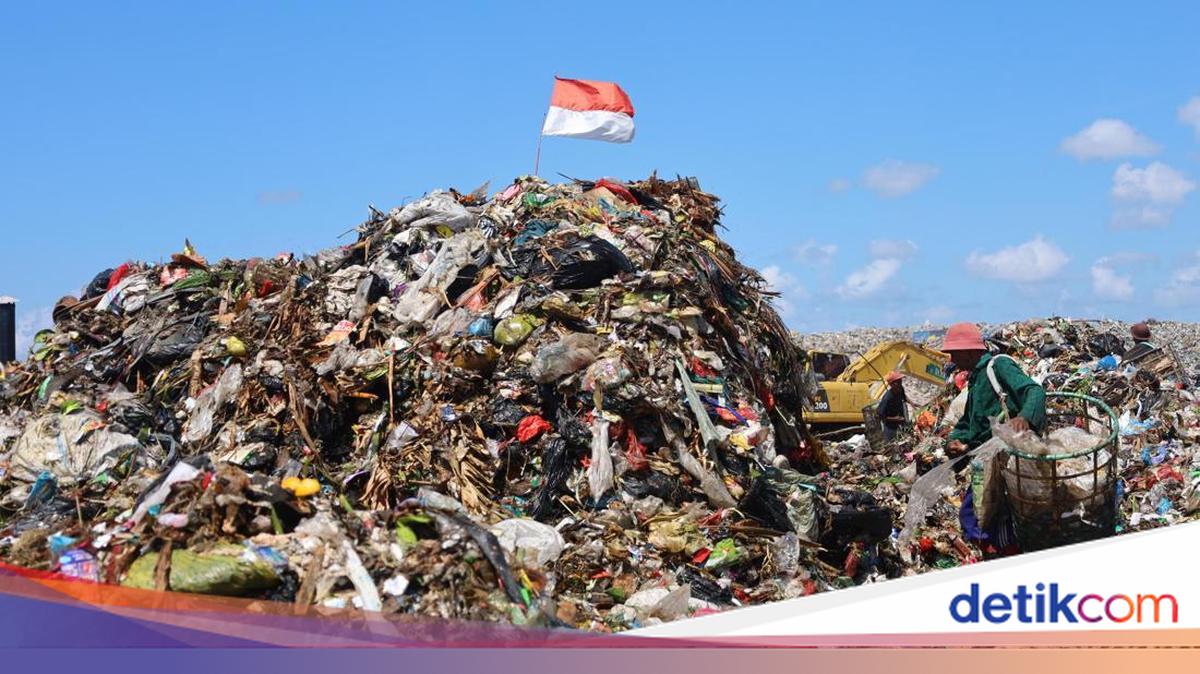
The policy of restricting waste transport to the Suwung landfill is causing rubbish to accumulate in residential areas and along roadsides. This situation is deemed risky to public health, especially in densely populated areas such as Denpasar, Kuta, and Badung.
“Around 60 percent of that is organic waste. The problem is that processing organic waste is not cheap and not easy,” said University of Udayana public health lecturer Sang Gede Purnama via telephone on Tuesday (21/4/2026).
He explained that piles of organic waste have the potential to trigger the emergence of diseases. Flies landing on food during the day and rats appearing at night can increase the risk of illnesses such as acute respiratory infections, diarrhoea, and even leptospirosis.
“Flies will land on food during the day. Rats will come out at night; this can cause acute respiratory infections, diarrhoea, and diseases like leptospirosis,” he added.
Moreover, with the current situation leaving people with no other options due to the accumulating waste, it has led to a new habit of burning rubbish. This new practice will worsen air quality and is particularly harmful to children and infants.
If this condition persists, he warns of the risk of rising diseases in densely populated areas and tourist regions. “If the rubbish continues to pile up, sanitation will deteriorate, and the risk of outbreaks will certainly increase,” he emphasised.
Government Policy Deemed Flawed
Sang Gede also assessed that the government’s policy of reducing the frequency of organic waste transport has not been matched with on-the-ground preparedness. Additionally, he noted that the provision of modern composters and pits is still difficult for the public to access.
“Making a modern pit costs between Rp 500,000 and Rp 1 million. Not to mention the shredding equipment and its maintenance,” said Sang Gede.
This factor is what leaves the public confused. As a result, uncollected waste piles up at homes or along roadsides.
He assessed that the existing policy does not align with field conditions, due to limited land and unaffordable costs.
“The public is asked to manage it themselves, but the land is limited and the system is not ready yet. That’s the problem,” he said.
“It should be that TPSTs are established in every region, complete with equipment, personnel, and budget. Don’t just tell them to sort without a clear transport system,” he explained.
To reduce health risks, he advised the public to manage organic waste independently, such as using simple composters or burying it in the soil. He also reminded them not to burn rubbish and to maintain environmental cleanliness.
“Food scraps can actually be managed at home, for example, using a simple composter or planting them in pots covered with soil. In the future, TPSTs need to be maximised and established in every village. Organic waste has value, so it can be collected and transported by officers,” said the public health lecturer.
“Cover food during the day, especially in eateries. Keep the environment clean and don’t burn rubbish,” he added.
He emphasised that waste management remains the government’s responsibility. “The government must ensure the system runs, not burden it entirely on the public. First ensure the system operates from upstream to downstream, not fully burdening the public,” he stated.