
UAE Stock Exchange Closed for Two Days Following Iranian Retaliatory Strike
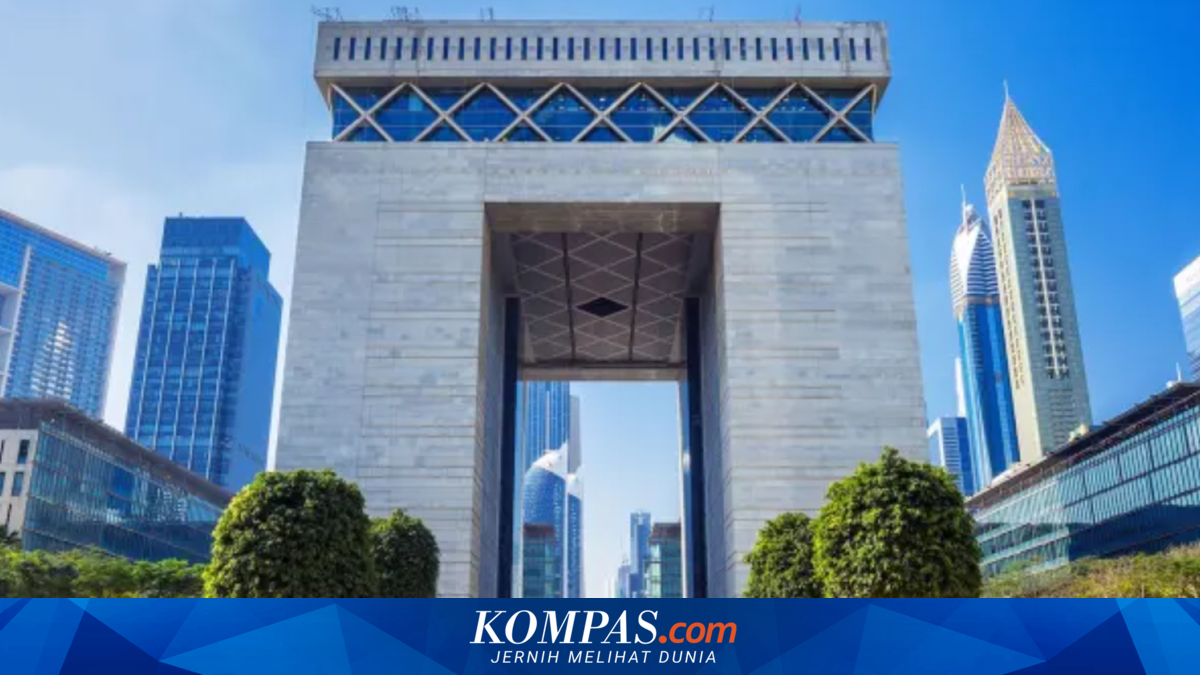
The stock market of the United Arab Emirates (UAE) will be closed for two days at the beginning of this week, following heightened tensions in the region after Iran’s retaliatory attack against US and Israeli military action.
According to Bloomberg reports on Monday, 2 March 2026, the UAE’s two major exchanges—Abu Dhabi Securities Exchange and Dubai Financial Market—will close on 2 and 3 March 2026.
The UAE Capital Markets Authority stated that this decision was made to prevent significant market turmoil following repeated Iranian missile and drone attacks on the Gulf state since Saturday morning, 28 February 2026.
Dubai and Abu Dhabi reportedly faced hundreds of missile and drone attacks from Iran. These strikes were a response to the combined US and Israeli air offensive against Iran on Saturday, 28 February 2026.
Most missiles and drones were successfully intercepted. Reported casualties were relatively limited, though some damage was recorded at various locations in both cities.
Nevertheless, the situation has triggered panic among residents and is viewed as a significant threat to the UAE economy, including its reputation as a stable financial, logistics, and tourism centre.
“The US-Israeli attack on Iran threatens demand for UAE property sales, risks disrupting the absorption of 350,000 new units in supply, and 120 million visits to Dubai Mall and the retail and hotel sectors,” researchers wrote in their analysis.
They added that UAE developers such as Emaar Properties are considered vulnerable, as are UAE banks with greater cyclical exposure.
For context, the combined market capitalisation of UAE stock exchanges reached $1.1 trillion, making it the world’s 19th largest stock market. The UAE market also holds 1.4 per cent weight in MSCI Inc’s emerging markets index.
One example occurred following the death of President Sheikh Khalifa bin Zayed Al Nahyan in May 2022.
Nevertheless, stock exchange closures amid uncertainty are not unusual in various countries.
Turkey, for instance, suspended trading for a week following the 2023 earthquake, and markets surged when it reopened. Russia also closed its market for approximately one month in 2022 following its invasion of Ukraine.
Meanwhile, in the Gulf region, Kuwait’s Capital Markets Authority stated that the country’s stock exchange will reopen on 2 March after suspending trading on Sunday.
Geopolitical tensions in the region have also triggered concerns in global commodity markets, particularly oil and gold prices, which tend to be sensitive to Middle Eastern conflicts.