
UAE Closes Stock Market for Two Days Following Iranian Attack
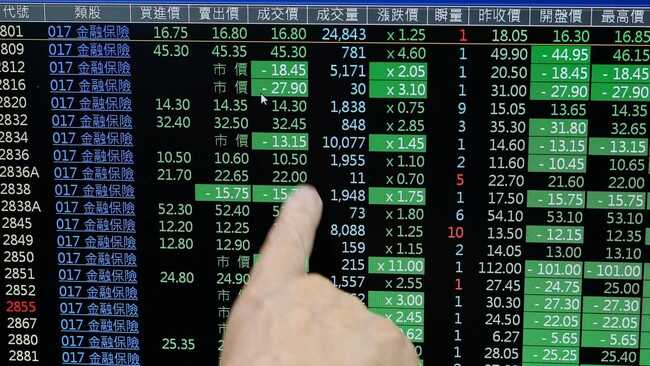
The United Arab Emirates has ordered the closure of its stock market on Monday and Tuesday of this week. This decision was made following the country being shaken by retaliatory missile and drone attacks from Iran, signalling escalating economic disruption affecting the Gulf.
The UAE Securities and Commodities Authority stated that the Abu Dhabi Securities Exchange and Dubai Financial Market will remain closed on 2 and 3 March, citing its supervisory and regulatory role over the country’s capital markets.
“The Authority will continue to monitor developments in the region and assess the situation continuously, taking further action if necessary,” it stated in a statement, according to Reuters, on Monday (2 March 2026).
Both UAE exchanges serve as listings venues for several of the most valuable companies in the region.
The closure leaves assets worth billions of dollars in suspension. This is because investors are awaiting clarity on the scale of damage from Saturday and Sunday’s attacks, which struck airports, ports, and residential areas across the UAE and the broader Gulf region.
Regional markets that opened on Sunday experienced sharp declines. Saudi Arabia’s benchmark index fell more than 4% on opening, Oman dropped 3% and Egypt’s main index fell 5.44%, whilst Kuwait suspended trading entirely.
The UAE stock exchange market capitalisation stands at US$1.1 trillion, making it the 19th largest in the world. The UAE stock market carries a 1.4% weighting on the MSCI Inc. benchmark emerging markets index.
All parties are advised to follow official channels of the UAE Securities and Commodities Authority, ADX, and DFM for the latest information on the resumption of trading.
This market closure is unusual for the country. Outside of regularly scheduled holidays, the UAE stock market is typically only closed during periods of national mourning, such as following the death of President Sheikh Khalifa bin Zayed Al Nahyan in May 2022.
However, it is not uncommon for countries to close their stock markets during periods of uncertainty and turmoil. Among recent examples, Turkey suspended trading for a week following an earthquake in 2023 and markets surged when reopened. Russia halted its stock market for approximately one month in 2022 following its invasion of Ukraine. In Greece, the Athens Stock Exchange was closed in 2015 for five weeks during the country’s debt crisis and plummeted when trading resumed.
Elsewhere in the Gulf, Kuwait’s Securities and Commodities Authority stated that the country’s stock exchange would resume trading on 2 March after halting operations on Sunday.