
Two Waste Processing Models Drive Indonesia's Energy Transition
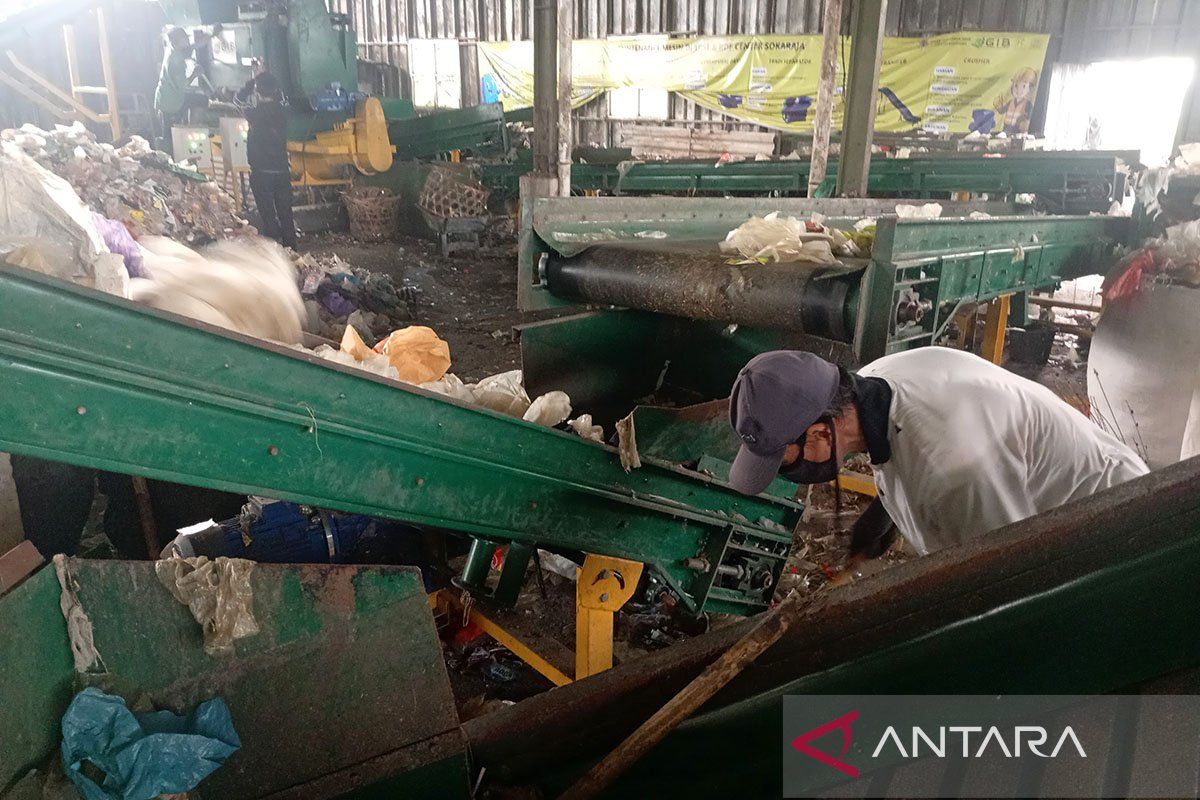
With an adaptive, collaborative, and locally conditioned approach, waste management in Indonesia is expected not only to address environmental issues but also to become a crucial pillar in the transition to clean energy. Purwokerto (ANTARA) - Indonesia’s waste problem can no longer be seen merely as an environmental issue. In recent years, the accumulation of around 35 million tonnes of waste per year has begun to be viewed as a potential source of alternative energy that can contribute to national energy security as well as carbon emission reduction. Amid these needs, two parallel approaches have emerged. At the national level, the government through the Investment Management Agency (BPI) Daya Anagata Nusantara (Danantara) is promoting the construction of large-scale Waste Processing to Electricity (PSEL) facilities. Meanwhile, at the local level, Banyumas Regency in Central Java is developing a community-based management model utilising alternative energy such as refuse-derived fuel (RDF). These two approaches were highlighted in the ISEI Industry Matching forum and focused group discussion (FGD) titled “Waste to Energy Projects for National Energy Security” held at the Main Building of the Bank Indonesia Purwokerto Representative Office, Banyumas Regency, on Tuesday (7/4). Deputy Chairman of the Danantara Supervisory Board, Muliaman Darmansyah Hadad, who attended as the keynote speaker, emphasised that Indonesia’s waste problem has its own complexities compared to advanced countries. He cited European countries that have implemented household waste sorting systems. There, communities are accustomed to separating waste types, making the downstream processing easier. In contrast, in Indonesia, waste is generally still mixed. This condition makes downstream processing more complex and expensive because it requires automatic separation technology. “If not sorted from the start, then at the end, more expensive technology must be used. This makes the efficiency low,” said Muliaman. He also highlighted the issue of waste calorific value. High-value materials like plastics are often taken by the informal sector before reaching processing facilities. As a result, the remaining waste tends to be wet and has low energy value. This condition impacts the effectiveness of waste-based power plants. To produce optimal energy, waste with high moisture content must undergo additional processes like drying, which increases operational costs. In this context, Muliaman emphasised that upstream improvements are the key to the success of developing waste-to-energy (WtE) or waste-based energy. As part of the solution, Danantara is promoting the development of a WtE investment platform involving various parties. In this scheme, Danantara acts as an anchor investor that paves the way for other investors, including those from abroad with waste processing technology.